
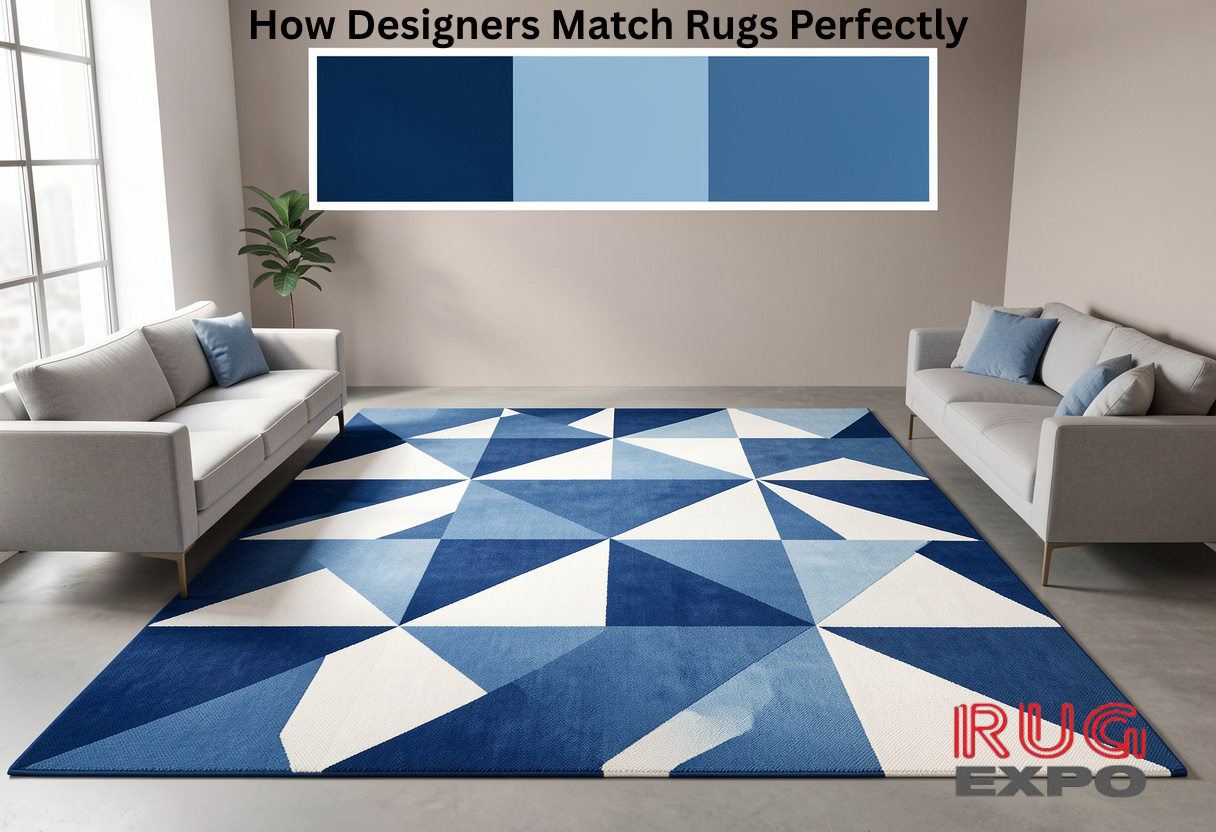
Choosing the perfect rug isn’t just about liking a pattern, it’s about creating a visual harmony between your sofa, curtains, and flooring. When these elements work together, your space feels intentional, elevated, and effortlessly put together. When they don’t? Even high-end furniture can feel oddly “off.”
Whether you’re styling a cozy living room, refreshing a dining space, or furnishing a brand-new home, understanding how to coordinate area rugs, furniture, and floors is one of the easiest ways to upgrade your interior, no designer required.
Let’s break it down the way professionals do: simple, practical, and confidence-boosting.
Your flooring is the largest visual surface in the room, which means it sets the tone for everything else including your rug.
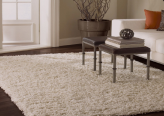
Warm wood tones pair beautifully with neutral, earthy rug color palettes like ivory, beige, taupe, and soft gray. If your floors are dark, lighter living room rugs help balance the space and keep it from feeling heavy.
Cool-toned tile or stone benefits from rugs that add warmth, think muted blues, warm grays, terracotta hues, or subtle patterns that soften the room.
Yes, you can layer rugs over carpet and when done right, it looks intentional, not accidental. Choose flatweave or low-pile area rugs in a contrasting color or texture to avoid bulk
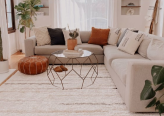
Your sofa is usually the visual anchor of the room. The goal isn’t an exact color match, it’s visual balance.
Beige, gray, white, or taupe sofas are incredibly versatile. This is your chance to play with patterned rugs, subtle color accents, or bold borders pulled from throw pillows or wall art.
Charcoal, navy, or deep brown sofas pair best with lighter living room rugs. Avoid matching dark-on-dark, it flattens the space and hides beautiful details.
If your sofa already makes a statement, let your rug ground the room. Look for designs with soft neutrals and small touches of the sofa’s color woven in.
Curtains should complement your rug and not compete with it.
If your rug has bold patterns, keep curtains solid and neutral.
· If curtains are patterned, choose simpler rug designs.
· Echo one secondary rug color in your curtains for cohesion.
This layering technique keeps the room visually interesting without overwhelming it.
Color choice matters more than most people realize.
Light-colored area rugs make rooms feel larger, brighter, and more open, perfect for smaller spaces or homes with limited natural light.
Dark rugs add depth and coziness, making them ideal for large rooms or open layouts. Bonus: they’re more forgiving in high-traffic areas.
A favorite for busy households. Multi-tonal rugs disguise wear, hide minor spills, and tie multiple décor colors together effortlessly.
Did You Know?
According to a Houzz interior trends survey, over 68% of homeowners prioritize durability and color versatility when choosing rugs for high traffic spaces, making multicolored rugs a smart and stylish choice.
This is where rugs make the biggest visual impact.
One of the most common mistakes? Going too small. Ideally, all front legs of your furniture should sit on the rug to properly anchor the space.
Rectangular rugs suit traditional layouts, while round rugs add personality to modern or compact living rooms.
Plush rugs add comfort. Flatweaves are practical, low-maintenance, and perfect for active households.
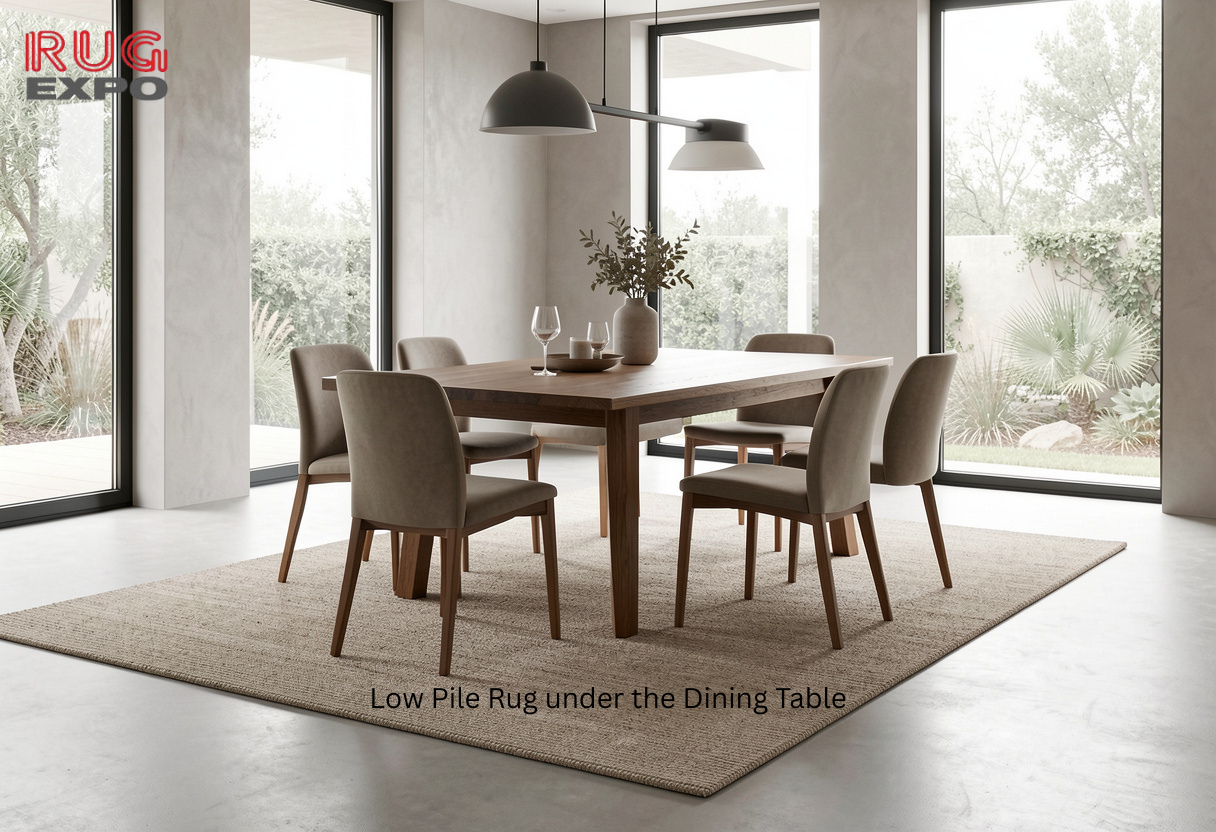
Choosing dining room rugs is about balancing elegance with everyday function.
· Go at least 24 inches larger than the table on all sides
· Choose low-pile or flatweave styles for easy chair movement
· Coordinate tones with dining chairs or table finishes
Pro Tip:
the American Home Furnishings Alliance notes that low-pile rugs last longer under dining furniture due to reduced fiber crushing.
Patterns are powerful when used intentionally.
· Large patterns suit spacious rooms
· Small patterns work best in compact areas
· Geometric designs feel modern
· Medallion or floral patterns feel timeless
Always ensure at least one color from your sofa or curtains appears in the rug to keep everything connected.
Open Floor Plans Use complementary rugs to define zones while keeping a cohesive color palette.
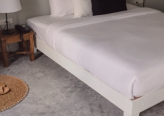
Bedrooms Match rugs to bedding accents not furniture for a softer and layered look.
Hallways & Entryways Runners should echo tones from nearby rooms to maintain visual flow.
· Choosing color without considering size
· Matching everything exactly (it feels dated)
· Ignoring texture and pile height
· Forgetting how lighting changes color perception
Avoid these, and your rug instantly elevates the space instead of overpowering it.
With endless options online, choosing the right rug can feel overwhelming. That’s where working with knowledgeable specialists truly helps. At Rug Expo, experts help you select area rugs, living room rugs, and dining room rugs that align with your furniture, flooring, lifestyle, and long-term needs and not just trends.
The right rug doesn’t just sit on the floor it connects the entire room. When color, texture, and scale work together, your space tells a cohesive, confident story.
And when in doubt? Start with the rug, it often solves more design questions than you’d expect. Explore Rug Expo’s curated rug collection and find the piece that brings your room together, beautifully.
























































Leave a Comment