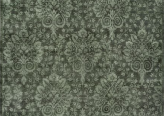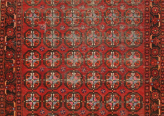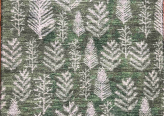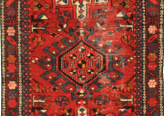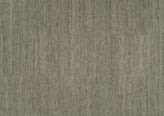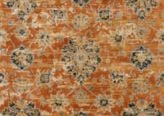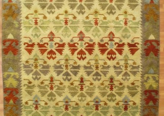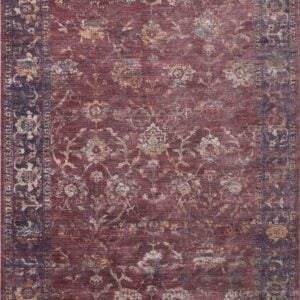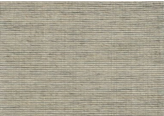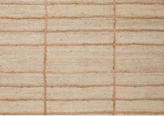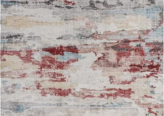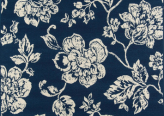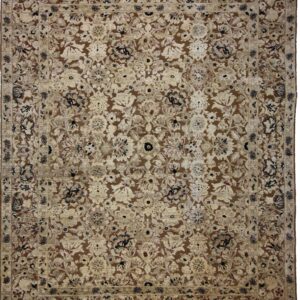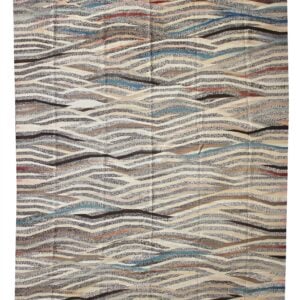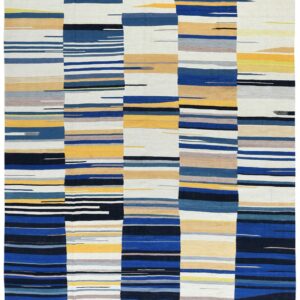
The right dining room rug can define your dining area, add warmth underfoot, and bring your table and chairs together. At Rug Expo, you’ll find dining room rugs in a variety of sizes, colors, patterns, materials, and shapes, making it easier to find an option that suits your space and lifestyle.
Whether you’re furnishing a formal dining room, updating a breakfast nook, or looking for a rug under a dining table in an open-concept space, our collection offers styles for both everyday meals and entertaining.
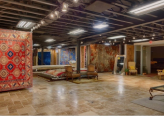
Visit our San Diego showroom to see dining rugs in person and compare sizes, colors, and textures before choosing the right one for your home.
A rug can make a dining area feel more intentional while adding practical benefits to the space. A properly sized dining rug helps visually connect the table and chairs, especially when the dining area shares an open floor plan with the kitchen or living room.
A dining room area rug can:
For busy households, choose a rug that is easy to maintain and allows dining chairs to move smoothly.
Getting the dining room rug size right is one of the most important parts of choosing a rug. A rug that’s too small can make the table feel cramped and leave dining chairs partly on and partly off the rug.
As a general guideline, choose a rug that extends at least 24 inches beyond each side of the dining table. This gives chairs enough room to remain on the rug when they are pulled away from the table.
For larger dining spaces, a larger area rug can better anchor the table and surrounding furniture.
The shape of your dining table can help narrow down your rug choices. Matching or intentionally contrasting the rug shape with your table can create a more balanced arrangement.
Rectangular tables: Rectangular dining area rugs are a natural fit for most standard dining tables and provide enough space for chairs around the table.
Round tables: A round dining rug complements the curved shape of the table and works particularly well in breakfast nooks and smaller dining areas.
Square tables: A square dining rug can create a symmetrical look, while a round rug can soften the straight lines of a square table.
When choosing a shape, prioritize the amount of space needed for the table and chairs rather than matching shapes alone.
A round dining rug is an easy way to complement a round table while adding softness and visual movement to the room. Round rugs are particularly useful in breakfast nooks, apartments, condos, and smaller dining areas where a rectangular rug may feel too structured.
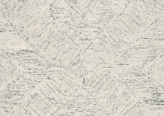
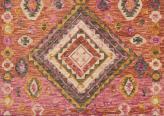
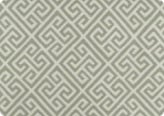
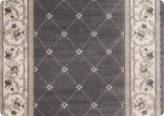
Choose from a variety of colors, patterns, and textures to create anything from a relaxed casual dining space to a more polished look.
The best rug type for a dining room should be practical as well as attractive. Since dining rugs are exposed to food, spills, crumbs, and frequent chair movement, consider options that are relatively easy to clean and don’t interfere with moving chairs.
Low-pile and flatweave rugs are popular choices because their flatter construction makes it easier to pull chairs in and out. Depending on the rug, stain-resistant or easy-care materials may also be useful for busy households.
When comparing rugs, consider the material, pile height, cleaning requirements, and how frequently the dining area is used.
Your dining rug doesn’t have to match every element in the room. Instead, use it to complement your table, chairs, flooring, and surrounding décor.
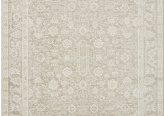
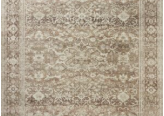
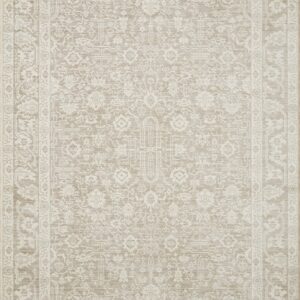
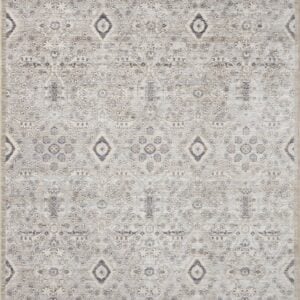
Neutral dining room rugs work well when you want a subtle foundation that won’t compete with statement furniture. Patterned rugs can introduce more personality while helping disguise everyday marks between cleanings.
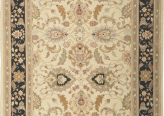
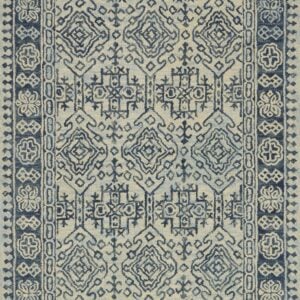
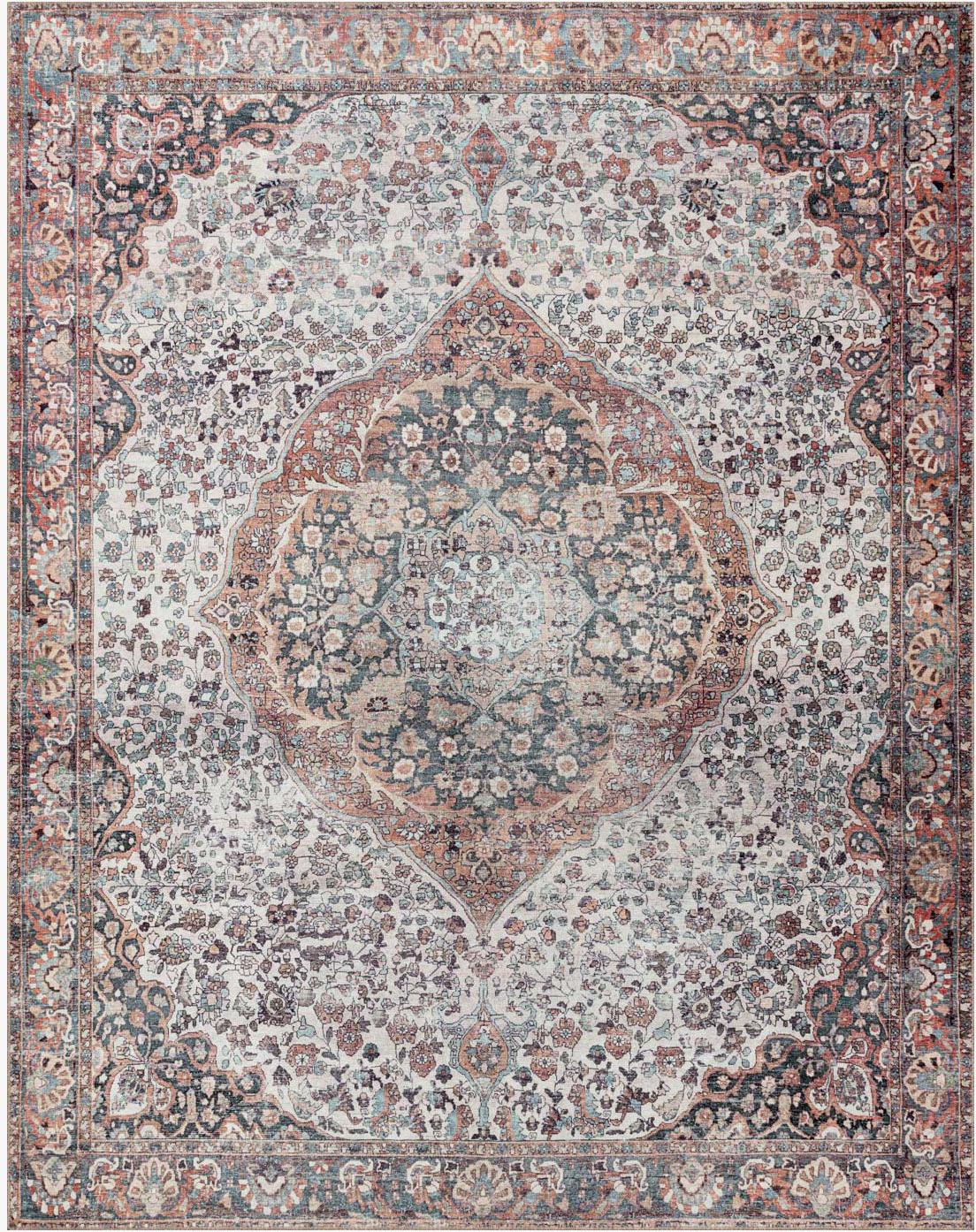
For contemporary interiors, look for clean patterns, understated textures, and modern color combinations. Traditional and transitional designs can bring warmth and character to classic dining spaces.
Once you’ve selected your rug, proper placement helps it look better and work comfortably every day.
If you’re unsure about the right size, measuring your table and the surrounding chair space before shopping can make the decision much easier.
Finding the right dining rug can be difficult when you’re judging colors and sizes from a screen. At Rug Expo in San Diego, you can browse dining area rugs in person and compare different styles, textures, shapes, and sizes.
Whether you need a large rug for a dining room, a round rug for a breakfast nook, or a neutral design for a contemporary home, seeing your options in person can help you choose with greater confidence.
Bring your dining table measurements or a photo of your space when you visit our San Diego showroom, and explore options suited to your room and everyday needs.
Choose a rug that extends at least 24 inches beyond each side of the table. This gives dining chairs enough room to remain on the rug when pulled out.
Yes. A round rug naturally complements a round table and can create a balanced look, particularly in breakfast nooks and smaller dining spaces.
Low-pile and flatweave rugs are practical choices because they generally make it easier to move dining chairs. Easy-care or stain-resistant options can also be useful in busy dining areas.
Yes. The rug should extend beyond the table far enough to accommodate the chairs, including when they are pulled out for seating.
Yes. A square rug can create a symmetrical arrangement under a square table. Make sure it provides sufficient space around the table for comfortable chair movement.
The right dining room rug can define your dining area, add warmth underfoot, and bring your table and chairs together. At Rug Expo, you’ll find dining room rugs in a variety of sizes, colors, patterns, materials, and shapes, making it easier to find an option that suits your space and lifestyle.
Whether you’re furnishing a formal dining room, updating a breakfast nook, or looking for a rug under a dining table in an open-concept space, our collection offers styles for both everyday meals and entertaining.
Visit our San Diego showroom to see dining rugs in person and compare sizes, colors, and textures before choosing the right one for your home.
A rug can make a dining area feel more intentional while adding practical benefits to the space. A properly sized dining rug helps visually connect the table and chairs, especially when the dining area shares an open floor plan with the kitchen or living room.
A dining room area rug can:
For busy households, choose a rug that is easy to maintain and allows dining chairs to move smoothly.
Getting the dining room rug size right is one of the most important parts of choosing a rug. A rug that’s too small can make the table feel cramped and leave dining chairs partly on and partly off the rug.
As a general guideline, choose a rug that extends at least 24 inches beyond each side of the dining table. This gives chairs enough room to remain on the rug when they are pulled away from the table.
For larger dining spaces, a larger area rug can better anchor the table and surrounding furniture.
The shape of your dining table can help narrow down your rug choices. Matching or intentionally contrasting the rug shape with your table can create a more balanced arrangement.
Rectangular tables: Rectangular dining area rugs are a natural fit for most standard dining tables and provide enough space for chairs around the table.
Round tables: A round dining rug complements the curved shape of the table and works particularly well in breakfast nooks and smaller dining areas.
Square tables: A square dining rug can create a symmetrical look, while a round rug can soften the straight lines of a square table.
When choosing a shape, prioritize the amount of space needed for the table and chairs rather than matching shapes alone.
A round dining rug is an easy way to complement a round table while adding softness and visual movement to the room. Round rugs are particularly useful in breakfast nooks, apartments, condos, and smaller dining areas where a rectangular rug may feel too structured.
Choose from a variety of colors, patterns, and textures to create anything from a relaxed casual dining space to a more polished look.
The best rug type for a dining room should be practical as well as attractive. Since dining rugs are exposed to food, spills, crumbs, and frequent chair movement, consider options that are relatively easy to clean and don’t interfere with moving chairs.
Low-pile and flatweave rugs are popular choices because their flatter construction makes it easier to pull chairs in and out. Depending on the rug, stain-resistant or easy-care materials may also be useful for busy households.
When comparing rugs, consider the material, pile height, cleaning requirements, and how frequently the dining area is used.
Your dining rug doesn’t have to match every element in the room. Instead, use it to complement your table, chairs, flooring, and surrounding décor.
Neutral dining room rugs work well when you want a subtle foundation that won’t compete with statement furniture. Patterned rugs can introduce more personality while helping disguise everyday marks between cleanings.
For contemporary interiors, look for clean patterns, understated textures, and modern color combinations. Traditional and transitional designs can bring warmth and character to classic dining spaces.
Once you’ve selected your rug, proper placement helps it look better and work comfortably every day.
If you’re unsure about the right size, measuring your table and the surrounding chair space before shopping can make the decision much easier.
Finding the right dining rug can be difficult when you’re judging colors and sizes from a screen. At Rug Expo in San Diego, you can browse dining area rugs in person and compare different styles, textures, shapes, and sizes.
Whether you need a large rug for a dining room, a round rug for a breakfast nook, or a neutral design for a contemporary home, seeing your options in person can help you choose with greater confidence.
Bring your dining table measurements or a photo of your space when you visit our San Diego showroom, and explore options suited to your room and everyday needs.
Choose a rug that extends at least 24 inches beyond each side of the table. This gives dining chairs enough room to remain on the rug when pulled out.
Yes. A round rug naturally complements a round table and can create a balanced look, particularly in breakfast nooks and smaller dining spaces.
Low-pile and flatweave rugs are practical choices because they generally make it easier to move dining chairs. Easy-care or stain-resistant options can also be useful in busy dining areas.
Yes. The rug should extend beyond the table far enough to accommodate the chairs, including when they are pulled out for seating.
Yes. A square rug can create a symmetrical arrangement under a square table. Make sure it provides sufficient space around the table for comfortable chair movement.