

Some rugs are valued as much for their artistic and historical significance as for their practical use. While many people choose rugs for comfort and interior design, rare antique carpets can also attract collectors because of their craftsmanship, age, origin, and documented history.
In 2013, the Clark Sickle-Leaf Carpet sold at Sotheby’s for $33.765 million, demonstrating how valuable an exceptional carpet can become in the art market. However, most rugs are valued according to their individual materials, construction, condition, design, and current market demand.
In this guide, you’ll learn how to assess the factors that influence a rug’s value, what to look for in an older Persian or Oriental rug, and how to care for and store a valuable rug.
Some buyers choose expensive rugs for their craftsmanship, distinctive designs, quality materials, or historical significance. Rare handmade rugs may also appeal to collectors when their origin and history can be supported by reliable documentation.
However, price alone does not determine quality or resale value. A rug’s condition, construction, materials, rarity, and current demand all influence what buyers may be willing to pay.
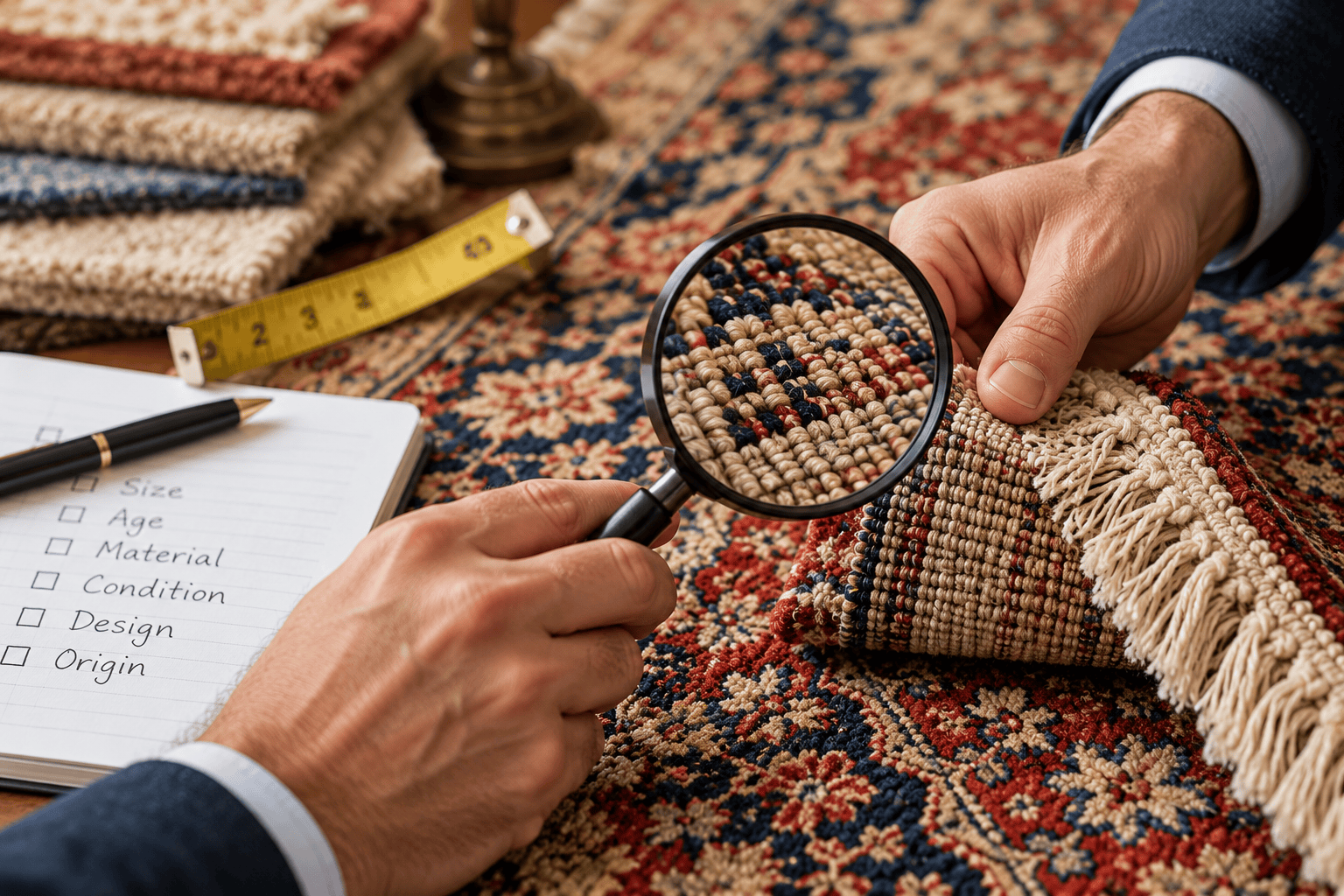
A rug’s value is influenced by several factors, including its size, age, materials, construction, design, condition, origin, and rarity. Current market demand also matters, as similar rugs can sell for different amounts depending on their quality and the market in which they are offered.
If you’re wondering how to tell if a rug is valuable, begin by examining its physical characteristics and condition. These observations can help you understand what you own, although an online search or visual inspection alone cannot establish a reliable appraisal value.
Larger rugs generally require more material and labor, which can affect their original price. However, size alone does not determine value. A smaller, rare handmade rug in excellent condition may be worth more than a larger rug with common design features or substantial wear.
Age can contribute to a rug’s value, particularly when it is genuinely antique, rare, well preserved, and supported by a credible attribution. However, an older rug is not automatically more valuable than a newer one. Its condition, craftsmanship, origin, design, and demand among buyers must also be considered.
Vintage rugs can offer distinctive patterns and character, while antique rugs may attract collectors when their historical significance and authenticity are supported by evidence. If you are trying to establish a rug’s age, avoid relying on appearance alone; construction and other physical characteristics should also be examined.
The materials used in a rug can influence its appearance, texture, construction, and price. Silk may be used in finely detailed rugs because it can produce a smooth texture and a noticeable sheen. Wool is also widely used in handmade rugs, while cotton may be used in foundations and other parts of a rug’s construction.
Material alone does not determine value. Fiber quality, weaving technique, design, condition, and the rug’s overall rarity also matter. When evaluating an older rug, confirm the materials where possible rather than assuming they are silk or wool based on appearance.
A rug’s design can influence its appeal to collectors and buyers. Distinctive motifs, balanced patterns, skilled weaving, and fine details may contribute to its desirability, especially when they are associated with a recognized weaving tradition.
However, a unique-looking design does not automatically make a rug valuable. Its construction, condition, origin, rarity, and demand should be considered alongside its visual appeal.
A rug’s condition can significantly influence its market value. Look for worn or thinning pile, frayed edges, damaged fringe, stains, color changes, moth damage, and previous repairs. Damage does not always make a rug worthless, but its extent and the quality of any restoration may affect what a buyer is willing to pay.
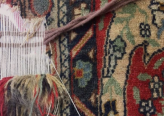
Construction is also important. Hand-knotted, hand-tufted, flatwoven, and machine-made rugs are produced differently, and their value depends on more than appearance alone. Examining the back of the rug may reveal useful details about its weave and construction. If the structure or condition is unclear, seek an assessment from an experienced rug specialist.
A rug’s place of origin and weaving tradition can influence its value. Some regions and workshops are known for particular designs, techniques, or materials. However, a pattern alone does not prove where a rug was made.
Rarity and provenance may also affect desirability. Provenance refers to documented information about a rug’s history, such as previous ownership or records of its purchase. Reliable documentation can support an attribution, but an undocumented story about a rug’s history should not be treated as proof of authenticity or value.
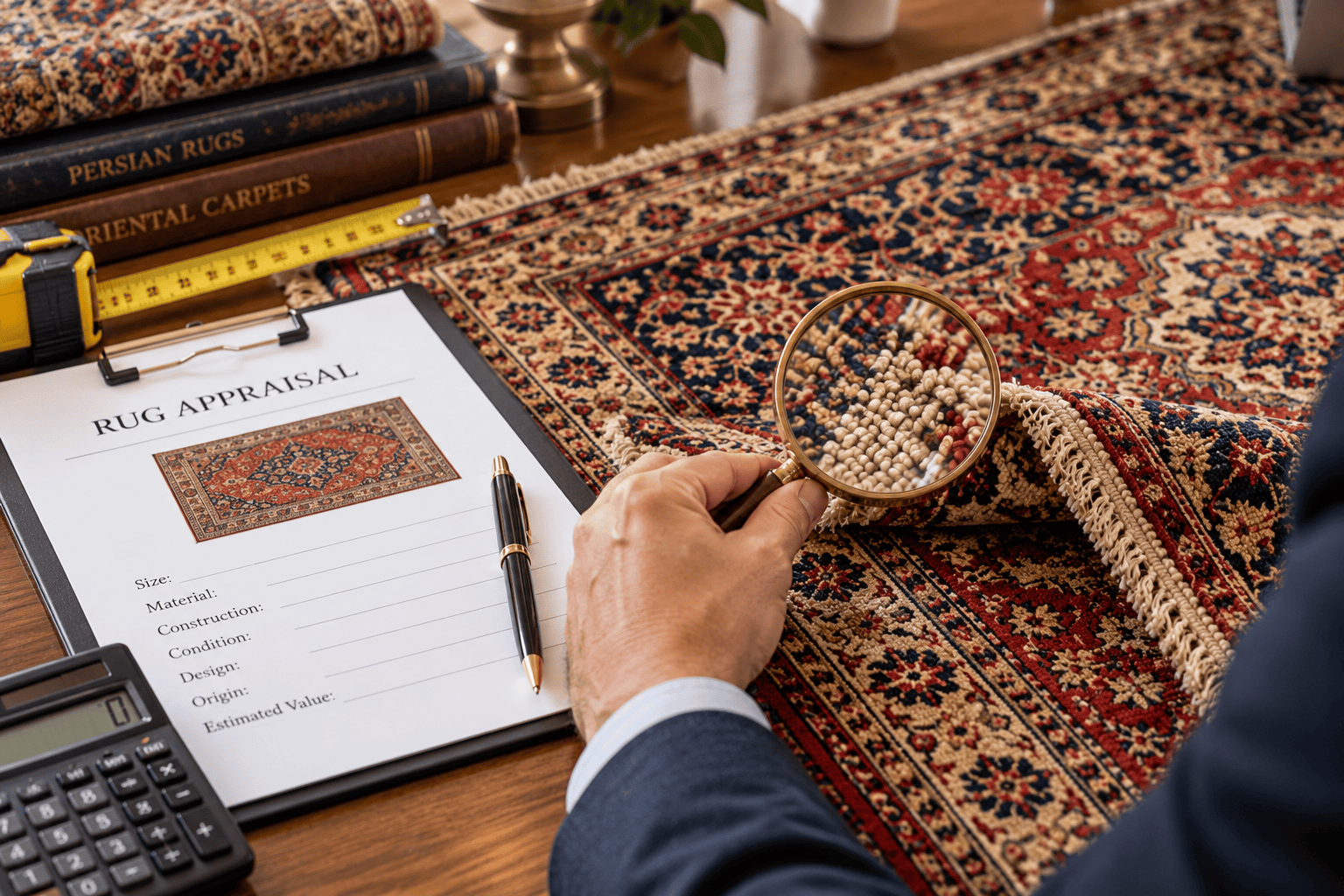
A rug’s value depends on its size, age, materials, construction, condition, origin, rarity, and current market demand. There is no single price that applies to all Persian, Oriental, antique, or handmade rugs.
To begin assessing your rug, measure it, photograph the front and back, identify any labels or documentation, and note visible wear or repairs. You can then compare it with similar rugs, paying attention to material, construction, condition, and documented sales rather than relying only on advertised prices.
For a more reliable estimate, consider a professional rug appraisal. If the rug may be antique, rare, or valuable, an in-person assessment can help establish its characteristics and identify the appropriate basis for valuation.
When assessing an older Persian or Oriental rug, start by examining its construction, materials, design, and condition. Look at the back to understand the weave, inspect the edges and fringe, and note any signs of wear, repairs, or color changes.
Next, consider the rug’s possible origin and age. Traditional motifs can provide clues, but they should not be used as the sole evidence of authenticity. Labels, purchase records, previous appraisals, and other documentation may help support its history.
How much an old Persian rug is worth depends on the individual piece. Two rugs with similar patterns or ages can have very different values because of their craftsmanship, condition, rarity, and market demand. If you suspect that your rug is antique or collectible, a specialist appraisal is more reliable than estimating its value from photographs or online asking prices alone.
A rug’s retail asking price, resale value, and insurance replacement value can differ because each serves a different purpose. A shop’s asking price reflects its offer to sell a rug, while resale value relates to what a seller may reasonably receive in a particular market. Insurance replacement value is intended to estimate the cost of replacing a comparable item under the terms of the valuation.
A professional rug appraisal should identify the rug, describe its condition, explain the purpose of the valuation, and state the basis used to reach the conclusion. A written report may also include photographs, measurements, material and construction observations, and relevant supporting evidence.
If you need a certified rug value report for insurance or another formal purpose, confirm the appraiser’s qualifications, the intended use of the report, and whether the service meets the requirements of the organization requesting it. There is no single standardized valuation figure that applies to every rug or every purpose.
Proper care can help preserve a rug’s appearance and condition over time. Valuable rugs may require extra attention, especially when they are handmade, antique, or constructed from delicate fibers.
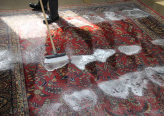
Vacuum regularly using a setting appropriate for the rug’s construction. If a spill occurs, blot it gently with a clean, absorbent cloth rather than rubbing the affected area. Avoid applying household cleaners or excessive moisture without confirming that they are suitable for the rug.
Dyes and fibers can react differently to cleaning products, so an incorrect treatment may cause fading, color bleeding, or other damage. For delicate, antique, or valuable rugs, consult an experienced rug cleaning specialist before attempting more intensive cleaning.
Rug Expo offers professional rug cleaning in San Diego for customers who need help caring for their rugs.
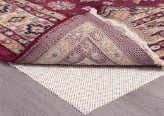
The right storage method depends on the rug’s material, construction, and how long it will be stored. Before putting a rug away, make sure it is clean and completely dry. Storing a damp or soiled rug can encourage mold growth and attract pests.
Avoid placing valuable rugs in garages, basements, or other locations where moisture, pests, chemicals, and temperature fluctuations may cause damage. A clean, dry, climate-controlled space is generally preferable.
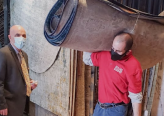
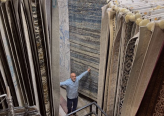
For longer-term storage, a rug is often rolled rather than folded, with the direction and wrapping method chosen according to its construction and condition. Use a suitable breathable protective covering and avoid wrapping a rug in a way that traps moisture. Antique, fragile, or unusually valuable rugs should be assessed by a rug care specialist before storage.
Also Read: How to Store Rug Long Term: Rolling, Wrapping & Climate Control
If you own a handmade, antique, or delicate rug, proper care can help protect its condition. Rug Expo serves customers in San Diego with professional rug cleaning and rug appraisal services.
Whether you need guidance on caring for an older rug or want to explore an appraisal for a particular purpose, visit Rug Expo’s rug appraisal service or learn more about professional rug cleaning.
Rug Expo is located at 7996 Miramar Rd, San Diego, CA 92126. Contact the team to confirm service details and whether an assessment is appropriate for your rug.
Look at its construction, materials, condition, age, design, origin, and rarity. Documentation and comparable sales can also help. A specialist appraisal may be needed to confirm its characteristics and estimate its value.
The value depends on the individual rug and the market in which it is being sold or appraised. Size, condition, materials, craftsmanship, age, origin, and demand all contribute. A description or photograph alone is not enough to establish a reliable value.
Examine the rug’s construction, materials, condition, design, and possible origin. Check for documentation and compare it with genuinely similar rugs. For an antique or potentially collectible Persian rug, consider a specialist appraisal.
Look for quality construction, distinctive design, condition, rarity, and evidence supporting its origin and age. No single feature, including knot density or age, proves that a rug is valuable.
Condition, construction, materials, origin, age, rarity, design, and current demand can all affect value. Their relative importance varies by rug type and the market being considered.
It is a written valuation report issued under the applicable credentials and requirements of the person or organization providing it. Before requesting one, confirm the appraiser’s qualifications, the report’s intended purpose, and whether it meets the requirements of your insurer or other recipient.
No. Age alone does not determine value. Condition, craftsmanship, authenticity, rarity, documented history, and demand must also be considered.
Professional cleaning can help maintain a rug’s condition when the correct methods are used. However, cleaning does not automatically increase its monetary value, and unsuitable treatment can cause damage. Delicate or antique rugs should be assessed before cleaning.












Leave a Comment