
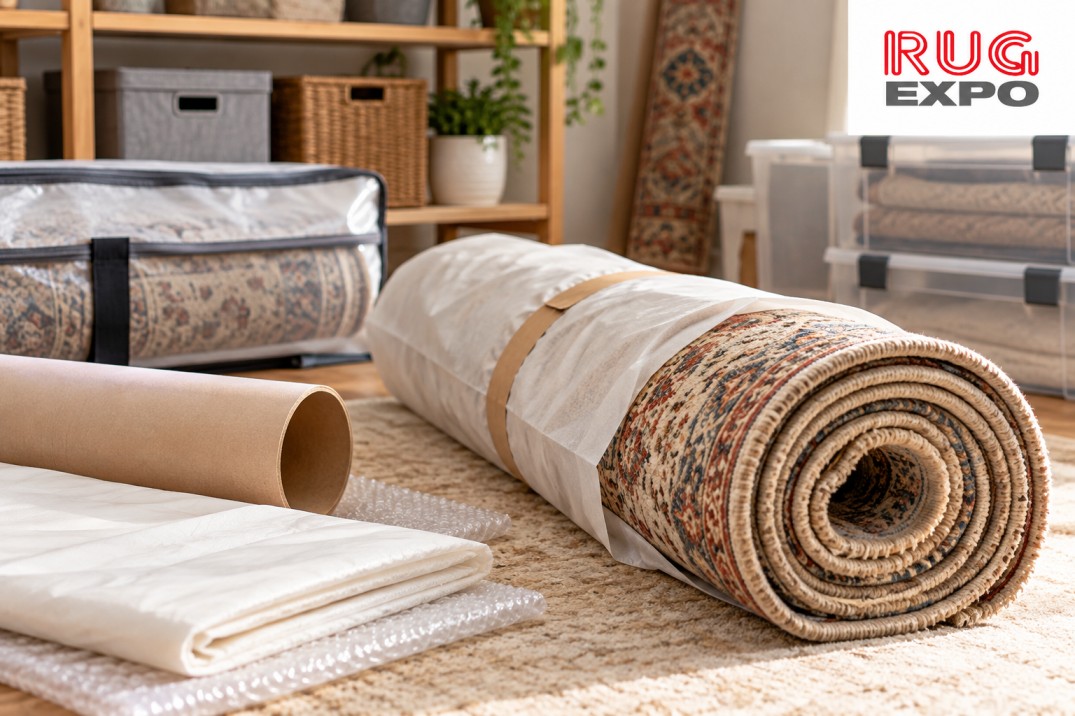
Knowing how to store rugs properly can help protect them from moisture, dust, pests, odors, and permanent creases. Whether you’re storing an area rug between seasons, during a move, or for an extended period, the right preparation and storage environment can make a significant difference.
The basic rule for long-term rug storage is simple: clean and completely dry the rug, roll it correctly, use breathable protective materials, and keep it in a cool, dry, stable environment.
Before putting a rug into storage, remove dirt, dust, pet hair, and other debris. Vacuum both sides of the rug carefully and address stains before storing it.
Cleaning is especially important for long-term storage because food particles and accumulated dirt can attract insects and contribute to unpleasant odors.
Most importantly, make sure the rug is completely dry before rolling or wrapping it. Even small amounts of trapped moisture can encourage mold and mildew.
For long-term area rug storage, rolling is generally better than folding.
Folding a rug for an extended period can create sharp creases and put stress on the fibers and backing. Rolling distributes pressure more evenly and reduces the possibility of permanent fold marks.
This is particularly important for wool, Persian, Oriental, handmade, and other delicate rugs.
Knowing how to roll a rug correctly can help protect its fibers.
As a general guideline, roll the rug with the pile facing inward. Roll slowly and evenly while keeping the edges aligned. Avoid making the roll excessively tight, as compression can put unnecessary pressure on the rug.
For antique, handmade, or valuable rugs, the appropriate rolling method can vary depending on the rug’s construction and condition.
A clean, sturdy rug tube or cylindrical core can provide additional support during storage.
The tube helps the rug maintain a consistent shape and reduces uneven pressure. Make sure the core is clean, dry, and large enough for the rug.
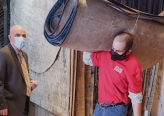
When handling a large rug, having two people roll it can make it easier to create an even roll without bending or dragging the rug.
Choosing appropriate protective material is an important part of rug storage tips.
The covering should protect the rug from dust and debris without unnecessarily trapping moisture. Breathable protective materials are generally preferable for long-term storage.
A rug storage bag can be useful if it is specifically designed for rug protection and provides suitable ventilation. Always ensure that the rug is completely dry before placing it inside a storage bag.
Plastic may seem like an easy way to protect a rug, but completely sealing a rug in plastic for an extended period can create problems.
If moisture becomes trapped inside, the enclosed environment can encourage mold and mildew. Temperature changes can also cause condensation.
For long-term storage, avoid creating an airtight environment around a rug unless the material and storage system are specifically designed for that purpose.
Temperature and humidity are important factors in rug care.
Rugs should ideally be stored in a clean, dry environment with relatively stable conditions. Excessive humidity can increase the risk of mold and mildew, while major temperature fluctuations can affect some natural fibers and materials.
Rather than focusing only on a specific temperature, prioritize a stable environment away from excessive heat, moisture, and direct sunlight.
Climate-controlled storage can provide a more stable environment than areas exposed to major temperature and humidity fluctuations.
It can be particularly useful for valuable, delicate, or long-term stored rugs. However, climate control does not replace proper preparation.
The rug should still be clean and completely dry, properly rolled, protected, and kept away from potential sources of moisture and pests.
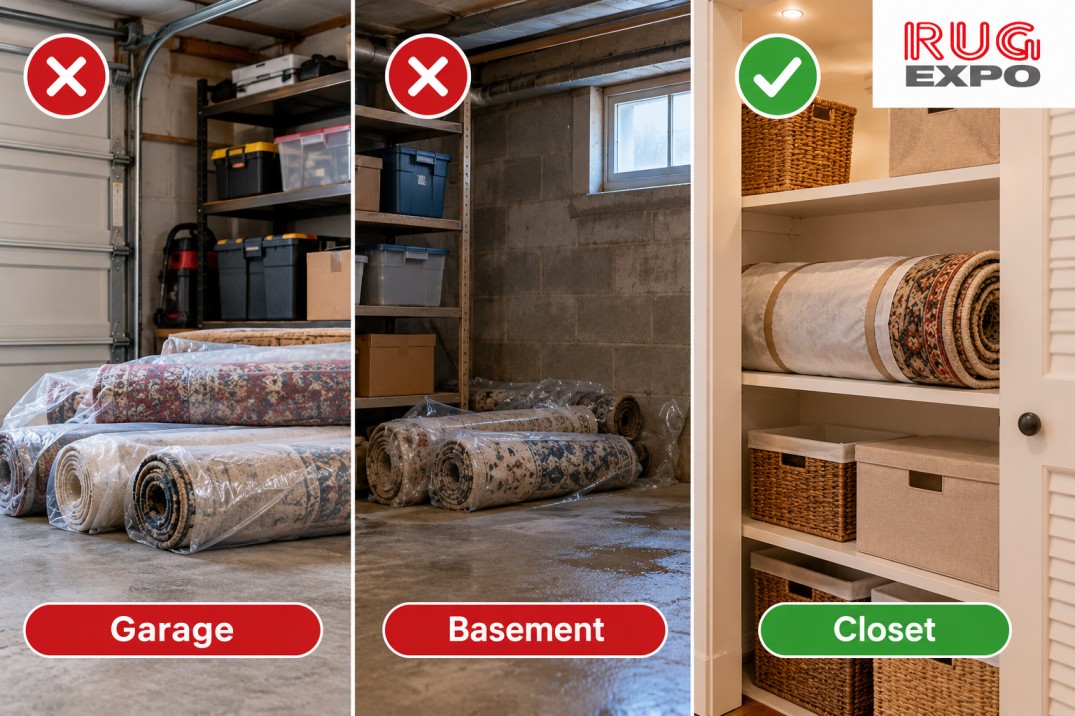
The location you choose can significantly affect how well a rug survives long-term storage.
Garage: Garages may experience temperature fluctuations and exposure to dust, pests, fumes, and moisture. They are generally not ideal for valuable rugs unless the environment is clean and controlled.
Basement: Basements can have higher humidity and may be vulnerable to water leaks or flooding. Avoid storing rugs in damp basements.
Closet: A clean, dry indoor closet can work for shorter-term household storage if there is enough space and the rug is protected from crushing or moisture.
Wherever you store it, keep the rug off the floor and away from water, heating equipment, and direct sunlight.
Mold and mildew are among the biggest concerns when storing rugs.
To reduce the risk:
If you notice a musty smell, visible mold, or moisture damage, address the issue promptly rather than leaving the rug in storage.
Natural-fiber rugs, particularly wool rugs, can be vulnerable to certain textile pests.
Before storage, remove dirt and debris that could attract insects. Keep the storage area clean and periodically check for signs of pest activity.
Avoid applying insecticides or moth treatments directly to a rug unless they are specifically appropriate for that material.
Good rug care includes protecting both the rug and its surrounding storage environment.
Different rug materials may require different storage considerations.
Wool rugs: Keep them clean and dry, and pay particular attention to pest prevention.
Persian rugs: Avoid sharp folds and excessive compression. Handmade construction requires careful handling during rolling and storage.
Oriental rugs: Storage requirements can vary depending on the fiber and construction. Identify the rug’s material before choosing a storage method.
Antique, highly valuable, or particularly delicate rugs may benefit from professional assessment before long-term storage.
Also Read: Everything About How to Store Wool Area Rugs
Long-term storage does not mean the rug should be forgotten.
Periodically inspect the rug and its surroundings for:
Regular checks can help identify problems before they cause significant damage.
When removing a rug from long-term storage, handle it carefully and avoid immediately forcing it completely flat.
Unroll it on a clean surface and allow it to gradually adjust to room conditions. Temporary curling or waves may relax naturally after the rug has been unrolled.
Avoid using excessive heat or aggressive stretching to remove wrinkles. If the rug has persistent creases, mold, unusual odors, or other signs of damage, consider having it assessed before attempting additional treatment.
Clean and completely dry the rug, roll it instead of folding it, protect it with suitable wrapping, and keep it in a clean, dry, stable environment.
Rolling is generally preferable for long-term area rug storage because folding can create permanent creases and stress the rug’s fibers.
Plastic can protect against dust, but completely sealing a rug in plastic may trap moisture. For long-term storage, choose protective materials that are appropriate for the rug and storage environment.
Periodically check the rug and its storage environment for moisture, mold, pests, odors, or damaged wrapping. The appropriate frequency depends on the storage conditions and how long the rug will remain stored.






















































Leave a Comment