
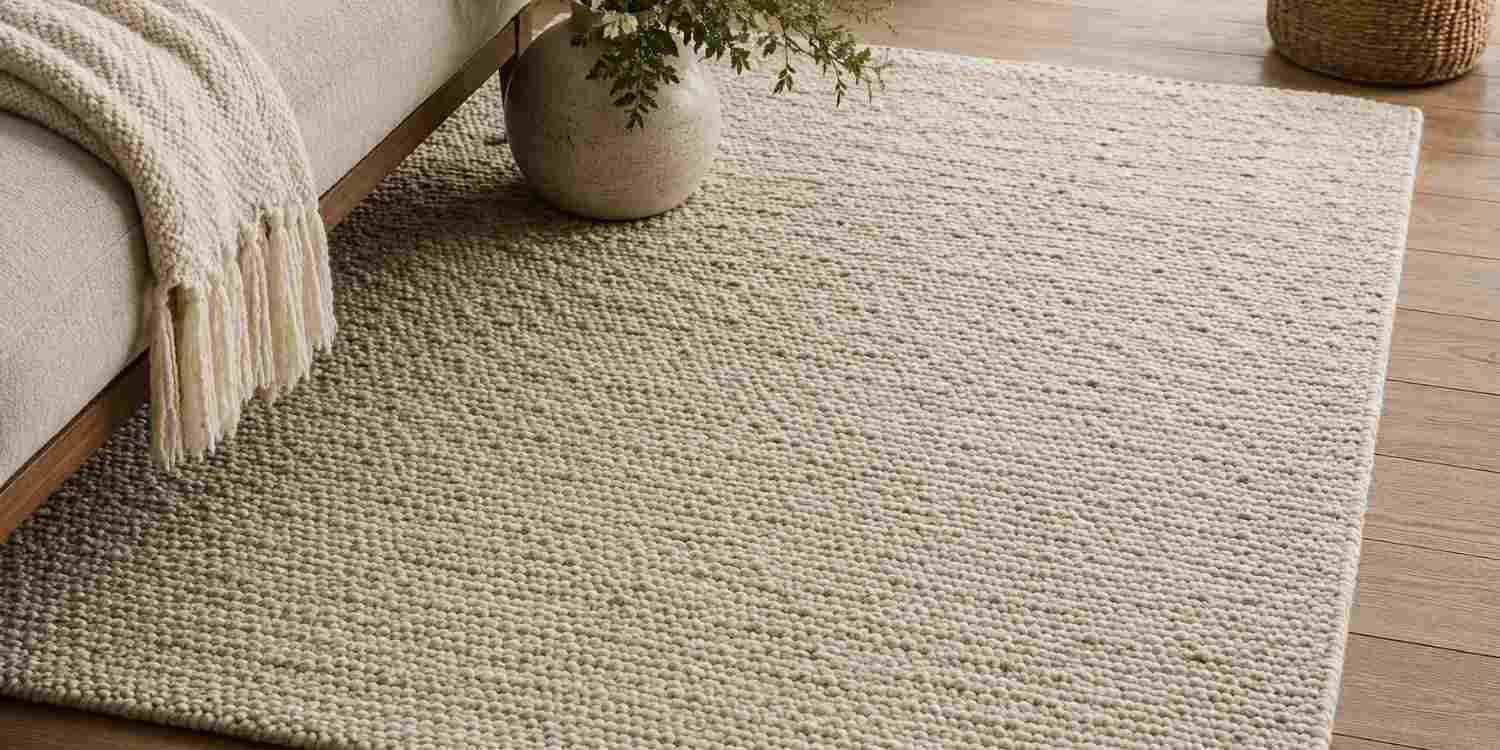
Keeping your area rugs clean is important for maintaining a comfortable and welcoming home. Daily foot traffic, dust, food spills, and pet hair can gradually affect their appearance. Without regular care, dirt can settle into the fibers and become harder to remove.
Learning how to clean area rugs starts with simple habits. Regular vacuuming, quick spill management, and preventive care can help maintain their appearance between professional cleanings.
Different rugs require different levels of attention. Material, construction, age, and dye stability all influence which cleaning methods are suitable. Here are 10 practical rug cleaning tips to help keep your area rugs looking fresh and well-maintained.
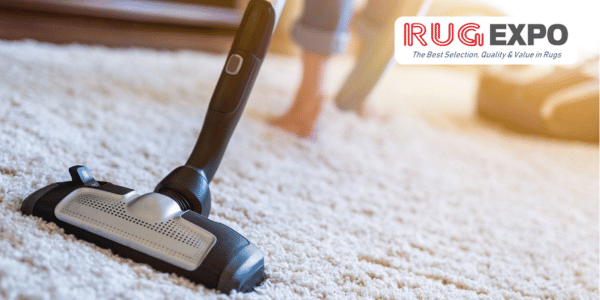
Vacuuming is one of the simplest ways to maintain an area rug. It removes loose dirt, dust, and debris before they settle deeper into the fibers.
Pay extra attention to entryways, living rooms, hallways, and other high-traffic spaces. These areas generally collect dirt faster than less frequently used rooms.
Choose a vacuum setting suitable for your rug. Delicate, antique, high-pile, and handwoven rugs may require suction-only cleaning or a brushless attachment. Avoid aggressive beater bars on rugs that could be damaged by rotating brushes.
Food and beverage spills are easier to manage when addressed promptly. Leaving a spill unattended can allow it to penetrate the fibers and become more difficult to remove.
For a fresh spill, gently blot the area with a clean, absorbent, light-colored cloth. Avoid rubbing or scrubbing, as friction can spread the spill and affect the rug’s fibers.
Cleaning products should be selected according to the rug’s material and dyes. If you are unsure about the appropriate treatment, avoid experimenting with household solutions.
Shoes can bring dirt, sand, moisture, and small debris into your home. Placing doormats at entrances helps capture some of these particles before they reach your area rugs.
For better protection, consider using an outdoor mat to remove loose dirt and an indoor mat to catch remaining moisture and debris.
Clean your doormats regularly. A dirty entry mat can become less effective at trapping particles and may transfer dirt back onto the floor.
Repeated foot traffic and sunlight can affect certain parts of a rug more than others. One area may become flatter, more faded, or more worn over time.
Rotating your rug periodically helps distribute everyday use across different sections. A rotation every few months can be a useful starting point, although the ideal frequency depends on room layout, sunlight exposure, and foot traffic.
Before rotating, check the furniture placement and rug pad to make sure the rug remains properly positioned.
Not every rug can be cleaned with the same product. Wool, silk, cotton, synthetic fibers, and handmade rugs can respond differently to cleaning chemicals and moisture.
Before using a cleaning product, check the manufacturer’s care instructions and confirm that the product is suitable for your rug.
Avoid using strong chemicals, bleaching agents, or untested household mixtures. Even products marketed for general carpet cleaning may not be appropriate for every area rug.
When the material or dye stability is uncertain, professional guidance is the safer option.
Pet hair can become trapped in rug fibers, particularly in high-pile and textured rugs. Regular vacuuming with a suitable pet-hair attachment can help manage loose fur.
Pet accidents require additional attention. Moisture and residue can remain inside the rug even when the surface appears clean.
Avoid masking persistent odors with fragrances or applying large amounts of cleaning solution. If an odor remains after basic care, professional treatment may be needed.
Using too much water is a common rug-care mistake. Moisture can reach the backing and remain trapped inside thicker rugs, especially when airflow is limited.
Prolonged dampness can contribute to unpleasant odors and moisture-related damage. It may also affect certain dyes, adhesives, and rug backings.
When caring for your rug, avoid soaking it or leaving wet areas untreated. If a large spill occurs or moisture reaches the backing, seek suitable cleaning advice rather than attempting an aggressive home wash.
Entryways, hallways, dining areas, and living rooms often experience repeated foot traffic. Over time, this can lead to uneven wear and visible traffic paths.
Consider using runners in narrow walkways and suitable rug pads underneath area rugs. A properly selected rug pad can help reduce slipping and friction while providing additional cushioning.
You can also rearrange furniture occasionally to prevent the same sections of a rug from experiencing constant pressure.
There is no single cleaning schedule that works for every rug. A rug in a busy family room may need more frequent attention than one in a rarely used guest room.
Consider these factors when planning maintenance:
Regular vacuuming and prompt spill management should form the foundation of your routine. Deeper cleaning should be based on the rug’s condition and specific care requirements rather than a fixed calendar rule.
Also Read: How to Clean a Shag Rug Without Flattening the Pile
Routine home care is important, but it cannot address every cleaning problem. Embedded dirt, persistent odors, stubborn stains, and delicate construction may require professional attention.
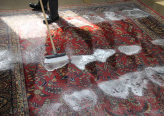
Hand-knotted, antique, Persian, Oriental, wool, and silk rugs can have specific cleaning requirements. An unsuitable cleaning product or method may affect their fibers, dyes, or construction.
Professional rug cleaners can inspect the material, condition, and construction before selecting an appropriate cleaning process.
If your rug looks dull despite regular maintenance or has stains and odors that do not improve, consider arranging a professional inspection.
Also Read: What Happens During a Professional Area Rug Cleaning?
Even with good intentions, certain cleaning habits can affect a rug’s appearance and condition. Avoid these common mistakes:
A gentle, consistent maintenance routine is generally better than frequent aggressive cleaning.
The ideal cleaning frequency depends on how the rug is used, its material, and the amount of dirt it collects.
For many households, regular vacuuming and prompt spill management are sufficient for everyday maintenance. High-traffic rugs, homes with pets, and busy family spaces may require more frequent attention.
Professional cleaning should be considered when dirt becomes embedded, odors persist, or the rug needs more than routine surface care. Delicate and valuable rugs should be assessed individually.
If regular maintenance is no longer enough to keep your rug looking fresh, professional cleaning may help address accumulated dirt and other cleaning concerns.
At Rug Expo, we provide area rug cleaning services in San Diego. Our team works with different rug types and considers their materials, construction, and condition when determining suitable cleaning methods.
Whether you have a traditional area rug, a handwoven piece, or a delicate specialty rug, proper inspection and appropriate care are important.
Visit Rug Expo: 7996 Miramar Rd, San Diego, CA 92126.
Start with regular vacuuming to remove loose dirt and debris. Address fresh spills promptly by blotting with a clean cloth. Always check the rug’s care instructions before applying a cleaning product, as different materials require different methods.
Vacuuming frequency depends on foot traffic, pets, and household activity. High-traffic areas generally need more frequent vacuuming than rugs in less-used rooms. Delicate rugs may require gentler vacuum settings.
The safest approach depends on the rug’s material, construction, and dye stability. Regular vacuuming and careful spill management are useful maintenance habits. For delicate, antique, or valuable rugs, consult a professional before attempting deeper cleaning.
Not every carpet cleaner is suitable for area rugs. Some products may affect delicate fibers, dyes, or backing materials. Check the manufacturer’s instructions and product suitability before use.
Consider professional cleaning when your rug has embedded dirt, persistent odors, stubborn stains, or visible soil that regular maintenance cannot address. Delicate and handwoven rugs may also benefit from professional assessment.
Regular maintenance can help reduce the buildup of abrasive dirt and manage everyday wear. Appropriate vacuuming, spill care, rotation, and suitable cleaning methods can help preserve a rug’s appearance and condition.



























































Leave a Comment