

Persian rugs are primarily woven using hand-knotting techniques, with the Persian (Senneh) knot being the most common. Other weaving methods include the Turkish (Ghiordes) knot, flatweave (Kilim), Soumak weave, and hand-tufted construction. Each weaving style differs in durability, texture, detail, and price, making certain types better suited for luxury heirloom rugs while others are ideal for everyday living.
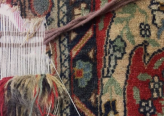
A Persian rug weave refers to the technique used to construct the rug by interlacing foundation threads and tying individual knots. The weaving method determines the rug’s durability, flexibility, texture, pattern detail, and overall value. Authentic Persian rugs are renowned for their meticulous hand-knotting techniques, which require exceptional skill and can take months or even years to complete.
The weave affects more than just the rug’s appearance. It influences longevity, comfort, knot density, and the level of detail that can be achieved in the design.
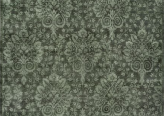
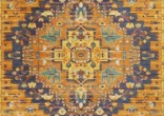
The Persian or Senneh knot is an asymmetrical knot traditionally used throughout Iran. It allows artisans to create highly detailed floral patterns, intricate medallions, and complex borders with exceptional precision.
Best For
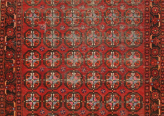
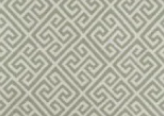
Although traditionally associated with Turkish rugs, the symmetrical Ghiordes knot is also found in some Persian weaving regions. It creates a dense, durable structure that performs exceptionally well in high-traffic areas.
Best For
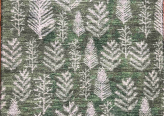
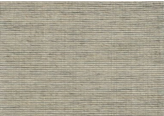
Flatweave Persian rugs are woven without pile, resulting in a lightweight, reversible rug with a smooth surface. Kilim rugs are popular for casual spaces and layered interior designs.
Best For
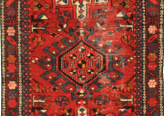
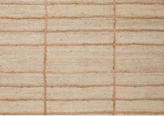
Soumak weaving creates a textured, decorative surface using wrapped weft threads rather than traditional pile knots. These rugs are slightly thicker than flatweaves and feature rich geometric designs.
Best For
Hand-tufted rugs replicate the appearance of traditional Persian rugs using a tufting tool rather than individually tied knots. They provide an affordable alternative while maintaining many classic Persian design elements.
Best For
Read our blog –Where Can I Find Reputable Persian Rug Cleaning Services? Expert Guide
| Weave Type | Construction | Durability | Detail | Best For |
| Persian (Senneh) Knot | Hand Knotted | Excellent | Excellent | Luxury & Collectors |
| Turkish (Ghiordes) Knot | Hand Knotted | Excellent | Excellent | High-Traffic Homes |
| Flatweave (Kilim) | Woven | Very good | Moderate | Casual Spaces |
| Soumak | Wrapped Weave | Very good | High | Decorative Rooms |
| Hand-Tufted | Tufted | Good | Good | Everyday Homes |
| Feature | Persian Knot | Turkish Knot |
| Knot Type | Asymmetrical | Symmetrical |
| Detail | Very Fine | Fine |
| Flexibility | Higher | Moderate |
| Common Designs | Floral & Curved Patterns | Geometric Patterns |
| Typical Origin | Iran | Turkey & Some Persian Regions |
| Feature | Hand Knotted | Hand Tufted | Machine-Made |
| Handmade | Yes | Yes | No |
| Individual Knots | Yes | No | No |
| Lifespan | 50–100+ Years | 10–20 Years | 5–15 Years |
| Investment Value | High | Moderate | Low |
| Repairability | Excellent | Limited | Limited |
Read our blog Where Can I Find Reputable Persian Rug Cleaning Services? Expert Guide
The most common wool rug material, prized for its durability, softness, and natural resilience.
Creates exceptionally fine details and a luxurious sheen, making it ideal for decorative heirloom silk rugs.
Combines the strength of wool with the elegance of silk, offering both durability and intricate craftsmanship.
Used as the rug’s structural base, cotton provides stability and flexibility for hand-knotted Persian rugs.
| Room | Recommended Weave |
| Living Room | Persian Knot |
| Dining Room | Turkish Knot |
| Bedroom | Persian Knot |
| Entryway | Flatweave Kilim |
| Hallway | Turkish Knot |
| Decorative Spaces | Soumak |
When evaluating a Persian rug, look for these characteristics:
Proper care helps preserve the beauty and craftsmanship of Persian rugs regardless of their weave.
The weaving technique is one of the most important factors influencing a Persian rug’s quality, durability, and value. While the Persian (Senneh) knot is renowned for producing intricate, collectible rugs, other weaving styles such as Turkish knots, Kilims, and Soumak each offer unique characteristics suited to different lifestyles and design preferences.
At Rug Expo, you’ll find an exceptional collection of authentic Persian rugs featuring a variety of traditional weaving techniques. Whether you’re searching for a handcrafted heirloom or a Persian-inspired design for everyday living, our experts can help you choose the perfect rug.
Rug Expo offers:
We also provide:
The Persian (Senneh) knot is the most widely used weaving technique in authentic Persian rugs because it allows for intricate patterns and high knot density.
The Persian knot is asymmetrical and ideal for detailed floral designs, while the Turkish knot is symmetrical and known for its durability and geometric patterns.
Most authentic Persian rugs are hand knotted, although Persian-inspired rugs may also be hand tufted or machine made.
Both Persian and Turkish hand-knotted weaves are exceptionally durable and can last for generations with proper care.
Inspect the back of the rug for individual knots, check the integrated fringe, verify the use of natural materials, and purchase from a reputable dealer.
Yes. Rug Expo offers authentic Persian rugs in a variety of weaves, sizes, and styles, along with professional cleaning, repair, restoration, appraisal, and expert rug selection services.
Understanding the different types of Persian rug weaves helps you choose a rug that matches your lifestyle, design preferences, and long-term investment goals. From the intricate Persian (Senneh) knot to the durable Turkish knot, lightweight Kilim, and decorative Soumak weave, each technique offers unique advantages. Whether you’re looking for an authentic handcrafted Persian rug or professional cleaning and restoration services, Rug Expo provides expert guidance and one of the largest selections of Persian rugs in San Diego County.

































Leave a Comment