
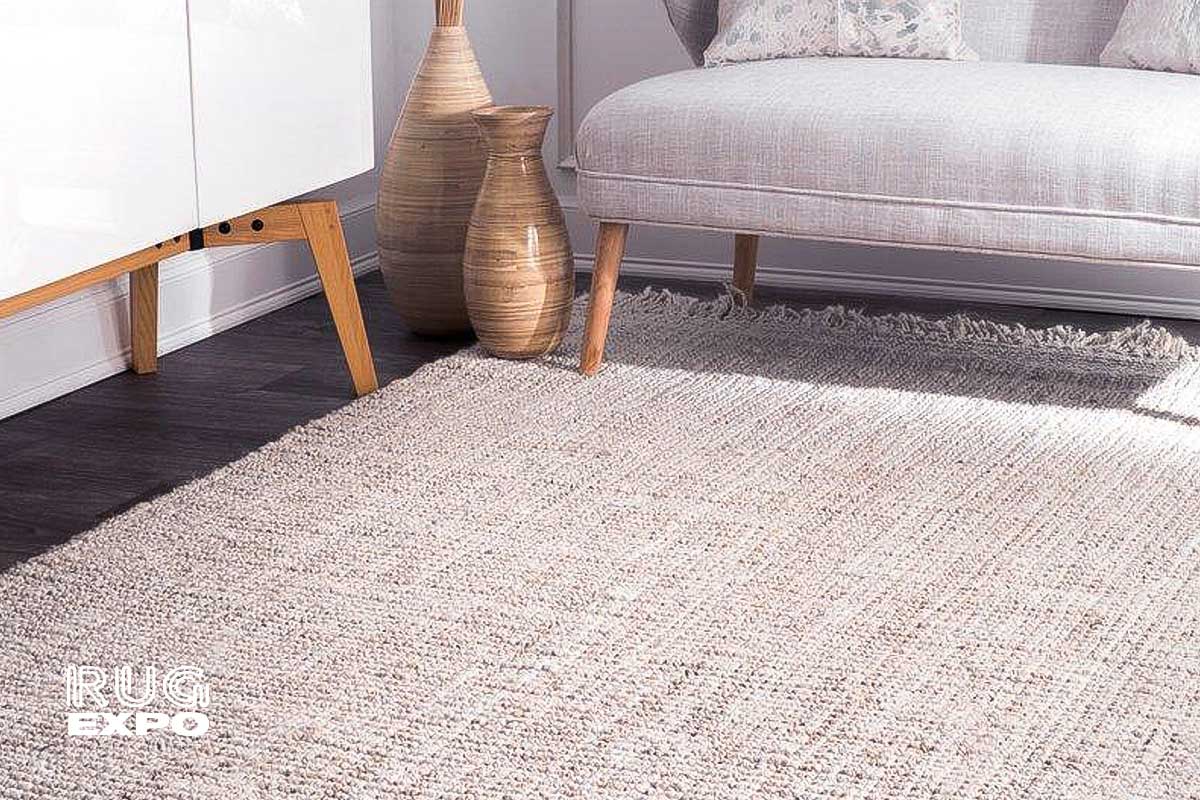
Natural fiber rugs are floor coverings made from plant-based materials such as jute, sisal, seagrass, hemp, and coir. They are popular because they are eco-friendly, durable, biodegradable, and bring natural texture into a home. Among the most common options, jute rugs are softer and better suited for bedrooms and living rooms, while sisal rugs are stronger and ideal for high-traffic areas such as hallways, entryways, and dining rooms.
The best natural fiber rug depends on your lifestyle and room usage. Jute offers comfort and warmth, sisal provides durability, seagrass resists stains, and hemp delivers a balance of strength and sustainability. These rugs work well in modern, coastal, farmhouse, Scandinavian, rustic, and minimalist interiors.
| Material | Softness | Durability | Best For |
| Jute | High | Moderate | Bedrooms, Living Rooms |
| Sisal | Low-Medium | Very High | Hallways, Entryways, Dining Rooms |
| Seagrass | Medium | High | Kitchens, Family Rooms |
| Hemp | Medium | High | Living Rooms, Offices |
| Coir | Low | High | Entryways, Door Mats |
For softness and comfort, choose a jute rug. For durability and heavy foot traffic, choose a sisal rug. If moisture resistance is important, seagrass is often the better option. Homeowners seeking a sustainable, natural look frequently use a combination of these materials throughout different rooms.
In this guide, you’ll learn the differences between jute, sisal, seagrass, hemp, and coir rugs, their pros and cons, maintenance requirements, room-by-room recommendations, and expert tips for choosing the right natural fiber rug for your home.
There’s something naturally comforting about having texture under your feet and that’s what Natural Fiber Rugs are all about. If you’re moving away from synthetic materials and want a style that feels real and earthy, you’re in the right place. This guide covers everything: from popular choices like Jute Rugs and Sisal Rugs to lesser-known options, care tips, decorating ideas, and where these rugs work best.
You’ll find easy advice, real benefits, honest pros and cons, and the best ways to use Natural Fiber Rugs in your space. Let’s walk through everything in a relaxed, clear way — no complicated terms, no pressure.
And if you’re just starting to explore natural rugs, don’t worry, we’ll break it all down. We’ll talk about which materials are best for different rooms, how to clean them without damaging anything, and how to find great ones without spending a fortune. You’ll finish this guide with a good feel for what makes Natural Fiber Rugs so special and how to make them work in your home.
Natural Fiber Rugs are made from plant-based materials like jute, sisal, seagrass, and hemp. More people are choosing them today because they look simple, feel authentic, and are better for the environment. They don’t come from factories full of chemicals, they come from plants, which already makes them a better choice for many.
These rugs are becoming more common in homes, not just for looks but for their natural charm. They fit with almost any style, cozy, modern, rustic, or even boho. People are starting to appreciate the way natural textures make a space feel calm and grounded.
They’re also a conversation starter. There’s something satisfying about knowing the materials under your feet are grown, not manufactured. Whether it’s the handwoven appeal or the way they make a room feel a little more lived-in, the charm of Natural Fiber Rugs is real and lasting.
The biggest win with Natural Fiber Rugs is that they’re made from real, breathable materials. They don’t trap weird odors or release chemicals, so they’re good for people who are sensitive to those things. They also look great without trying too hard.
Some fibers, like those in Sisal Rugs, are very strong and perfect for busy rooms. Others, like jute, are softer and better for quiet, relaxed spots. These rugs are usually budget-friendly too, and they can be layered or styled in many ways.
And even if you decide to change your style later, you’ll find natural rugs fit in with whatever you do next. They’re flexible, both in terms of design and use. Plus, you can count on them to add a natural vibe wherever they go.
If you’re looking to make your home more eco-friendly, Natural Rug Materials are a great place to start. Jute and sisal grow fast, use less water, and are fully renewable. When you’re done with the rug years later, it won’t sit in a landfill forever, most of these rugs will break down naturally.
That’s a big deal compared to synthetic rugs, which can take decades to decompose. Choosing Natural Fiber Rugs is a small step that makes a real difference for the planet.
Even the process of making these rugs is generally cleaner. There’s less need for chemical dyes or treatments, which helps reduce indoor pollution in your home. It’s one more reason to feel good about this choice.
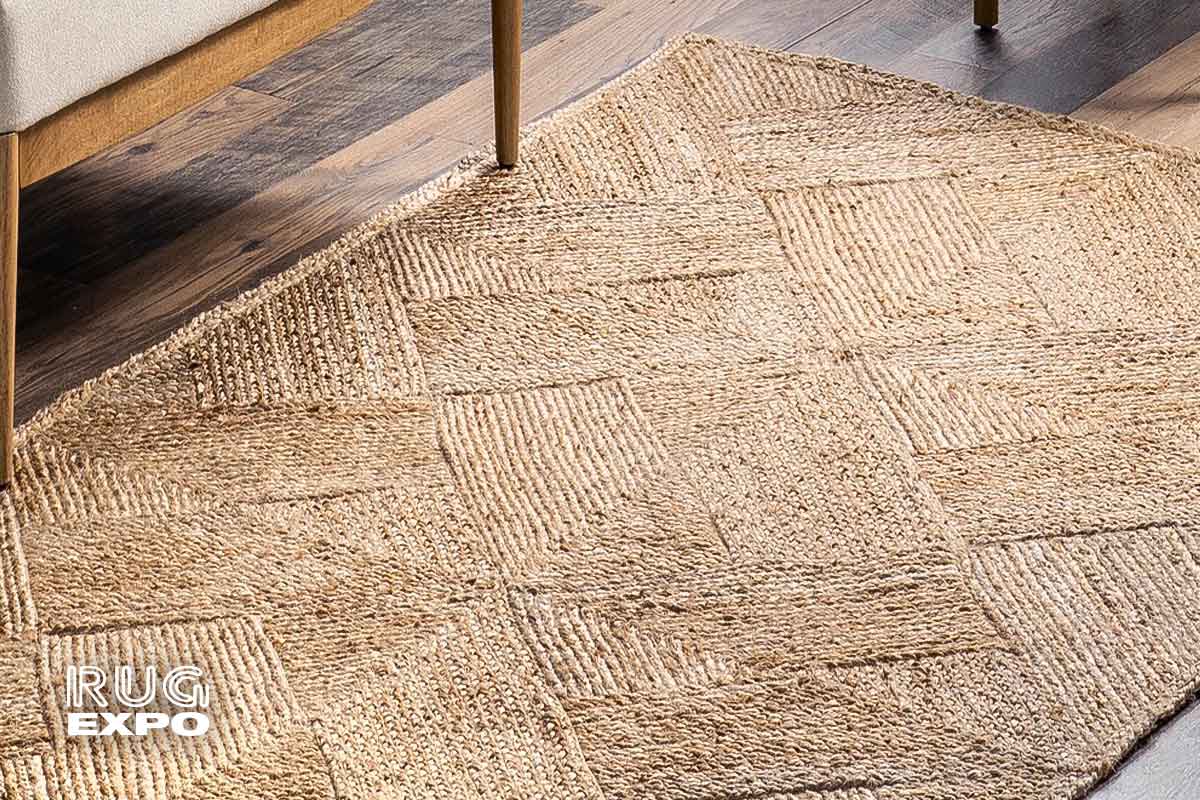
Not all natural rugs are the same. Different fibers mean different textures, durability, and uses. Here we’ll look at the most common Natural Rug Materials, so you can pick what works best for you.
Choosing between Jute Rugs and Sisal Rugs comes down to how you use the space and what matters most to you. Both are popular natural fiber options, but they serve different purposes in the home.
If comfort is your priority, Jute Rugs are usually the better choice. Their softer texture makes them ideal for bedrooms, living rooms, reading nooks, and other areas where you often walk barefoot. They create a warm, relaxed atmosphere and pair well with casual, coastal, farmhouse, and bohemian interiors.
Sisal Rugs, on the other hand, are designed for durability. Their strong fibers can handle daily foot traffic, making them a practical choice for entryways, hallways, dining rooms, and home offices. They provide a structured, tailored appearance that works well in both traditional and contemporary spaces.
Quick Comparison: Jute vs Sisal Rugs
| Feature | Jute Rugs | Sisal Rugs |
| Softness | Very Soft | Firm & Textured |
| Durability | Moderate | Excellent |
| Best For | Bedrooms, Living Rooms | Hallways, Entryways |
| Comfort Underfoot | High | Moderate |
| Pet-Friendly | Moderate | Good |
| High-Traffic Areas | Not Ideal | Excellent |
| Maintenance | Easy | Easy |
| Appearance | Casual & Cozy | Structured & Refined |
Neither option is universally better. Homeowners often use Jute Rugs in comfort-focused spaces and Sisal Rugs in busy areas where durability matters most. Using both throughout your home can create a balanced combination of comfort, practicality, and natural style.
Beyond jute and sisal, you’ve got other options. Seagrass is smooth, tightly woven, and naturally resists stains. It’s great for homes with kids or pets.
Hemp rugs are strong and often used in rustic or modern styles. Coir, which comes from coconut husk, is rough and mostly used for doormats. These Natural Rug Materials offer more ways to bring nature inside.
These lesser-known materials might not be the first thing people reach for, but they can offer exactly what your room needs, especially if you’re looking for something different.
Where will the rug go? That’s the first thing to think about. Bedrooms? Go for Jute Rugs because they’re soft. Hallways or kitchens? Sisal Rugs or seagrass are better.
Got pets or kids? Seagrass is a smart choice since it doesn’t stain easily. For sunny rooms, jute brings warmth and won’t fade fast. Think about comfort, looks, and how much action that space sees.
A little planning can go a long way in picking the right rug. If you’re unsure, you can always test a small piece in the room first.
Jute Rugs are made from jute plant stalks, a material that grows fast and is super eco-friendly. These rugs are known for their soft texture and light golden color.
Let’s look at why people love them and where they work best.
First off, Jute Rugs feel really nice under bare feet. That’s not something you can say about all natural rugs. They’re soft without being flimsy and look great in almost any room.
The natural tone blends easily with other colors, so if your home has wood, plants, or neutral tones, jute fits in without a fuss.
They also add a relaxed, easygoing feel. You don’t need to design around them, they just work.
Jute Rugs are perfect in quiet spaces, bedrooms, reading corners, or under a coffee table. They bring in that natural touch without stealing the spotlight.
Just keep them away from water. Bathrooms and kitchens aren’t ideal. But in dry, cozy areas? They’re perfect. You can even layer them under other rugs for a styled look.
And if your rug ever gets damaged, our Rug Repair Service in San Diego can help bring it back to life. It’s always better to repair a great rug than toss it.
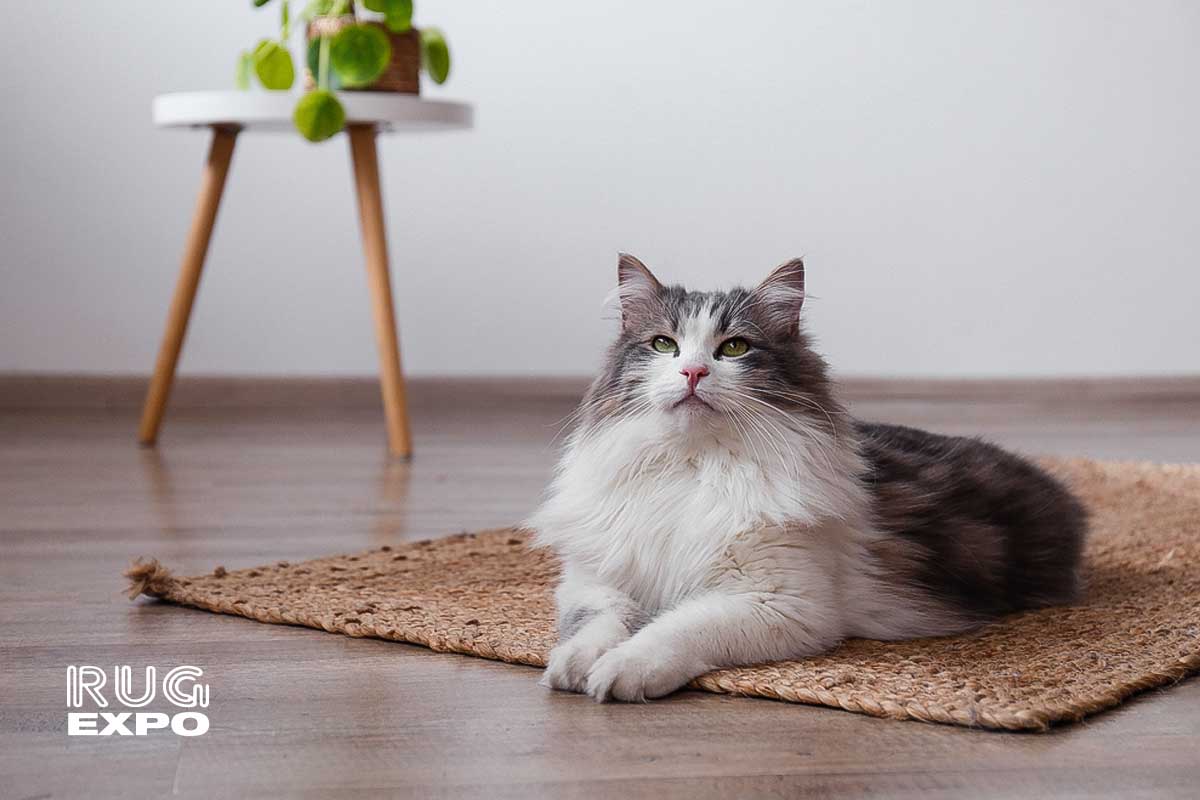
If you want a rug that looks good and stands up to daily wear, Sisal Rugs might be your best bet. These are made from the agave plant and have a coarse, textured surface that’s both stylish and practical. They’re incredibly strong and naturally resist dirt.
Sisal Rugs also hold their shape well. You can put them under heavy furniture, and they won’t flatten out over time. That makes them an easy pick for homes that get a lot of foot traffic.
The fibers in Sisal Rugs are super sturdy. They don’t tear or fray easily, and they last for years with minimal care. If you want something that looks good and doesn’t need replacing every year, sisal is a great option.
They also absorb sound, which can make your home feel quieter and cozier, especially in open spaces.
Designers love Sisal Rugs because they add natural texture to a room without being loud. They work well with both bright and neutral color schemes and can tie a space together without stealing attention.
Use them in living rooms, dining areas, hallways, or home offices. Their structured look adds polish and keeps things grounded.
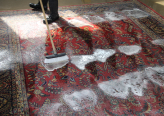
Maintenance is simple. Vacuum regularly, don’t let spills sit, and avoid getting them too wet. If something big happens like a deep stain or pet mess, call our Rug Cleaning Service in San Diego to help clean it professionally without damaging the natural fibers.

Taking care of Natural Fiber Rugs is easier than you might think. You don’t need fancy tools or deep-cleaning machines — just a little consistency and the right approach.
Vacuuming is your first line of defense. Use a brush attachment and go over the rug in different directions to get rid of dirt and dust. Rotating the rug every couple of months helps it wear evenly too.
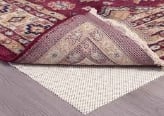
Also, be mindful of what sits on top of your rug. Try not to drag heavy furniture over it. A good rug pad can add extra cushion and protect the weave underneath.
Deep cleaning Natural Fiber Rugs takes a gentle hand. Don’t soak the rug, it can shrink or warp. Instead, use a small amount of water and blot spills immediately. Baking soda can help with mild odors.
For a more thorough job, go with a trusted Rug Cleaning Service like ours in San Diego. We’ll know how to treat your rug right and keep the natural fibers intact.
When choosing a natural fiber rug, consider:
Choose jute for comfort, need durability then select sisal. For stain resistance, consider seagrass. Matching the rug material to your lifestyle is the best way to ensure long-term satisfaction.
You can place Natural Fiber Rugs just about anywhere in the home, as long as you pair the right material with the right space. They’re flexible, stylish, and practical.
Jute Rugs are great in living rooms and bedrooms where softness is key. They bring a natural, cozy vibe that makes lounging around feel even better. The soft fibers are kind to bare feet, and their colors match nearly any decor.
In bedrooms, they help soften the sound and make the space feel more relaxed. In the living room, a large jute rug under the coffee table can anchor your furniture.
For places where people are always walking through, think hallways, entryways, and kitchens, go with Sisal Rugs. Their toughness keeps them looking good even with constant use.
Jute Rugs can also work in medium-traffic spaces if you don’t mind a little extra care. Just remember to keep them dry and vacuum regularly.
In general, Natural Fiber Rugs don’t love moisture. But seagrass is a little more resistant to it, so it can handle the occasional splash. If you really want a natural look in the bathroom or kitchen, try a small seagrass mat.
If you’re on a budget or just want to test things out, check out our Clearance Rugs. You might find a perfect match at a better price.
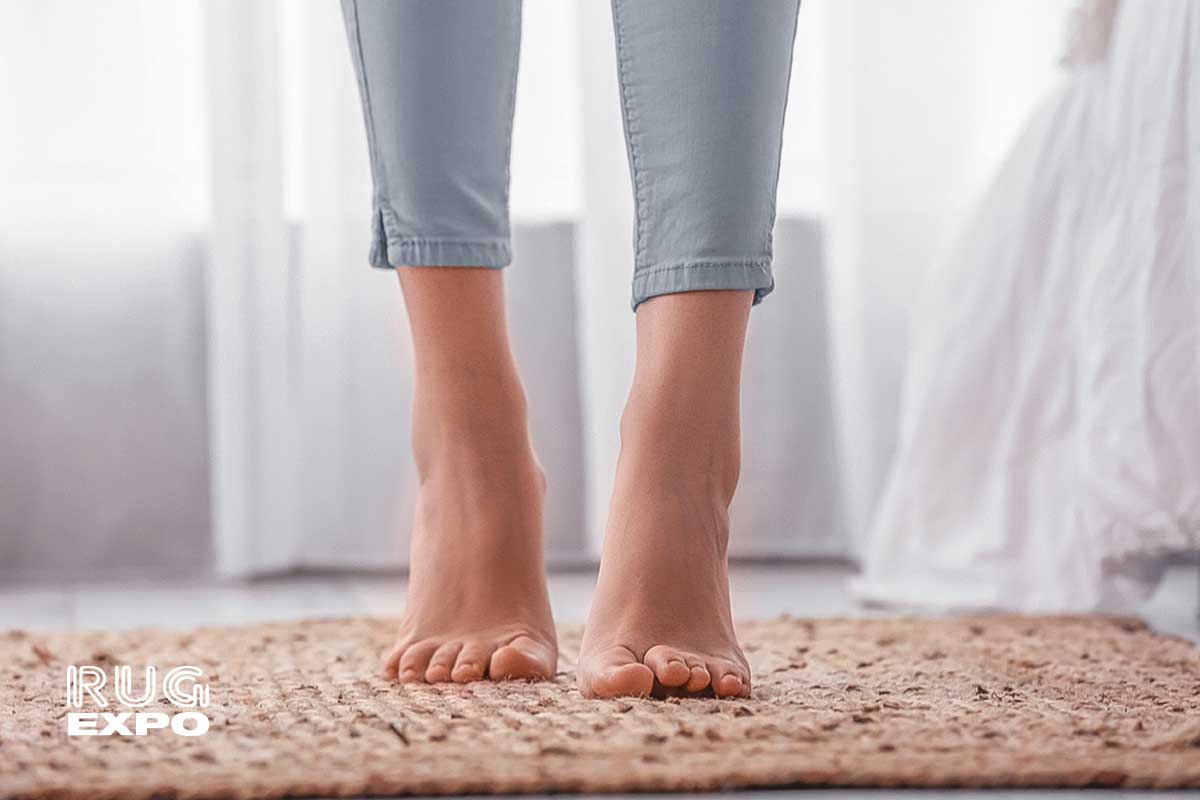
It’s good to know what you’re getting into. While Natural Rug Materials have many perks, they’re not perfect for every scenario. Let’s break down the pros and cons.
Natural Fiber Rugs bring warmth, eco-friendliness, and style. They don’t trap as much dust or odors and often feel better underfoot. You get something that feels more grounded and real.
Synthetics are easy to clean and sometimes cheaper. But they don’t always last as long and might not feel as cozy or breathable. Natural wins for beauty and sustainability, while synthetics score for low-maintenance use.
If taken care of properly, Natural Fiber Rugs can last a long time. Sisal Rugs are especially durable, while Jute Rugs may need a bit more care in busier spots.
To make your rug last even longer, consider scheduling regular checkups and a professional Rug Appraisal Service so you know the worth of your rug once in a while— especially if you’ve got a vintage or handmade piece.
Finding the right rug shouldn’t be a struggle. You want quality, honest materials, and a seller who actually understands rugs.
At Rug Expo, we’ve worked with homeowners, interior designers, and rug collectors for years, helping them select rugs that balance comfort, durability, and long-term value. One of the most common mistakes we see is choosing a rug based solely on appearance without considering how the room is used every day.
For bedrooms and relaxation spaces, we often recommend Jute Rugs because of their softer texture and comfortable feel underfoot. For hallways, entryways, dining rooms, and other high-traffic areas, Sisal Rugs typically perform better due to their exceptional durability and resistance to wear.
We also advise homeowners to consider factors such as foot traffic, pets, children, moisture exposure, and maintenance requirements before making a purchase. A rug that works beautifully in a living room may not be the best choice for a busy hallway or kitchen.
Our experience has shown that matching the rug material to the room’s function is one of the most important factors in achieving long-term satisfaction and durability. When chosen correctly, Natural Fiber Rugs can provide years of beauty, comfort, and everyday performance.
Look closely at the weave and backing. A tight, even weave usually means better durability. A natural latex backing adds strength without harming breathability.
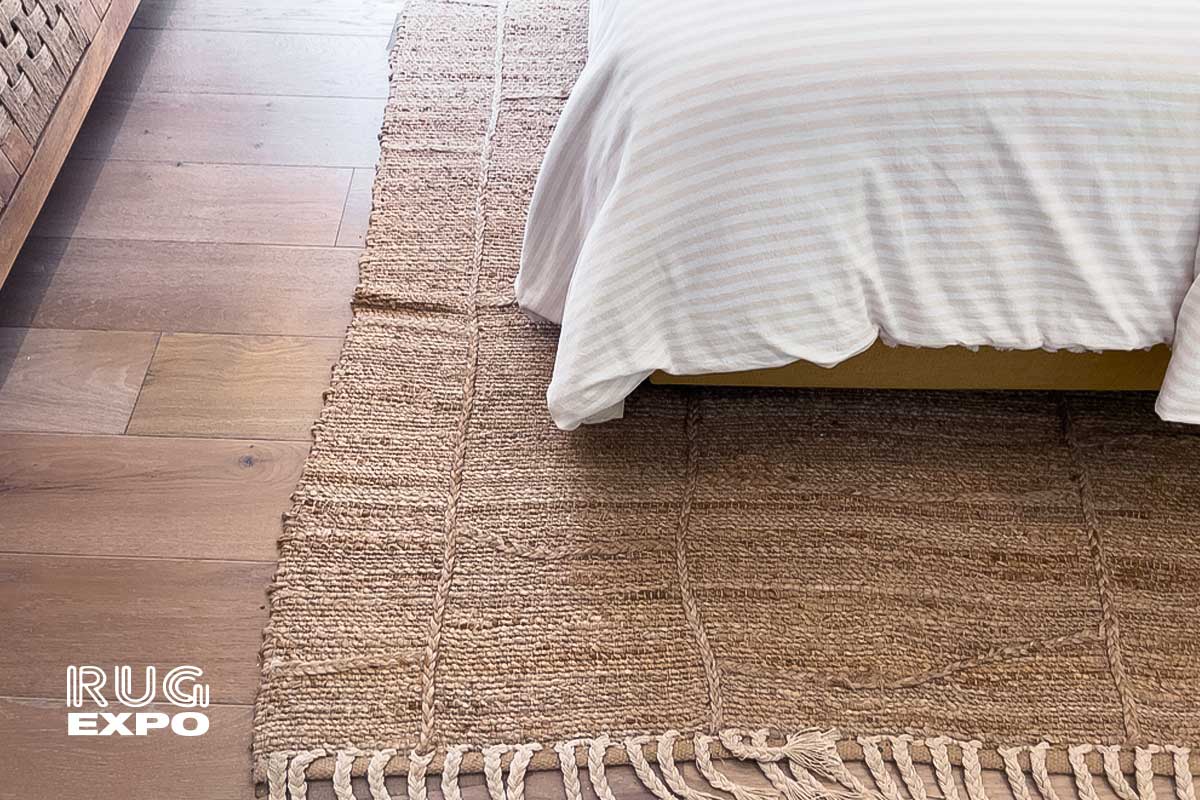
You don’t have to be a designer to make Natural Fiber Rugs look great. Their texture and color make it easy to mix and match with your style.
If space is clean and minimal, Natural Rug Materials add a bit of life. They break up the hard lines and bring in warmth. In rustic settings, they feel like they belong, perfectly in sync with wood, linen, and earthy tones.
They’re the type of decor that doesn’t scream for attention but still changes the whole room for the better.
Layering is a go-to trick for interior stylists. Start with a large Jute Rug or Sisal Rug as your base, then add a smaller, colorful rug on top. It brings contrast, adds softness, and keeps things interesting.
Try mixing patterns and solids or playing with textures. Layering lets you experiment without fully committing to a bold rug.
Natural fiber rugs are made from renewable plant-based materials such as jute, sisal, seagrass, hemp, and coir. These materials are harvested from plants and woven into durable floor coverings.
Yes. Sisal and seagrass rugs are excellent choices for high-traffic spaces because they are highly durable and resistant to daily wear.
Jute rugs are softer and more comfortable underfoot, making them ideal for bedrooms and living rooms. Sisal rugs are stronger and better suited for hallways, entryways, and dining rooms.
Yes. Most natural fiber rugs are biodegradable, renewable, and produced with fewer synthetic materials than traditional rugs.
Most natural fiber rugs should not be saturated with water. Excess moisture can cause staining, warping, or mildew. Seagrass rugs generally offer better moisture resistance than jute or sisal.
With proper care, high-quality natural fiber rugs can last for many years. Sisal rugs often have the longest lifespan due to their durable fibers.
Yes. Seagrass and sisal rugs tend to perform best in homes with pets because they are durable and relatively easy to maintain.
Some shedding is normal with newer jute rugs. The shedding typically decreases over time with regular vacuuming and maintenance.
There’s no denying the charm and practicality of Natural Fiber Rugs. Whether it’s the softness of Jute Rugs, the strength of Sisal Rugs, or the eco-friendly touch of hemp or seagrass, these rugs make your space feel grounded and real.
At Rug Expo, we’ve seen how the right rug can transform a home. We believe in helping people choose rugs that not only look great but also fit how they actually live.
So take your time, feel the textures, and pick a piece that speaks to your space. Because a rug isn’t just decoration — it’s the foundation of comfort, style, and connection.



































Leave a Comment