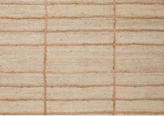
Natural textures. Easygoing vibes. That nice feeling when something looks good and feels right, too. That’s where jute and sisal rugs really shine. But before you jump into buying rug styles made from these cool, down-to-earth materials, it’s good to get the full picture. In this article, we’ll walk you through what jute and sisal rugs are, how they’re made, where they belong in your home, and how they hold up. If you’re thinking about getting one, or just curious, this guide covers everything. From cleaning tips to decorating advice, we’ve got you. We’ll even show you how to tell the difference between them and how to pick the best one. Plus, you’ll get some insight from our team here at Rug Expo.
If you’re deciding between a jute rug and a sisal rug, the biggest difference is comfort versus durability. Jute rugs are softer, warmer, and better suited for bedrooms and living rooms where comfort matters most. Sisal rugs are stronger, more durable, and ideal for hallways, entryways, dining rooms, and other high-traffic areas.
For most homeowners, the right choice depends on where the rug will be placed and how much foot traffic the room receives.
| Feature | Jute Rug | Sisal Rug |
| Material Source | Jute Plant | Agave Plant |
| Texture | Soft and Comfortable | Firm and Coarse |
| Durability | Moderate | High |
| Best For | Bedrooms, Living Rooms | Hallways, Entryways |
| Pet Friendly | Moderate | High |
| Water Resistance | Low | Moderate |
| Maintenance | Easy Vacuuming | Easy Vacuuming |
| Cost | Lower | Slightly Higher |
| Lifespan | 3-8 Years | 5-15 Years |
| Eco-Friendly | Yes | Yes |
The answer depends on how you use your space.
Jute rugs work especially well in:
Sisal rugs are ideal for:
Sisal and Jute rugs are both popular natural fiber options, but they’re made for very different lifestyles. Jute comes from the stalk of the jute plant and has a softer, slightly textured feel (think burlap, but more refined). If you’ve ever wondered what is a jute rug, it’s best described as a cozy, plant-based rug with a warm, relaxed look that works beautifully in everyday homes.
A common question shoppers ask is: Are jute rugs soft? Compared to other natural fiber rugs, yes – jute is one of the softer choices. That’s why it’s a great fit for bedrooms, living rooms, and low-traffic areas where comfort matters most.
Sisal, on the other hand, is made from the fibers of the agave plant and is built for durability. If you’re asking what a sisal rug is, it’s a firm, structured rug designed to handle daily wear and tear. Sisal rugs feel rougher underfoot, but their strength makes them ideal for high-traffic spaces like entryways, hallways, and dining rooms.
When comparing jute vs. sisal, it really comes down to comfort vs. toughness. Jute rugs are softer and more casual, while sisal rugs are stronger and longer-lasting. Once you know how the room will be used, choosing the right one becomes much easier.
If you’re shopping for a rug made from jute or sisal, you’re picking more than just a floor covering. These rugs break down naturally, come from renewable plants, and are often made without strong chemicals. That makes them a great choice if you care about the environment. Plus, natural fiber rugs look good in almost any room. They’re simple, they’re cozy, and they just work. Their textures and tones have a calming effect, and many homeowners choose them for that organic, back-to-nature vibe. Whether it’s jute’s softness or sisal’s toughness, these rugs are strong additions to your space.
Knowing how these rugs are made helps explain why they’re so different. The way jute and sisal rugs are built makes a difference in how strong they are and how long they last. Let’s look at where the fibers come from, how they’re woven, and how it all affects the planet.
Jute usually grows in India and Bangladesh. The plants like humid weather. After harvest, the stalks get soaked and stripped before being spun into yarn. Sisal is mostly grown in Mexico and parts of Africa. Its leaves get crushed and dried to get the strong fibers out. Buying rug options made from these plants helps small farms and keeps old farming traditions going. Choosing natural fiber rugs supports these regions and helps keep sustainable practices alive.
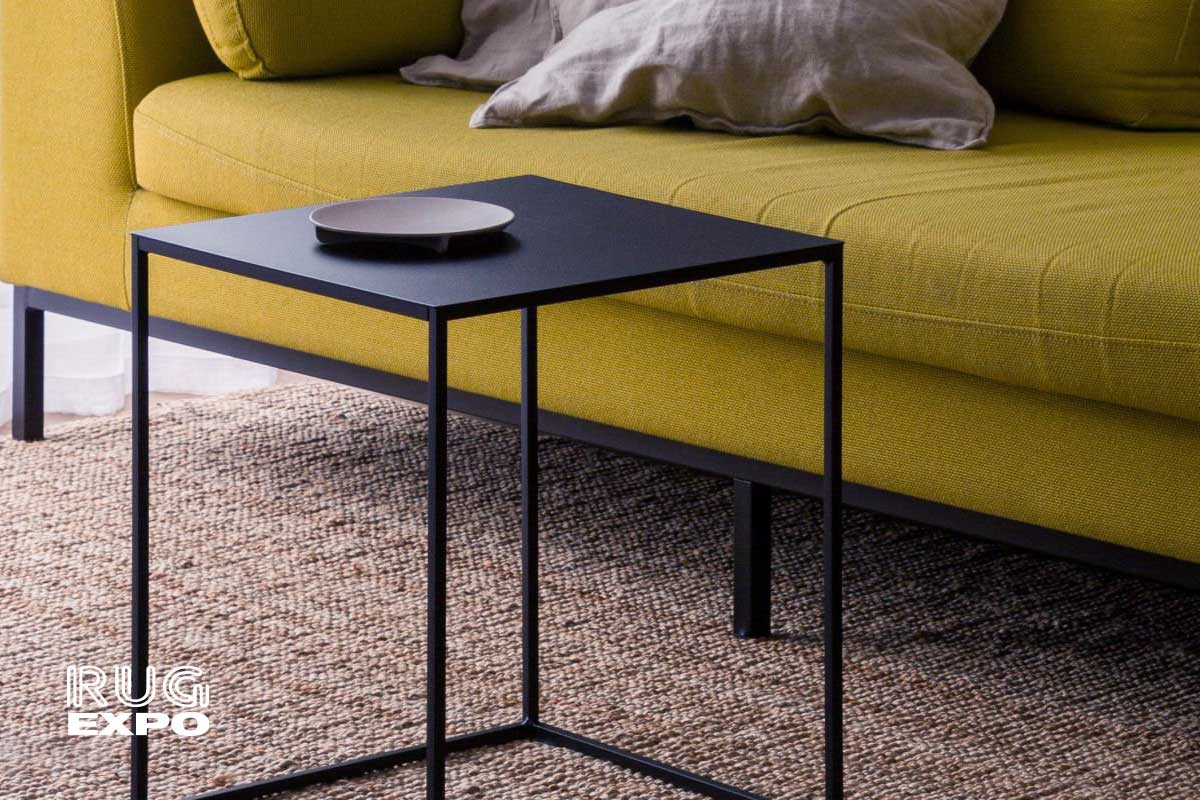
Jute rugs are often handwoven with a loose weave. They feel soft but can fray if not cared for. Sisal rugs are woven tightly, whether by hand or machine. That makes them stronger and better for high-use areas like hallways. We work with makers who use time-tested techniques to keep our rugs sturdy. A tight weave means fewer snags, longer lifespan, and better resistance to shoes, chairs, and paws. And if anything goes wrong, our Rug Repair Service in San Diego is here to help.
Compared to synthetic rugs, jute and sisal have a lighter impact on the environment. These plants don’t need a lot of chemicals to grow. Even the leftover parts are reused for compost or fuel. The process is pretty clean, and the rugs don’t stick around in landfills. That’s a win for the planet. Choosing jute and sisal rugs is one small way to reduce waste and bring greener habits into the home.
Both of these rugs bring a natural look to your space, but they don’t fit in all the same places. Here’s where each one works best and why.
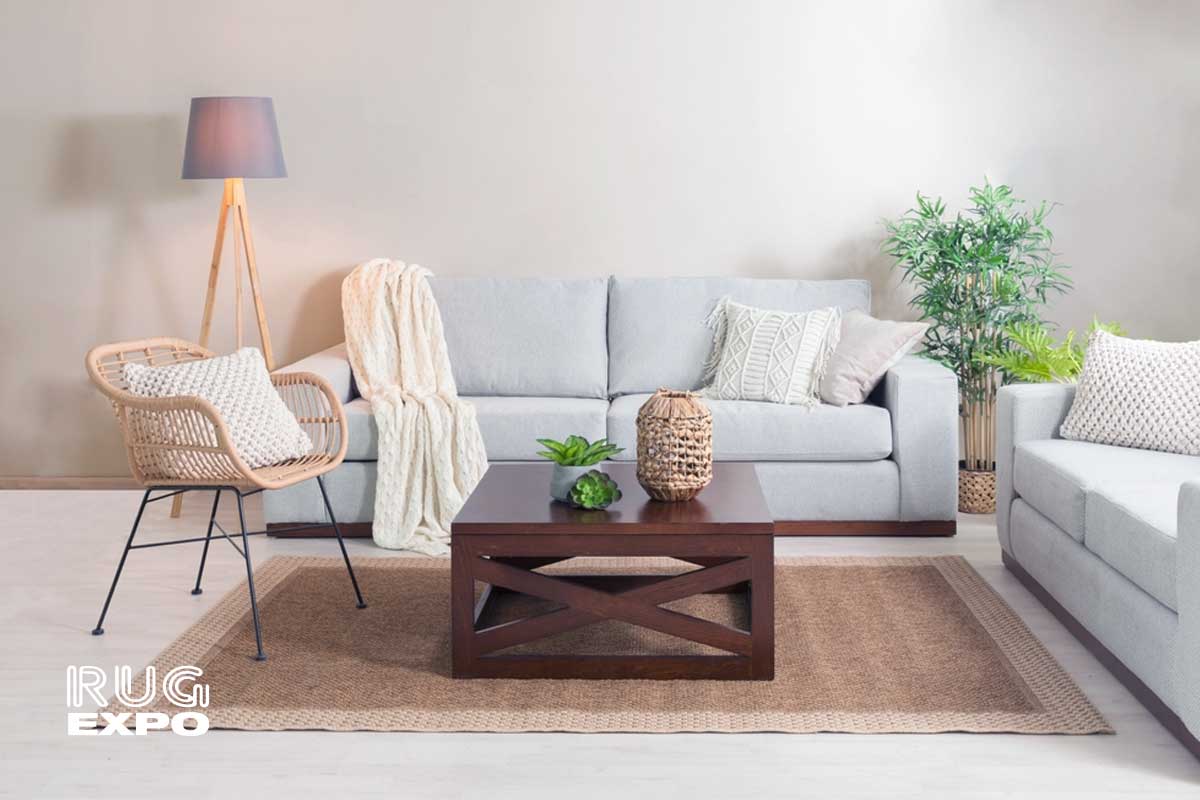
Jute rugs are great for relaxed areas like bedrooms and living rooms. They’re soft underfoot, which makes them nice for places where you sit or walk barefoot. They also look great under bolder rugs if you want to try layering. Lots of people find deals in our Clearance Rugs section and layer them like this. Soft enough for morning feet, and cozy enough to curl up on, jute rugs bring a lived-in charm to these spaces.
Sisal is tougher, so it’s perfect for entryways, hallways, and home offices. It doesn’t absorb water easily and handles dirt well. If you’re choosing a rug that will be walked on a lot, sisal is a smart choice. It’s tough enough to handle busy homes and still look good. Add a Rug Cleaning Service plan like our Rug cleaning Service in San Diego, and it’s even easier to keep them fresh in high-traffic spots.
Jute rugs perform best in areas where comfort is more important than durability.
Recommended rooms include:
Sisal rugs excel in spaces with frequent foot traffic.
Recommended rooms include:
Using the right rug in the right room helps maximize lifespan and maintain appearance over time.
These aren’t rugs you toss in the washer. But taking care of them isn’t hard. With the right steps, they’ll stay looking good for years.
Vacuum regularly without the brush roll. It helps keep the fibers from wearing out. Shake the rug outside once in a while too. Regular vacuuming and professional cleaning when necessary can help extend the life of natural fiber rugs. Even daily messes like crumbs or tracked-in dirt are easier to deal with when you make light vacuuming a habit.
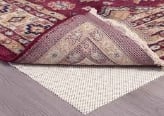
Rotate your rug every few months to stop it from wearing unevenly. Use a rug pad underneath, especially with jute, to keep it in shape. For deep cleaning, try our Rug Cleaning Service. It’s safer than trying to soak it yourself, which can ruin the fibers. Jute and sisal rugs last longer with gentle care and attention to their sensitive weave. And if you want to use a Pad for your Rug, we got your back with our Rug Pad Service.
If something spills, blot it with a dry cloth right away. Don’t rub. You can lightly dab it with a bit of vinegar or soda water. Just don’t soak it. And for big messes, we’ve got your back with our Rug Stain Removal. Quick action makes a big difference when it comes to stains.
Like everything, these rugs have upsides and downsides. Knowing both helps you decide what’s best for your space.
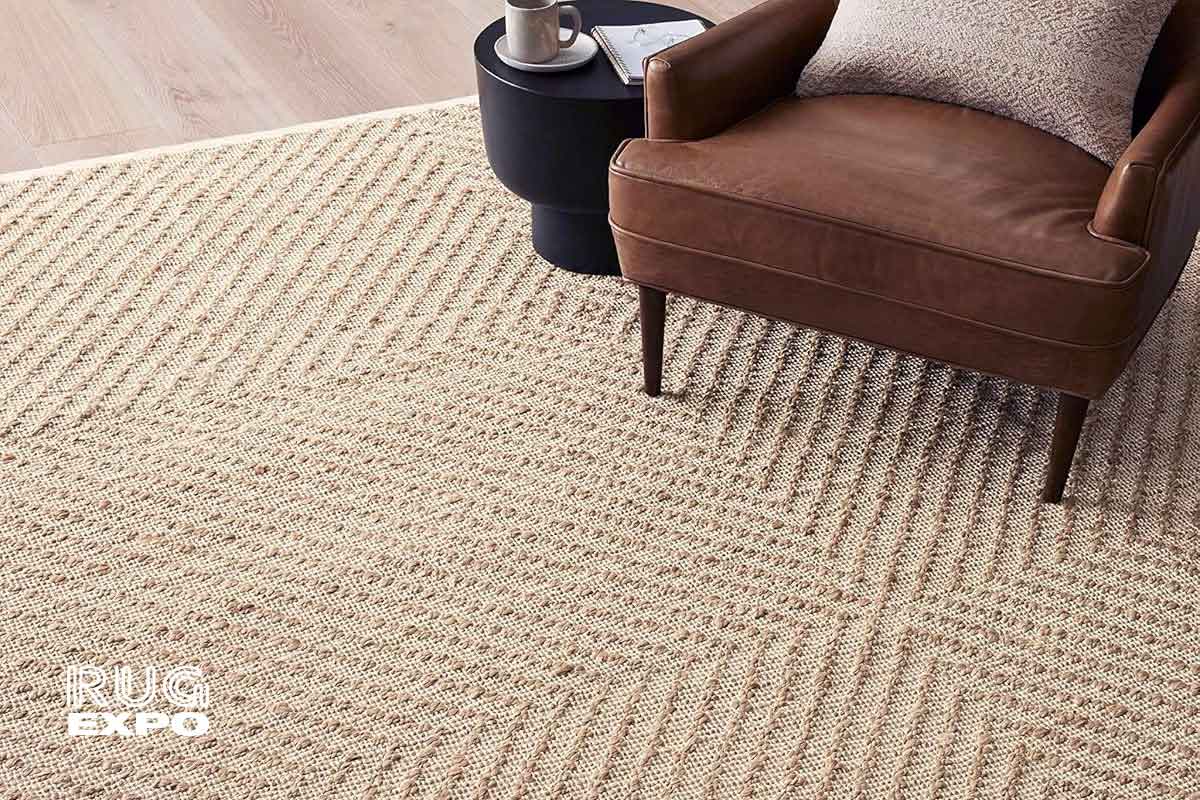
They’re eco-friendly, stylish, and usually cost less than wool or silk rugs. Both are made from natural fibers, so you’re skipping the chemicals. They also bring a nice texture to a room. Jute works well for layering, and sisal holds up in busy areas. Another perk? Their neutral tones go with just about anything. Whether you’re styling with modern furniture or traditional pieces, jute and sisal rugs work like a charm.
Jute can fray and stain more easily. Sisal is rougher and not as cozy for bare feet. And neither rug likes water. That’s why they’re not great for bathrooms or kitchens. Still, with smart placement and a little care, they’ll stick around for years.
Some people worry if these rugs will last. Here’s how they really perform over time, and how they stack up to other natural fiber rugs.
Sisal rugs can last 5–15 years in high-traffic spots. Jute rugs may not last quite as long if they’re in busy areas, but they do well in quieter rooms. Rotate them now and then, vacuum regularly, and keep them dry. That’s the key. If one ever needs a fix, our Rug Repair Service in San Diego is available to help get it looking new again.
Compared to other natural fiber rugs like seagrass or coir, sisal is the strongest. Jute is softer and wears down faster, but it’s better for comfort. It really depends on what you need. Sisal’s great for strength, jute is great for softness. Both have their place. Either way, you’re getting a rug made with natural care and long-lasting style.
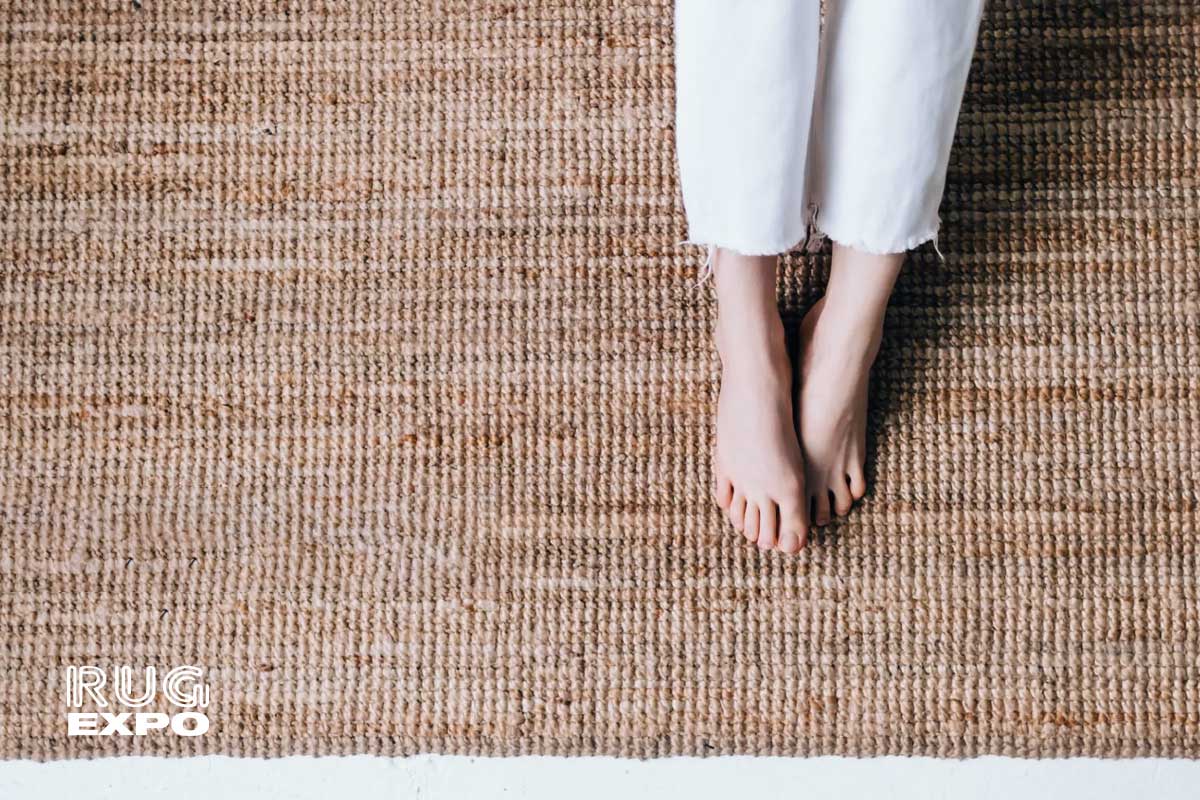
If you’re into clean living and natural materials, these rugs check all the boxes. Here’s why they fit so well in earth-conscious homes.
These plants grow fast, don’t need much help from chemicals, and everything from the crop gets used. That’s better for the planet and for the communities that grow them. If you’re buying rug pieces with less waste in mind, these are solid options. Choosing jute and sisal over synthetic rugs helps lower your home’s footprint.
Jute and sisal don’t give off harsh smells. No weird fumes. They’re a safe pick for families and pets. And when they’ve done their time, they break down naturally. You’re not adding to landfill problems. They’re part of a healthier home environment, along with other mindful choices like non-toxic cleaners and plants.
There’s a lot to think about when you’re selecting a rug, and these are no exception. Here’s what to keep in mind.
Jute feels soft and cozy. Sisal feels rough and firm. Think about what will feel best in the space you’re decorating. If you’re standing barefoot a lot, jute is a safe bet. If you need something strong and practical, go with sisal. You’ll feel the difference right away.
These rugs are more affordable than high-end wool or silk options. But you still want quality. At Rug Expo, we have both high-end and budget-friendly picks, especially in our Oriental Rugs and Persian Rugs collections. You can explore plenty of beautiful options without breaking the bank.
Sisal does okay in outdoor spaces if it’s covered and dry. Jute needs to stay inside. Wet spots are a no-go for both, but especially for jute. If you need something for a patio or balcony, there are better choices.
At Rug Expo, we frequently help homeowners compare natural fiber rugs before making a purchase. Based on customer preferences and long-term performance, jute rugs are often selected for comfort-focused spaces, while sisal rugs are preferred in areas where durability is the primary concern.
Homeowners looking for the perfect balance between aesthetics and functionality should consider both traffic levels and comfort requirements before choosing between the two materials.
These rugs are easy to work into your style. They blend with a lot of looks and don’t steal the show.
They come in different shades, even though they’re all pretty neutral. Jute tends to be warm and golden. Sisal is more pale and cool. Choose the tone that fits your space best. Add throws, pillows, or layer a smaller colorful rug on top. These natural textures help soften sharp lines in modern rooms.
They work great with wood floors but also pop against tile or concrete. Want to make things feel warmer? These rugs help. Their simple look lets the rest of the room’s style shine while still adding something special.
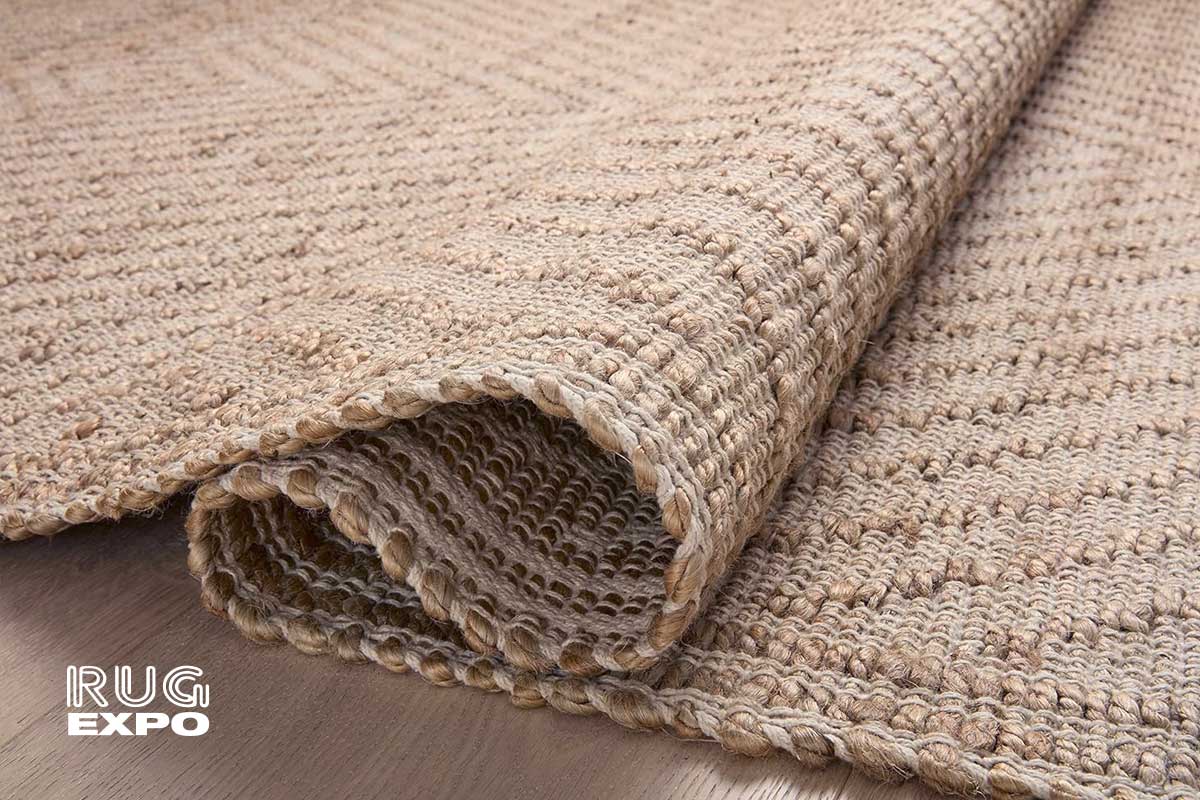
Not all rugs are the same. Knowing what to look for helps you find one that’s worth it.
We help people find rugs they love through Rug Expo, both online and in person. We don’t just stock them, we know what makes each one special. That makes shopping rug pieces easier and more personal. Our team knows the difference between a good rug and a great one.
Trust matters. Pick brands that tell you how their rugs are made and where they come from. It shows they care. Bonus if they help with care afterward, like offering Rug Cleaning Service. A reliable brand won’t leave you guessing about what you’re getting.
Real jute smells a bit earthy. Sisal feels dry and stiff. If it smells like plastic or feels too smooth, it’s probably not the real thing. Good natural fiber rugs have a feel that stands out. You’ll notice it right away. If in doubt, reach out to our team; we’re happy to help you tell the difference.
Yes. Jute rugs are significantly softer than sisal rugs and provide a more comfortable feel underfoot, making them ideal for bedrooms and living spaces.
Sisal rugs generally last longer because their fibers are stronger and more resistant to wear. In high-traffic areas, sisal often outperforms jute.
Yes. Sisal rugs are durable enough to handle pet traffic and daily wear, although regular maintenance is still recommended.
No. Jute rugs absorb moisture easily and should be kept away from damp environments such as bathrooms and uncovered outdoor areas.
Yes. Both jute and sisal rugs are made from renewable plant fibers and are biodegradable, making them eco-friendly flooring options.
Most homeowners prefer jute rugs for living rooms because they are softer and more comfortable. However, sisal may be a better choice if the room experiences heavy daily traffic.
Some shedding is normal during the first few months of use. Regular vacuuming helps minimize loose fibers.
No. Regular vacuuming and prompt spot cleaning are usually enough to maintain a sisal rug.
Jute and sisal rugs are a simple, natural way to add style and comfort to your space. They’re honest, good-looking, and better for the planet than most rugs out there. Whether you want something soft and cozy or something tough and long-lasting, one of these will fit. From how they’re made to how to care for them, these natural fiber rugs offer something special for every home. If you’re buying rug pieces that you want to last and feel good about, jute and sisal rugs are a great place to start. And at Rug Expo, we’re always here to help you make the right choice.