Creating a healthy and comfortable home goes beyond furniture and décor, even the rugs beneath your feet can affect indoor air quality. Many traditional rugs and carpets are manufactured using synthetic fibers, adhesives, and chemical treatments that may release volatile organic compounds (VOCs) and other unwanted toxins into your living space. For families, pet owners, and eco-conscious homeowners, non-toxic rugs are becoming an increasingly important choice. They help support cleaner indoor air while delivering the same warmth, texture, and style as conventional options, without compromising safety. In this post, we’ll explore what makes a rug non-toxic, how to identify safer options, the best materials to look for, maintenance tips for washable rugs, and where to buy non-toxic rugs and carpets in the U.S.
What Are Non-Toxic Rugs?
A non-toxic rug is designed to minimize exposure to harmful chemicals, volatile organic compounds (VOCs), and potentially unsafe dyes or finishes that may affect indoor air quality. These rugs are typically made from natural fibers or carefully vetted synthetic materials and are manufactured to meet recognized safety and environmental standards.
Traditional rugs, particularly, some made with synthetic fibers or chemical treatments, may contain substances that impact indoor environments, including:
- VOCs (Volatile Organic Compounds): Certain materials and adhesives can release gases into the air, sometimes contributing to headaches, respiratory irritation, or allergic sensitivities in enclosed spaces.
- Formaldehyde: Commonly used in adhesives and finishing treatments, formaldehyde exposure has been associated with respiratory irritation and reduced indoor air quality.
- Flame Retardants: While intended to improve fire resistance, some older or unregulated flame-retardant chemicals may accumulate in household dust over time.
- Synthetic Dyes and Heavy Metals: In lower-quality rugs, certain dyes may contain trace amounts of heavy metals such as lead or cadmium.
Why More U.S. Homeowners Are Switching to Non-Toxic Area Rugs
The growing interest in non-toxic area rugs across the U.S. is more than a passing trend, it reflects increasing awareness around indoor health, sustainability, and mindful home design.
- Healthier Indoor Air Quality: Traditional rugs may release volatile organic compounds (VOCs) and other chemical residues that affect indoor air quality. Choosing non-toxic rugs can help reduce exposure to these substances, supporting a cleaner indoor environment, especially important for households with children, older adults, or pets.
- Safer Homes for Children and Pets: Young children and pets spend significant time playing, crawling, or resting on floors. Non-toxic rugs are typically made without certain flame retardants, formaldehyde-based treatments, or potentially harmful dyes, offering added peace of mind for everyday living.
- Eco-Friendly and Sustainable Choices: Many non-toxic rugs are made from renewable, biodegradable materials like wool, jute, or organic cotton. As environmental awareness grows, U.S. homeowners are increasingly choosing products that align with sustainable sourcing and responsible manufacturing practices.
- Allergy and Sensitivity Management: For households managing allergies or chemical sensitivities, non-toxic rugs can be a practical alternative. These rugs often avoid harsh chemical finishes and may use naturally breathable materials that help minimize common indoor triggers.
- Long-Term Investment: While non-toxic rugs may involve a higher initial investment, many are designed for durability and longevity. High-quality natural materials and safer manufacturing processes often result in products that maintain their appearance and performance over time.
How to Tell If a Rug Is Truly Non-Toxic?
Not every rug labeled “non-toxic” meets meaningful safety standards. Here are practical ways to evaluate whether a rug is genuinely low in harmful chemicals:
- Check Certifications: Look for third-party certifications such as GOTS (Global Organic Textile Standard), OEKO-TEX Standard 100, or Green Guard. These certifications indicate that products have been tested for chemical emissions and harmful substances.
- Read Labels Carefully: Avoid rugs that highlight stain-resistant coatings, flame retardants, or synthetic fillers unless the manufacturer clearly specifies safer or low-emission alternatives.
- Ask About Materials: Choose rugs made from natural fibers such as wool, cotton, jute, or hemp.
- Request Product Transparency: Reputable sellers typically provide detailed product information, including material sourcing, dye processes, and chemical treatments. Reviewing this information helps you make a more informed purchase.
Best Materials for Non-Toxic Rugs
Choosing the right rug material plays an important role in both indoor safety and long-term durability. The following materials are commonly considered among the best options for non-toxic rugs:
- Wool: Naturally resilient and flame resistant, wool is a durable fiber that requires fewer chemical treatments than many synthetic alternatives. When minimally processed, it can support better indoor air quality and long-lasting performance.
- Cotton: Soft, breathable, and easy to clean, cotton rugs are well suited for bedrooms, nurseries, and casual living spaces. Many cotton rugs are also washable, making maintenance simple.
- Jute and Sisal: These plant-based fibers are renewable and biodegradable, offering an eco-friendly option that adds natural texture and warmth to interiors. They work well in low- to medium-traffic areas.
- Low-Emission Synthetic Fibers: Certain polyester or nylon rugs are manufactured to meet strict low-emission or chemical safety standards. These options can be practical for high-traffic zones or outdoor spaces where durability and moisture resistance are important.
How to Maintain Non-Toxic Washable Rugs?
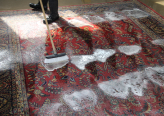
Proper care helps preserve both the safety and longevity of non-toxic washable rugs. Follow these simple maintenance practices to keep them clean and fresh:
- Regular Vacuuming: Vacuum at least once a week to remove dust, dirt, and allergens before they settle deep into the fibers.
- Spot Cleaning: Treat spills promptly using mild, non-toxic cleaning solutions. Avoid harsh chemical cleaners that may damage fibers or leave unwanted residues.
- Machine Wash When Possible: Many non-toxic washable rugs are machine washable. Always follow the manufacturer’s instructions regarding water temperature, detergent type, and drying methods.
- Sun and Air Dry: Allow rugs to air dry whenever possible. Sunlight helps reduce moisture buildup and keeps rugs fresh without the need for chemical treatments.
- Rotate Rugs: Rotate rugs every few months to promote even wear, especially in high-traffic areas such as entryways and living rooms.
Finding high-quality, safe rugs in the U.S. can feel overwhelming, especially with so many materials and certifications to consider. Rug Expo simplifies the process by offering a carefully curated selection of premium area rugs, including natural fiber, eco-friendly, and low-toxicity options designed for modern homes. Whether you are looking for a non-toxic rug for a living space, a washable option for busy households, or a safer choice for children and pets, our team helps you find styles that balance comfort, design, and peace of mind.
FAQs
Q1: Are non-toxic rugs more expensive than regular rugs?
Non-toxic rugs can sometimes have a higher upfront cost due to the use of natural fibers and more sustainable production methods. However, they are often durable, require fewer chemical treatments, and may last longer, making them a worthwhile long-term investment for many households.
Q2: Can non-toxic rugs help with allergies or asthma?
Non-toxic rugs may help reduce exposure to harsh chemicals and VOCs that can trigger sensitivities in some individuals. Many are made with low-emission materials and fewer chemical treatments. When combined with regular cleaning and proper ventilation, they can support improved indoor air quality.
Q3: Are all natural fiber rugs automatically non-toxic?
Not necessarily. While materials like wool, jute, and cotton are natural, some rugs may still be treated with dyes, flame retardants, or stain-resistant chemicals. Always check certifications and product transparency to confirm that a rug meets non-toxic standards.
Q4: Can I use non-toxic rugs outdoors?
Some non-toxic rugs are specifically designed for outdoor use and are made from durable, low-emission synthetic fibers or responsibly treated natural materials. Always follow the manufacturer’s guidelines to ensure proper performance and longevity.
Q5: How can I make an old rug safer if it’s not labeled non-toxic?
For older rugs, thorough cleaning, vacuuming with a HEPA filter, and allowing the rug to air out in a well-ventilated space can help reduce some VOCs and accumulated dust. However, these steps cannot remove all chemical treatments. If indoor air quality is a priority, replacing the rug with a certified non-toxic option may be the safest long-term solution.

































Leave a Comment