
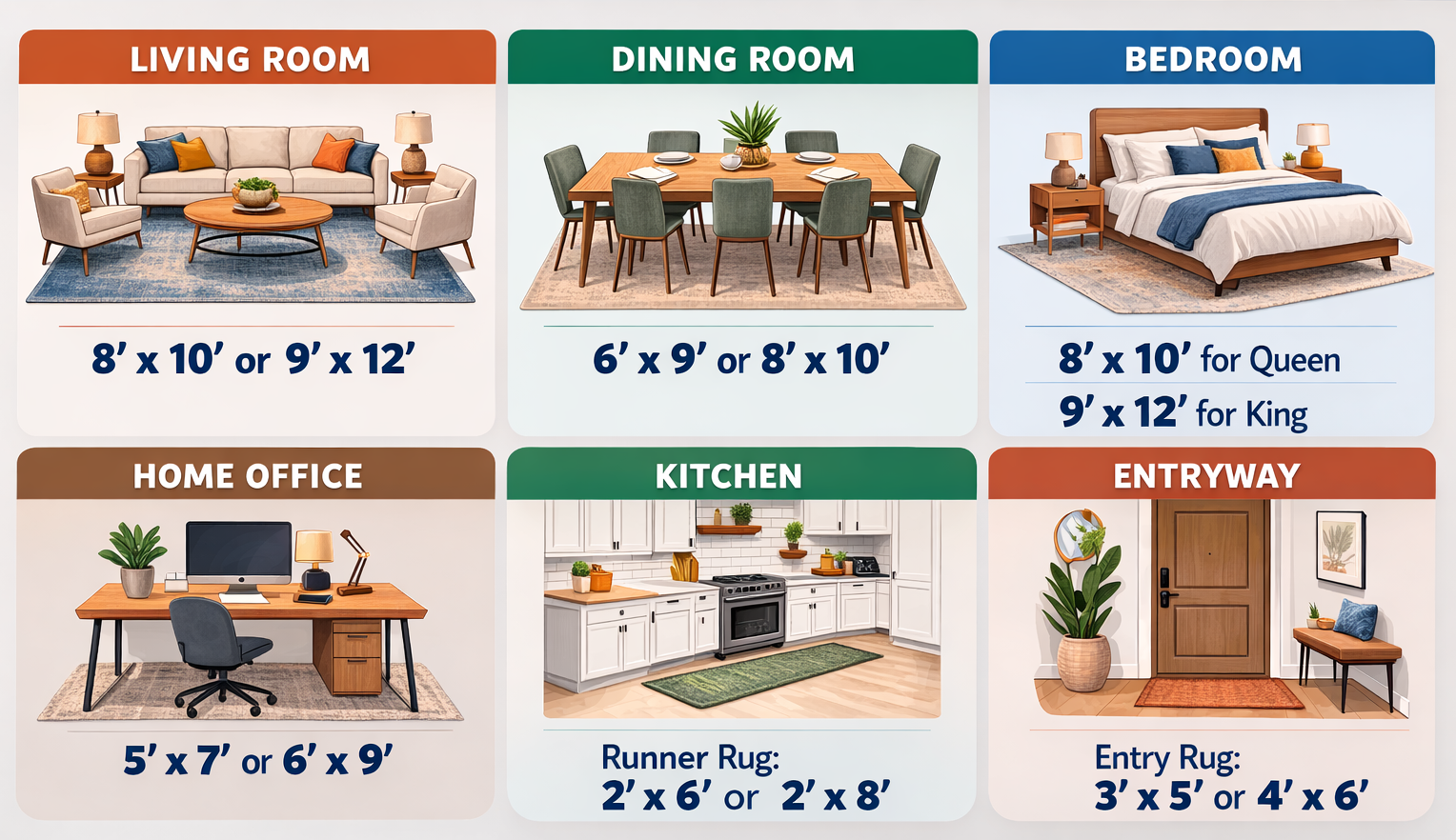
Choosing the right rug size can completely change how a room looks and feels. A rug that is too small can make furniture feel disconnected, while the right size can bring the entire space together.
But how do you know which size is right for your room?
This rug size guide explains common rug dimensions and shows you how to choose the right size for living rooms, bedrooms, dining rooms, and smaller spaces. You’ll also find a practical rug sizes chart, measurement tips, and furniture placement guidelines to make choosing your next rug easier.
Before choosing a rug, it helps to understand the most common rug dimensions and where they typically work best.
| Rug Size | Best For |
| 2×3 ft | Entryways, bathrooms, small accent areas |
| 3×5 ft | Small entries, bedside areas |
| 5×7 ft | Small bedrooms, compact living areas |
| 6×9 ft | Apartments, bedrooms, small living rooms |
| 8×10 ft | Living rooms, dining rooms, bedrooms |
| 9×12 ft | Large living rooms, bedrooms, dining areas |
| 10×14 ft | Large rooms and open floor plans |
| Runner | Hallways, kitchens, entryways |
These are useful starting points, but the best rug size depends on your room dimensions and furniture layout. A rug should feel connected to the furniture rather than simply filling an empty section of floor.
Selecting the right rug size becomes much easier when you follow a structured approach. Interior designers typically recommend measuring the space and planning furniture placement before purchasing a rug.
Finding the right rug size for a room is easier when you measure first and shop second.
Start by measuring the length and width of the area where you want to place the rug. As a general guideline, leaving around 12 to 24 inches of visible flooring between the rug and walls creates a comfortable border. Smaller rooms may need a narrower border.
Think about what will sit on the rug. In a living room, you may want the sofa’s front legs on the rug. In a bedroom, you may want the rug to extend beyond the sides and foot of the bed.
One of the easiest rug measurements guide tricks is to use painter’s tape on the floor. Mark the dimensions of a potential rug and see how it works with your furniture and walking paths.
If you’re deciding between two sizes, mark both on the floor. This makes it much easier to visualize whether an 8×10, 9×12, or another size works better before purchasing.
Professional interior designers often recommend selecting a rug one size larger than you initially planned. A larger rug anchors furniture and prevents the layout from feeling fragmented.
Here are a few expert tips designers use:
These simple techniques can help you visualize the rug size before making a purchase.
Read our blog – What Size Rug Should I Get for My Bedroom? The Complete Bedroom Rug Sizing Guide
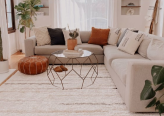
The right rug size for living room spaces depends largely on the size of the seating arrangement and how you want the furniture positioned.
An 8×10 rug is a versatile choice for many medium-sized living rooms. It can accommodate a sofa, coffee table, and chairs while allowing the front legs of the seating furniture to sit on the rug.
A 9×12 rug works well in larger living rooms, spacious seating arrangements, and open-concept homes. It provides more coverage and can allow most or all of the furniture to sit comfortably on the rug.
For smaller living rooms and apartments, a 5×7 or 6×9 rug can work well. The rug can sit beneath the coffee table and within the seating area without overwhelming the room.
Tip: Whenever possible, position at least the front legs of your sofa and chairs on the rug. This visually connects the furniture and helps define the seating area.
Read our blog – What Are The Standard Sizes Of Rugs
Sectionals generally need a larger rug because of their footprint.
| Sectional Type | Recommended Rug Size |
| Small L-shaped sectional | 8×10 ft |
| Medium L-shaped sectional | 9×12 ft |
| Large L-shaped sectional | 10×14 ft |
| U-shaped sectional | 10×14 ft or larger |
For the best visual balance, place at least the front legs of the sectional on the rug and keep the coffee table completely on the rug when possible.
In an open-concept room, a large rug can also help visually separate the living area from the dining or kitchen space.
Bedroom rug sizing depends on both the bed size and the amount of floor space around it.
If you’re searching for the right rug size for king bed layouts, a 9×12 rug is a strong choice for many larger bedrooms. It provides generous coverage around the bed and creates a substantial frame for the sleeping area.
An 8×10 rug generally works well with a queen bed, while a 6×9 rug can suit a full-size bed or smaller bedroom.
Common Bedroom Rug Sizes
King bed: 9×12
Queen bed: 8×10
Full bed: 6×9
Small bedroom: 5×7
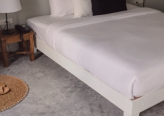
You don’t always need the rug underneath the entire bed and nightstands. Another option is to place it beneath roughly the lower two-thirds of the bed so the rug extends beyond both sides and the foot.
Choosing the right dining room rug size requires you to think about the chairs, not just the table.
The rug should extend approximately 24 to 30 inches beyond the edges of the dining table. This gives chairs enough room to remain on the rug when they are pulled out.

| Dining Table | Recommended Rug |
| 4-person table | 6×9 ft |
| 6-person table | 8×10 ft |
| 8-person table | 9×12 ft |
For a coordinated look, consider matching the rug shape to the table:
Round table → Round rug
Rectangular table → Rectangular rug
Square table → Square rug
A common misconception is that small rooms always need small rugs. In reality, a slightly larger rug can sometimes make a compact room feel more spacious by reducing visual breaks between furniture pieces.
For smaller living rooms, apartments, offices, and bedrooms, 5×7 and 6×9 rugs are practical starting points.
Leave enough visible flooring around the rug to maintain a border, but don’t be afraid to choose a larger size if the room and furniture can accommodate it.
Choosing the right rug size for a child’s room creates a comfortable play area while protecting the flooring. The ideal rug depends on the room size and furniture layout, but it should provide enough soft surface for play without overwhelming the space.
| Room Size | Recommended Rug Size |
|---|---|
| Nursery | 3×5 or 5×7 |
| Small Kids’ Bedroom | 5×7 |
| Medium Kids’ Bedroom | 6×9 |
| Large Kids’ Bedroom | 8×10 |
If you’re deciding between these two popular rug sizes, look at your room and furniture rather than choosing based solely on the rug itself.
| 8×10 Rug | 9×12 Rug | |
| Best for | Medium rooms | Larger rooms |
| Furniture coverage | Partial coverage | More complete coverage |
| Overall look | Balanced | More expansive |
| Best use | Compact seating areas | Larger seating arrangements |
Choose an 8×10 rug when you have a medium-sized room, compact furniture, or want more visible flooring around the rug.
Choose a 9×12 rug when you have a larger room, a sectional, or want the rug to anchor more of the furniture.
A few simple mistakes can make an otherwise beautiful rug look out of place.
For a quick reference:
8×10 and 9×12 rugs are among the most versatile choices for living rooms. The right option depends on your room size and furniture arrangement.
In most living room layouts, having at least the front legs of the sofa on the rug helps anchor the seating arrangement.
Aim for approximately 24 to 30 inches of additional rug space around each side of the table so chairs can remain on the rug when pulled out.
An 8×10 rug generally provides the best coverage for a queen bed layout.
A 9×12 rug is a popular choice for a king bed because it provides generous coverage around the bed and helps anchor the bedroom furniture.
In most cases, a single large rug creates a more cohesive look and makes the room appear larger.
A border of approximately 12 to 24 inches of visible flooring can create balanced proportions, although the ideal amount depends on the room’s size and layout.
The best rug isn’t simply the one that looks good online. It is the one that fits your room, works with your furniture, and creates the feeling you want in the space.
Start by taking accurate rug measurements, consider how your furniture will sit on the rug, and compare different rug dimensions before making your decision. If you’re between two sizes, testing the dimensions on your floor with painter’s tape can make the choice much easier.
At Rug Expo, you can explore a wide range of area rugs in different sizes, colors, patterns, and styles to find an option that works with your space.
















































Leave a Comment