
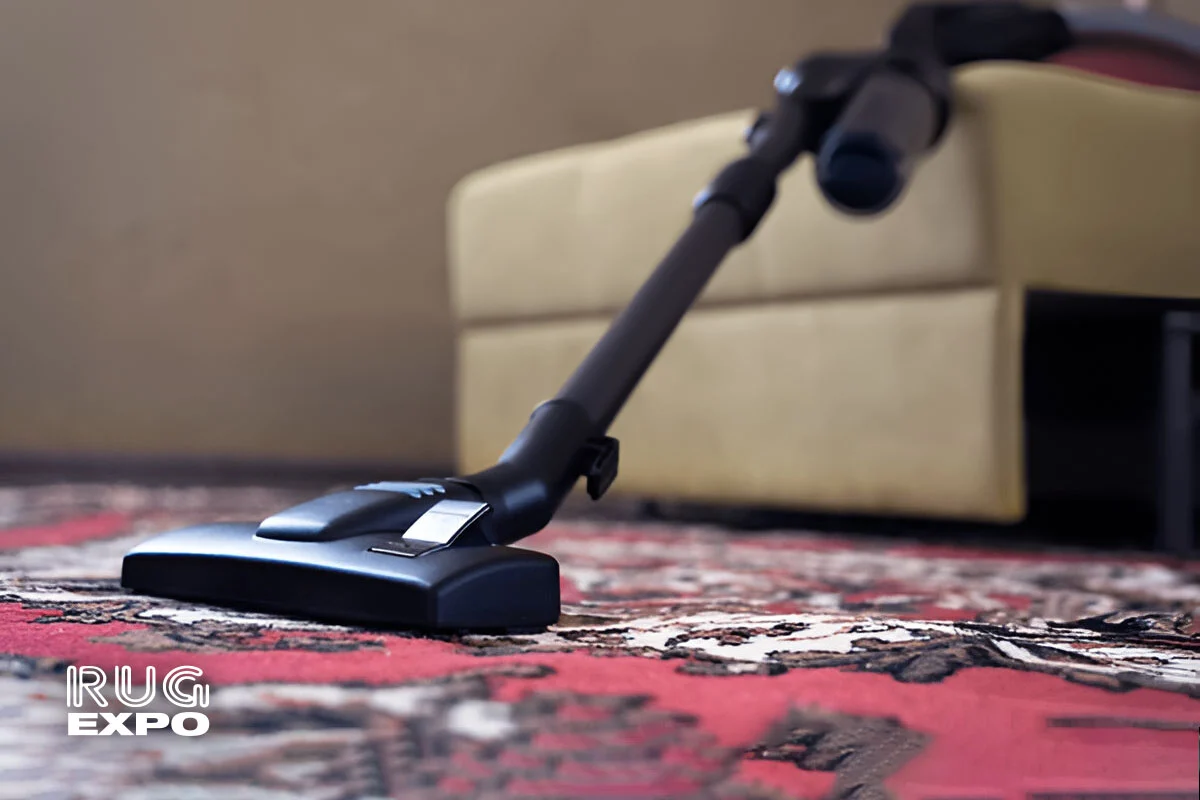
Oriental rugs are beautiful, handcrafted pieces that require proper care to preserve their fibers, colors, and craftsmanship. Because they are often made with delicate natural fibers and intricate handwoven construction, knowing how to vacuum an Oriental rug properly is essential to prevent unnecessary wear or damage.
So, can you vacuum an Oriental rug? Yes, but the technique matters. The safest approach is to use gentle suction, avoid rotating brush rolls, vacuum with the direction of the pile, and keep the vacuum away from the fringe.
In this guide, we’ll explain how to vacuum Oriental rugs safely, how often to vacuum them, whether you can use a robot vacuum on an Oriental rug, and when professional Oriental rug cleaning is a better option.
Yes, you can vacuum an Oriental rug safely. The key is to use a gentle vacuuming method that does not pull, stretch, or snag the rug’s fibers.
For most Oriental rugs, use suction only or a smooth upholstery/floor attachment, turn off the rotating brush or beater bar, and vacuum in the direction of the pile. Avoid running the vacuum over the fringe, loose edges, or damaged areas.
If the rug is antique, silk, very delicate, or already showing loose fibers or damaged knots, consider having it evaluated by a professional before regular vacuuming.
Key Takeaways
| Feature | Recommendation |
| Vacuum Frequency | Weekly (High Traffic) |
| Vacuum Type | Suction Only |
| Beater Bar | Avoid |
| Upholstery Attachment | Recommended |
| Vacuum the Fringe | No |
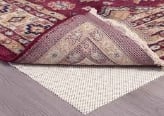
| Vacuum the Backside | Occasionally |
| Professional Cleaning | Every 12–18 Months |
You’d think vacuuming would be the easy part of rug care, right? Just plug in the machine and go. But Oriental rugs are handmade, often from wool or silk, and full of delicate knots, patterns, and textures. If you go at it too rough or use the wrong vacuum settings, you could end up doing more harm than good.
When you vacuum an Oriental rug incorrectly, you risk pulling out the fibers, fraying the edges, and even wearing down the vibrant colors. That fringe at the end of your rug? Yeah, your vacuum loves to eat that.
So, the trick is to clean it without wrecking it. It’s all about being gentle but consistent. Think of it like brushing long hair, you don’t just rip through tangles unless you want breakage. Same energy here.
And by the way, if your rug has been through a lot already, it might be time to check out a Rug Repair Service.
This one’s a bit of a balancing act. Vacuum too much, and you might wear it down. Vacuum too little, and dirt grinds into the fibers like sandpaper. So what’s the sweet spot?
If your rug is in a high-traffic area, like the living room, or your dog’s favorite nap spot, aim for once a week. If it’s more of a decorative piece that doesn’t see much action, once every couple of weeks is probably enough.
But here’s the key: don’t use the beater bar. That spinning brush roll on your vacuum? Yeah, turn that off if you can. It’s great for carpets, but it’s way too aggressive when you vacuum an oriental rug.
Use the suction only, and if you’ve got a vacuum with adjustable height settings, raise it up a notch. You want enough pull to lift the dust, not enough to pull the rug apart. And always vacuum in the direction of the pile. Rubbing against the grain just makes things worse.
Also, try flipping your rug once in a while. It helps it wear out more evenly. And if it sits in a sunny spot, turning it around sometimes can keep one side from fading faster than the other.
How often should you vacuum an Oriental rug? For most rugs, once a week is a practical starting point, but the ideal frequency depends on foot traffic, pets, children, dust levels, and the rug’s material. High-traffic areas may need more frequent gentle vacuuming, while a decorative rug in a low-traffic room may need less.
The goal isn’t simply to vacuum as often as possible. Regular, gentle vacuuming helps prevent abrasive dirt and grit from settling deep into the pile, while overly aggressive vacuuming can cause unnecessary wear.
| Location | Recommended Frequency |
| Living Room | Once per week |
| Hallway | Once per week |
| Dining Room | Every 1–2 weeks |
| Bedroom | Every 2 weeks |
| Formal Room | Every 2–4 weeks |
Yes, a robot vacuum can be used on some Oriental rugs, but it depends on the rug and the robot vacuum. A robot vacuum is generally more suitable for a low-pile, firmly secured Oriental rug without loose fringe or damaged edges.
Before using a robot vacuum, check the following:
If your Oriental rug is antique, silk, hand-knotted, heavily fringed, or particularly valuable, manual vacuuming with a suitable attachment is the safer choice.
When in doubt, check the rug manufacturer’s care instructions before using a robot vacuum.
| Vacuum Type | Oriental Rug Suitability | What to Watch For |
| Suction-only vacuum | Excellent | Use gentle suction |
| Upholstery attachment | Excellent | Avoid excessive pressure |
| Vacuum with rotating brush | Usually avoid | Can pull fibers |
| Robot vacuum | Depends on rug | Avoid fringe and aggressive brushes |
| Handheld vacuum | Good for edges/fringe | Use low suction |
| High-power carpet vacuum | Not recommended | Too aggressive for delicate rugs |
Follow these steps to safely vacuum an Oriental rug without damaging its fibers or fringe.
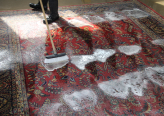
If vacuuming no longer restores the rug’s appearance, professional cleaning services may be necessary. Deep cleaning removes embedded dirt, allergens, and stains that regular vacuuming cannot reach while protecting delicate fibers and natural dyes.
Read our blog – Latest Trends in Rug Design
| Safe | Avoid |
| Suction only | Beater bar |
| Upholstery attachment | High-power carpet setting |
| Vacuum with pile | Vacuum against pile |
| Medium suction | Maximum suction |
| Regular gentle vacuuming | Vacuuming a wet or damp rug |
Many Oriental rugs become damaged because of improper vacuuming rather than everyday use. Avoid these common mistakes:
| Vacuum Setting | Recommended |
| Suction Power | Medium |
| Brush Roll | Off |
| Height | Highest practical setting |
| Attachment | Upholstery Tool |
| Cleaning Direction | With the pile |
| Robot Vacuum | Only on suitable low-pile rugs; avoid fringe and aggressive brush rolls |
When should you not vacuum an Oriental rug? Avoid vacuuming if your Oriental rug has:
Consider professional cleaning if you notice:
Regular vacuuming is part of Oriental rug care, but it cannot remove every type of embedded dirt, odor, stain, or residue. If vacuuming no longer improves the rug’s appearance, or if you’re concerned about damaging a valuable or delicate rug—professional rug cleaning can provide a safer deep-cleaning option.
At Rug Expo, we regularly see how the wrong vacuuming technique can contribute to premature wear in handmade rugs. In our experience, the safest routine is simple: use gentle suction, avoid rotating brush rolls, keep the vacuum away from fringe and loose edges, and inspect the rug regularly for signs of wear.
For delicate, antique, or heavily worn Oriental rugs, professional guidance can help determine the safest cleaning and maintenance approach.
What If It Still Looks Dirty After Vacuuming?
Vacuuming removes loose dirt and debris, but it cannot replace deep cleaning. If your Oriental rug still has persistent odors, embedded dirt, heavy stains, pet-related contamination, or a dull appearance after vacuuming, it may need professional cleaning.
Avoid scrubbing stains aggressively. Blot fresh spills gently and avoid saturating the rug, especially if you’re unsure about its material or dye stability.
For delicate, antique, silk, or valuable Persian and Oriental rugs, professional cleaning can help reduce the risk of damage from improper DIY treatment.
Need professional rug cleaning in San Diego? Rug Expo can help assess your rug and recommend an appropriate cleaning approach.
Yes. Weekly vacuuming is recommended for Oriental rugs in high-traffic areas using suction-only mode.
Yes. Vacuuming the back occasionally helps loosen embedded dirt and keeps the rug cleaner.
Yes. Vacuums with rotating brush rolls or excessive suction can damage delicate fibers and fringe.
No. Vacuuming the fringe may pull or unravel it. Clean the fringe gently by hand or with a low-suction handheld attachment.
A vacuum with adjustable suction and a smooth floor or upholstery attachment is generally a good choice for Oriental rugs. Avoid aggressive rotating brush rolls or beater bars, particularly on handmade, silk, antique, or delicate rugs.
Professional cleaning is generally recommended every 12–18 months, depending on foot traffic, pets, and household conditions.
You can use a robot vacuum on some Oriental rugs, particularly low-pile rugs that are securely positioned and do not have loose fringe or damaged edges. Avoid models that use aggressive rotating brushes, and keep the robot away from fringe and tassels. For antique, silk, or fragile handmade rugs, manual gentle vacuuming may be safer.
Use gentle suction, turn off the beater bar or rotating brush, vacuum with the direction of the pile, and keep the vacuum away from fringe and loose edges. For delicate or damaged rugs, follow the manufacturer’s care instructions or consult a professional.












































Leave a Comment