
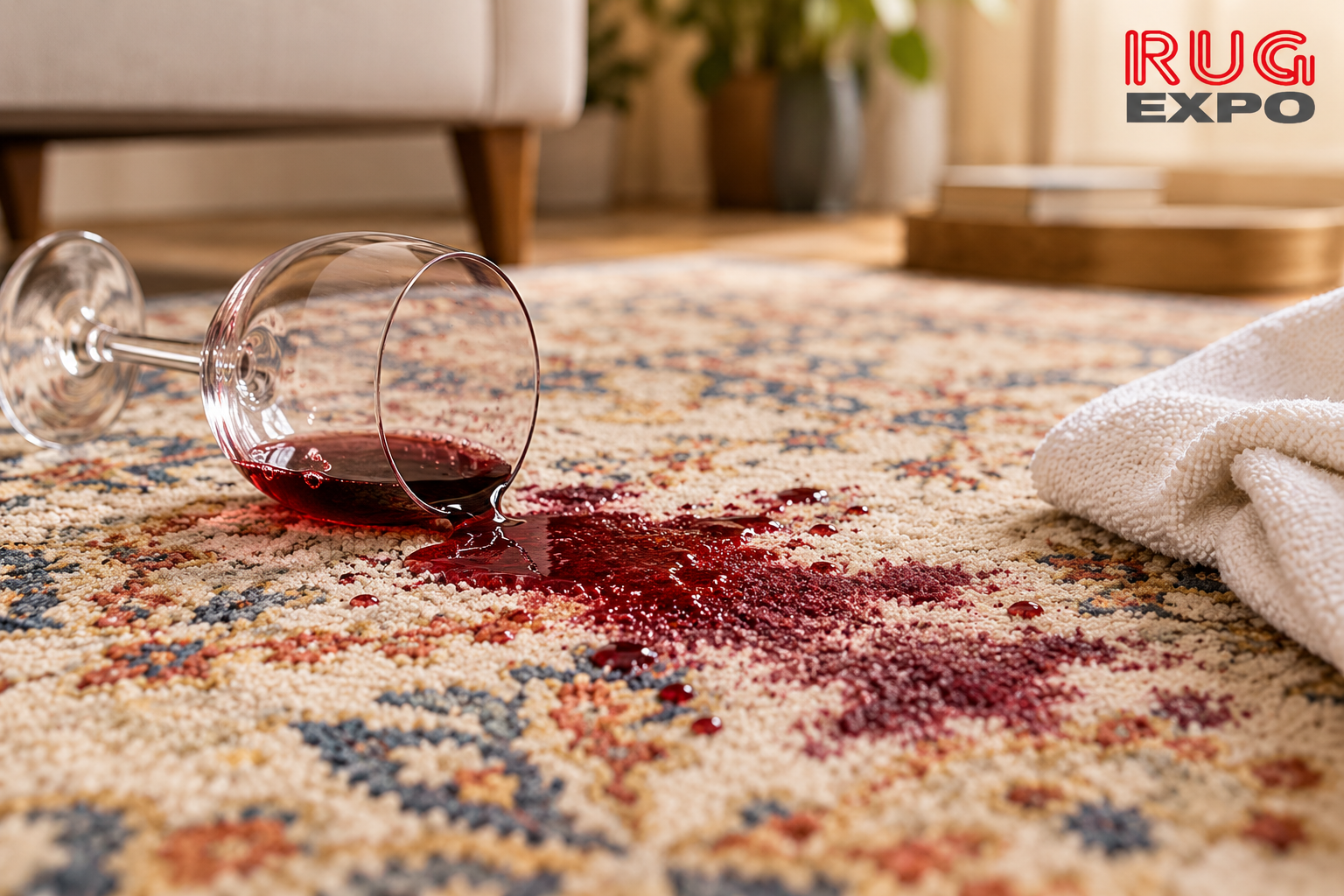
If you need to clean red wine from a rug, acting quickly can help prevent the spill from becoming a stubborn stain. The right approach depends on the rug’s material, construction, and dyes. Blotting the spill promptly, avoiding aggressive scrubbing, and choosing a suitable cleaning method can help remove the stain without damaging the rug fibers.
If you have a red wine stain on a rug, don’t panic. Fresh spills can often be treated before they set, while older or dried stains may require professional rug cleaning.
The first few minutes are important when dealing with a wine stain on a rug.
Follow these steps:
The most important rule is simple: blot, don’t scrub. Rubbing can push wine deeper into the fibers and may damage the surface or cause the stain to spread.
For a fresh spill on a washable or colorfast rug, start with the least aggressive approach.
Gently blot the affected area with a dry white cloth. Do not press excessively, as this can force the liquid further into the rug.
Continue until little or no wine transfers onto the cloth.
Rugs are made from different fibers and may contain dyes that react differently to moisture or cleaning products.
Before applying any solution, test it on a small, inconspicuous area.
Check for:
If the rug reacts negatively, stop the DIY treatment.
If the rug’s care instructions allow water-based cleaning, use a small amount of appropriate rug-cleaning solution or water and gently blot the affected area.
Avoid saturating the rug. Excess moisture can travel into the backing and create additional problems, particularly with natural-fiber rugs.
Use a clean, slightly damp cloth to remove remaining cleaning solution if appropriate for the rug.
Then blot the area with a dry towel to remove excess moisture.
Allow the rug to dry naturally in a well-ventilated area. Do not cover the damp spot or place heavy furniture on it.
A rug should be completely dry before normal use.
Also Read: How to Master Rug Routine Cleaning Without Damaging the Fibers
A dried stain is generally more difficult to remove because the wine has had time to bond with the fibers and dyes.
Start by gently removing any surface residue. Then check the rug’s material and care instructions before attempting further treatment.
Avoid repeatedly applying household cleaning products in an attempt to remove a stubborn stain. Multiple treatments can sometimes cause discoloration or leave residue behind.
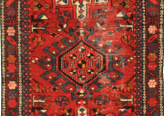
If the red wine stain has dried into the rug, particularly on wool, silk, Oriental, Persian, antique, or hand-knotted rugs, professional cleaning may be a safer option.
No. The safest approach depends on the rug’s fiber, construction, dyes, age, and backing.
Wool fibers can be sensitive to excessive moisture, heat, friction, and unsuitable cleaning products. Avoid aggressive scrubbing and excessive soaking.
Silk rugs require particular care because their delicate fibers can be damaged by friction and inappropriate cleaning methods. DIY stain treatment can be risky.
Persian and Oriental rugs may contain natural dyes and specialized constructions. Applying the wrong cleaning solution or too much moisture can cause color bleeding or other damage.
Some synthetic rugs are more resistant to staining and moisture than delicate natural fibers. However, the manufacturer’s care instructions should still be followed.
Natural plant fibers can react poorly to excessive moisture. Water can contribute to discoloration, browning, or changes in texture.
The important takeaway: There is no single red-wine stain-removal method that is safe for every rug.
Also Read: Easy At-Home Cleaning Tips for Oriental and Specialty Rugs
Trying to remove a stain quickly is understandable, but some common approaches can make the problem worse.
Avoid:
A stain that looks small on the surface may also have penetrated deeper into the rug. Treating it repeatedly without understanding the fiber or dye can create a larger problem than the original spill.
Professional cleaning is worth considering when:
Professional rug cleaners can evaluate the rug’s construction, fibers, dyes, and condition before determining an appropriate cleaning approach.
Also Read: Rug Cleaning Near Me: Top Tips for Choosing a Local Pro
You cannot always prevent a stain, but quick action can improve the chances of successful removal.
Keep clean white towels or absorbent cloths available when serving wine, particularly during gatherings. If a spill occurs, address it immediately rather than allowing it to dry.
Regular professional cleaning can also help maintain the overall condition of an area rug, but professional cleaning should not be viewed as a substitute for immediate stain treatment.
Final Takeaway
When you need to clean red wine from a rug, speed and gentle treatment matter. Blot the spill as soon as possible, avoid aggressive scrubbing, use only a suitable cleaning method, and test products before applying them to visible areas.
For delicate, antique, Oriental, Persian, or heavily stained rugs, professional evaluation can help reduce the risk of fiber or color damage. The right approach isn’t simply about removing the stain, it’s about removing it without damaging the rug in the process.
Blot the spill immediately with a clean, absorbent white cloth. Avoid rubbing, and don’t saturate the rug with water or cleaning products.
Baking soda is commonly suggested as a home remedy, but its suitability depends on the rug’s fiber and construction. It is better to check the rug’s care instructions before applying household products.
Old stains can be more difficult to remove because they may have penetrated or bonded with the fibers. Avoid repeated DIY treatments and consider professional cleaning, particularly for delicate or valuable rugs.
Vinegar is a common household cleaning remedy, but it is not appropriate for every rug. Different fibers and dyes can react differently, so always check the manufacturer’s care instructions and test any solution in an inconspicuous area first.
No. Scrubbing can spread the stain, push liquid deeper into the fibers, and cause physical damage. Gentle blotting is generally the safer first step.











































Leave a Comment