
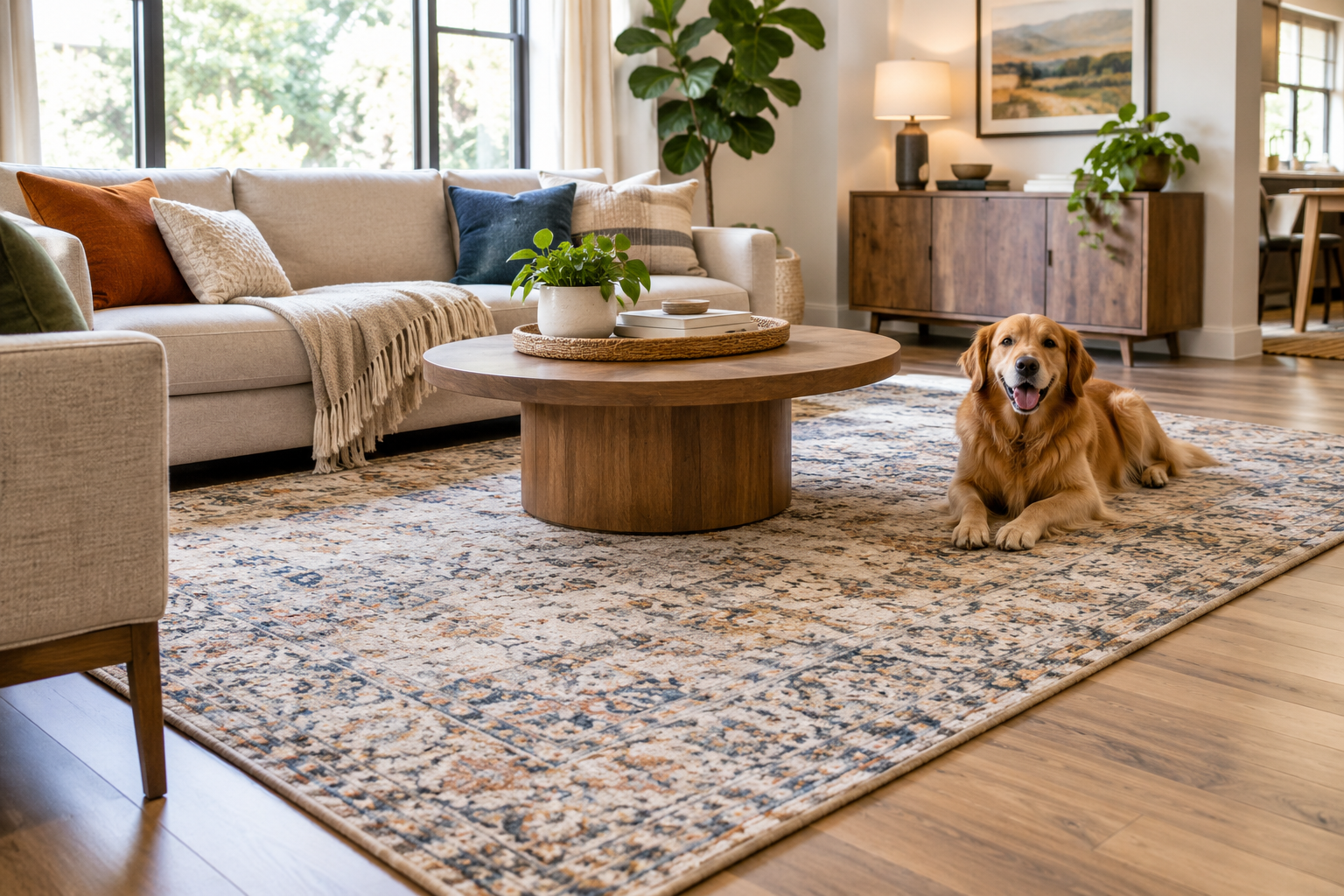
A living room rug can transform the look and feel of your space, but choosing the right rug is especially important when the room gets a lot of daily use. High traffic area rugs need to withstand frequent foot traffic, children, pets, furniture movement, and occasional spills without quickly losing their appearance or comfort.
So, how do you choose the right high traffic area rug for a busy living room?
The key is to look beyond appearance. Material, pile height, construction, size, pattern, and maintenance all play an important role in choosing a rug that looks stylish while standing up to everyday activity.
A high traffic living room needs a rug that can handle frequent walking without quickly showing wear. Look for rugs with:
The best choice will depend on how your household uses the room. A family with children and pets may have different needs from a home where the living room is mainly used for entertaining.
The material is one of the most important factors when choosing area rugs for busy spaces.
Wool rugs are a popular choice for living rooms because they offer durability, softness, and a timeless appearance. Quality wool can handle regular foot traffic while adding warmth and texture to a room.
Wool is a good option if you want a natural material with a premium look and comfortable feel.
Synthetic materials such as polypropylene and nylon are also practical options for high traffic areas. Depending on the rug’s construction, these materials can provide good everyday durability and easier maintenance.
They can be particularly useful for homes with children, pets, or frequent spills.
Jute and other natural fiber rugs can add texture and an organic look to your living room. However, always consider the cleaning and maintenance requirements before choosing a natural fiber rug for a heavily used area.
Low pile rugs are often a practical choice for high traffic living rooms.
Because the fibers are shorter, low-pile rugs are generally easier to vacuum and maintain. They also work well underneath sofas, coffee tables, and chairs without creating as much bulk.
Flat-weave rugs are another option for busy areas because they have little or no raised pile.
If comfort is your top priority, you may prefer a thicker rug. However, for a room that receives constant foot traffic, a low or medium pile can provide a good balance between comfort and practicality.
Material alone does not determine how durable a rug will be. Construction also matters.
When comparing rugs, look at:
A well-constructed rug can perform better under everyday use than a lower-quality rug made from a similar material.
For busy living rooms, choose durable rugs designed for regular household activity rather than selecting a rug based only on its appearance.
Your rug’s color and pattern can make a difference in how easily everyday dirt and wear are noticed.
For a high traffic living room, consider:
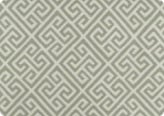
Patterned living room rugs can help make small marks and everyday dirt less noticeable than very light, solid-colored rugs.
However, don’t choose a color only for practicality. Your rug should also complement your sofa, flooring, walls, curtains, and overall interior style.
Choosing the right rug size is just as important as selecting the right material.
A rug that is too small can make a living room feel disconnected, while the right size can help bring your furniture together and define the seating area.
Popular living room rug sizes include:
Before buying, measure your room and consider the placement of your sofa, chairs, and coffee table.
For many living room layouts, placing the front legs of the furniture on the rug helps create a more connected appearance. Larger rugs can work particularly well in spacious or open-plan living rooms.
High traffic area rugs will naturally collect dust and dirt. Spills and stains are also more likely in busy households.
Before buying, check:
If you have children or pets, easy-to-clean rugs and practical synthetic options may be worth considering.
A rug that fits your cleaning routine will be easier to enjoy and maintain over the long term.
There is no single rug that is best for every home. However, a durable, low-pile area rug is often a practical choice for busy living rooms.
Wool rugs can be an excellent option if you want a natural, durable material. Synthetic rugs can be useful when easy maintenance and everyday practicality are priorities.
The best rug depends on your traffic level, household, budget, preferred style, and cleaning requirements.
Yes. Patterned rugs can be particularly useful in busy rooms because their designs can make minor dirt and everyday wear less noticeable.
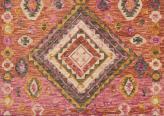
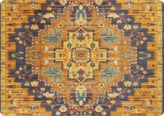
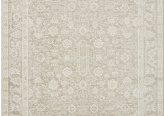
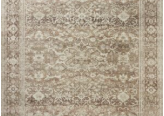
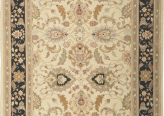
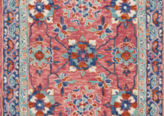
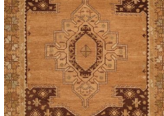
Traditional, vintage, geometric, and multicolor rugs can all work well in high-traffic living rooms.
The important thing is to combine the right pattern with a durable material and suitable construction.
Even a durable rug needs proper care. A few simple habits can help extend its life:
Vacuum regularly: Remove dust and dirt before they become embedded in the fibers.
Clean spills quickly: Follow the manufacturer’s cleaning instructions and address spills as soon as possible.
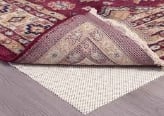
Use a rug pad: A suitable rug pad can help reduce movement and friction while providing additional cushioning.
Rotate the rug: Periodically rotating your rug can help distribute everyday wear more evenly.
Follow care instructions: Different materials require different cleaning methods, so always follow the manufacturer’s recommendations.
Choosing a rug for a high-traffic living room is about finding the right balance between style, durability, comfort, and maintenance.
Start by considering how your living room is used. Then look for a suitable material, practical pile height, durable construction, appropriate size, and a color or pattern that works with your lifestyle.
Whether you prefer the natural character of wool rugs, the practicality of synthetic rugs, or the texture of natural fibers, the right living room rug can make your space more comfortable and inviting while standing up to everyday use.
Explore Rug Expo‘s collection of area rugs, living room rugs, wool rugs, traditional rugs, and modern rugs to find a style that works for your home.
A durable low-pile or medium-pile rug is generally a practical choice. Wool, nylon, and polypropylene rugs can all be suitable depending on the home’s needs and the rug’s construction.
Yes. Low-pile rugs are generally easier to vacuum and maintain, making them a practical option for busy living rooms and other high-traffic areas.
Yes. Quality wool rugs offer durability, comfort, and a classic appearance, making them a popular choice for living rooms.
There is no single best color. Medium-tone and patterned rugs can make everyday dirt and minor marks less noticeable while complementing your interior décor.
The best size depends on the room and furniture arrangement. Common choices include 8 × 10 and 9 × 12 feet for larger seating areas, while smaller rooms may work well with 5 × 7 or 6 × 9 feet.



















































Leave a Comment