
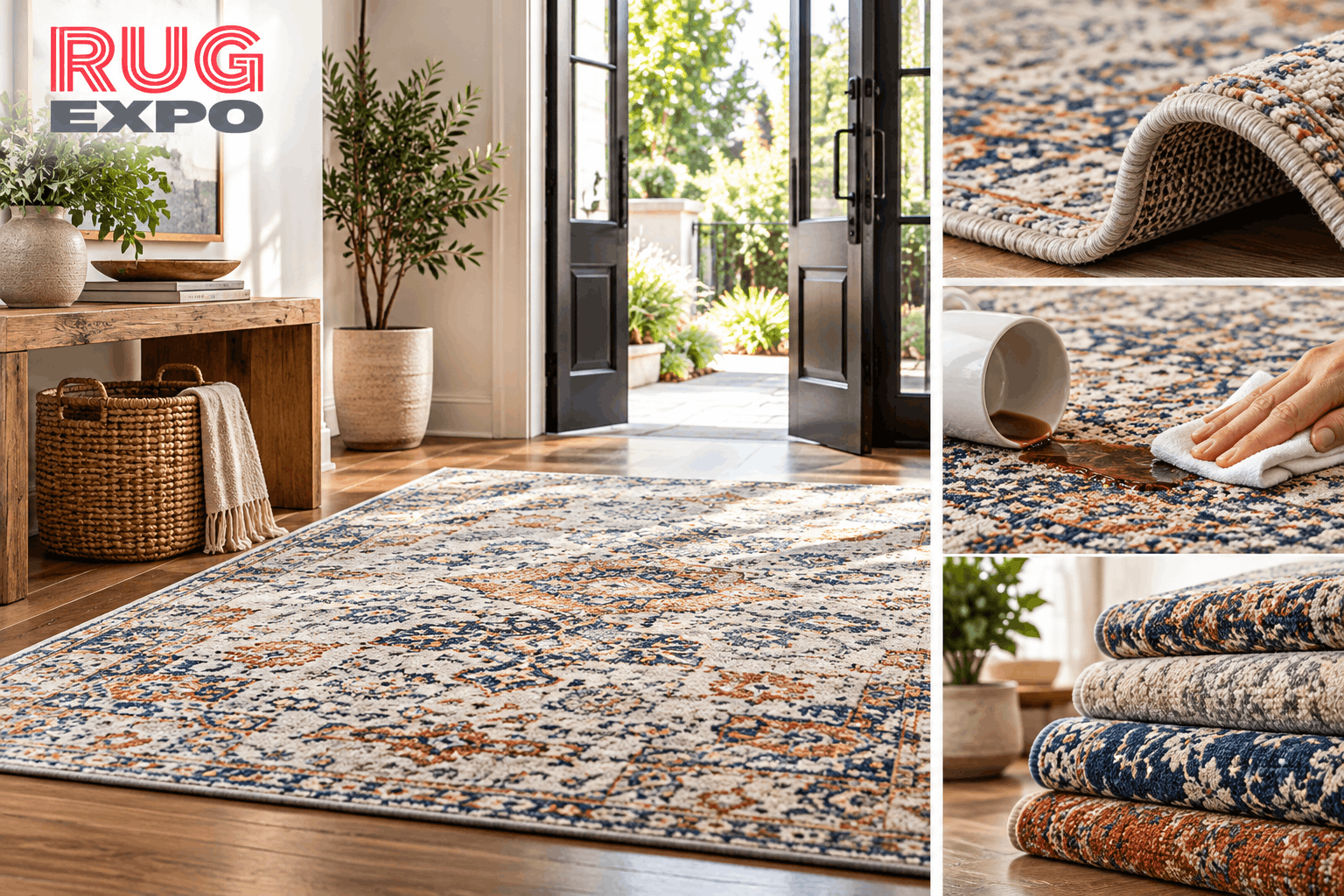
If you are looking for an area rug that is affordable, easy to maintain, and suitable for busy spaces, polypropylene rugs are worth considering. Polypropylene is a synthetic rug material known for its stain resistance, color retention, soft feel, and versatility.
But are polypropylene rugs durable? Do they feel comfortable underfoot? Are they easy to clean? And where should you use them?
This guide explains everything you need to know about polypropylene rugs, including their durability, feel, cleaning requirements, advantages, limitations, and best uses.
Polypropylene rugs are made from a synthetic fiber called polypropylene, also known as olefin. The material is commonly used in area rugs because it can resist stains, moisture, and fading while offering a soft texture at a relatively affordable price.
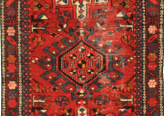
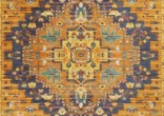
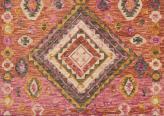
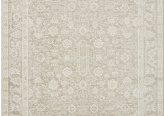
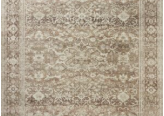
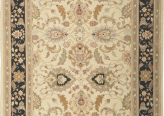
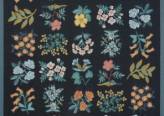
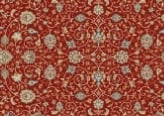
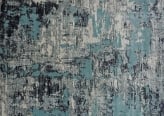
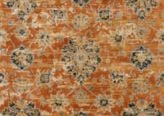
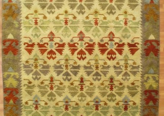
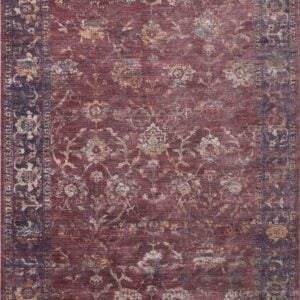
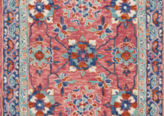
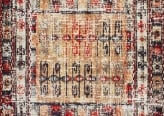
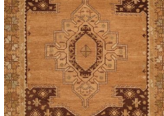
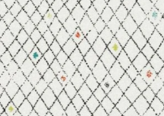
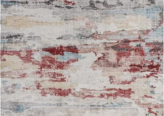
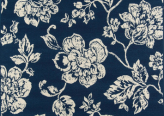
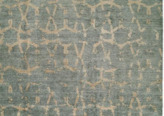
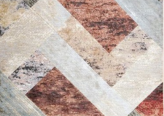
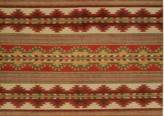
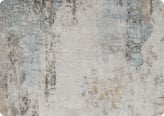
Polypropylene fibers can also be manufactured in different colors and patterns, making these rugs available in styles ranging from traditional and oriental-inspired designs to contemporary and modern patterns.
For homeowners looking for an attractive rug that can handle everyday use without requiring extensive maintenance, polypropylene can be a practical choice.
Yes, polypropylene rugs are generally durable and suitable for everyday use, particularly in areas where stain and moisture resistance are important.
The durability of a rug depends on several factors, including its construction, pile height, density, and how frequently it is used. A well-made polypropylene rug can perform well in busy areas of a home.
Polypropylene rugs are particularly useful for:
However, polypropylene is not necessarily the best choice for every situation. Heavy furniture, excessive foot traffic, improper cleaning, or prolonged exposure to harsh outdoor conditions can affect the rug over time.
One of the reasons polypropylene area rugs are popular is their relatively soft and comfortable feel.
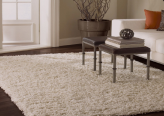
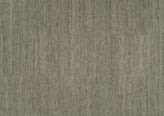
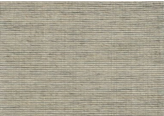
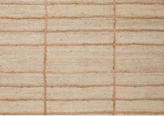
Depending on the rug’s construction, polypropylene can be made to resemble the appearance and texture of natural fibers. Some designs have a plush, soft surface, while others have a flatter and more structured feel.
If you want a rug that feels comfortable underfoot without the higher price associated with some natural fibers, polypropylene can be a good option.
Keep in mind that the feel varies considerably between rugs. When choosing a polypropylene area rug, consider the pile height and construction rather than judging the material alone.
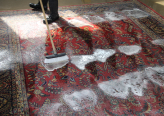
Yes. One of the biggest advantages of polypropylene rugs is that they are relatively easy to maintain.
The synthetic fibers are naturally resistant to many common stains and do not absorb moisture as readily as some natural rug fibers. This makes polypropylene a practical choice for households with children, pets, or frequent activity.
For routine maintenance:
Always check the care instructions for your specific rug before using cleaning products. Different rug constructions can have different cleaning requirements.
Also Read: How to Master Rug Routine Cleaning Without Damaging the Fibers
Understanding both the advantages and limitations can help you decide whether polypropylene is right for your home.
Stain resistant: Polypropylene fibers can resist many everyday stains, making them practical for busy households.
Easy maintenance: Regular vacuuming and prompt spill treatment can help keep polypropylene rugs looking their best.
Affordable: Polypropylene rugs are often available at a lower price than many comparable natural-fiber options.
Color variety: The material can be produced in a wide range of colors and patterns.
Moisture resistant: Polypropylene’s moisture resistance makes it useful in certain areas where spills and humidity are concerns.
Soft feel: Many polypropylene rugs provide a comfortable surface underfoot.
Polypropylene rugs also have some limitations. They can be less resistant to crushing and wear than some premium natural or high-performance synthetic fibers, depending on construction and usage.
Some polypropylene rugs may also be less suitable for areas exposed to intense, prolonged outdoor conditions. Heat, friction, and heavy use can affect their appearance over time.
The quality of the individual rug therefore matters. Fiber type is only one factor to consider when choosing an area rug.
Polypropylene rugs work particularly well in rooms where easy maintenance and everyday practicality are priorities.
Living Rooms
A polypropylene area rug can add color, pattern, and warmth to a living room while providing a comfortable surface for everyday activities.
Because spills can happen easily around dining tables, a stain-resistant rug can be a practical choice. Choose a pile height that allows chairs to move easily across the rug.
Entryways and High-Traffic Areas
For busy entryways and family spaces, polypropylene rugs can provide a balance between style and easy maintenance.
Homes With Children and Pets
Families often prioritize rugs that are easier to clean and maintain. Polypropylene’s stain and moisture resistance can make it a practical option for these households.
Covered Outdoor Spaces
Certain polypropylene rugs are designed for outdoor or semi-outdoor applications. If you plan to use one outside, check that the specific rug is intended for outdoor use and follow the manufacturer’s care recommendations.
Polypropylene and wool offer different characteristics.
Wool is a natural fiber known for its durability, resilience, luxurious feel, and ability to add warmth and texture to an interior. Polypropylene, on the other hand, is a synthetic material that is often chosen for its affordability, stain resistance, color variety, and easier maintenance.
The right choice depends on your priorities.
Choose polypropylene if affordability, easy maintenance, stain resistance, and everyday practicality are important.
Consider wool if you prioritize a natural material, premium feel, long-term investment, and traditional craftsmanship.
Before buying a polypropylene area rug, consider more than just its color or pattern.
Think about the room’s size, traffic level, furniture arrangement, and cleaning requirements. Measure your space first and select a rug size that complements the furniture rather than overwhelming the room.
You should also consider:
For high-traffic rooms, practical colors and patterns can help disguise everyday dirt between cleanings.
Also Read: How to Choose High Traffic Area Rugs for a Living Room
If you are shopping for polypropylene rugs in San Diego, Rug Expo offers a selection of area rugs in different styles, colors, and sizes.
Visiting a showroom can also make it easier to compare rug colors, textures, patterns, and sizes before making a purchase. You can explore available options and choose a rug that fits your room and lifestyle.
Shop Rug Expo‘s polypropylene area rugs to find a style that works for your space.
Final Thoughts
Polypropylene rugs offer a combination of durability, affordability, stain resistance, easy maintenance, and design flexibility, making them a popular choice for many homes.
They can work especially well in living rooms, dining areas, entryways, family spaces, and other areas where everyday practicality matters. However, choosing the right rug still requires considering its construction, size, pile, traffic level, and intended use.
If you are looking for an easy-care area rug with plenty of style options, a polypropylene rug can be a practical addition to your home.
Yes. Polypropylene rugs can be a practical choice for homeowners looking for an affordable, stain-resistant, easy-to-maintain area rug for everyday use.
Polypropylene rugs can be durable for everyday residential use. Their performance depends on construction, pile, traffic, and maintenance.
Regularly vacuum the rug and treat spills promptly by blotting them. Always follow the manufacturer’s specific cleaning instructions before using cleaning products.
Many polypropylene rugs have a soft and comfortable feel. Texture varies depending on the rug’s construction, pile, and manufacturing process.
They can be a practical option for homes with children and pets because polypropylene is generally stain and moisture resistant and relatively easy to maintain.
Some polypropylene rugs are designed for outdoor or covered outdoor use. Always confirm that the specific rug is suitable for outdoor applications before placing it outside.































Leave a Comment