
Shag rugs add warmth, softness, and texture to a living room, bedroom, or reading nook. However, their long, fluffy fibers can trap dust, crumbs, pet hair, and everyday dirt more easily than many low-pile rugs. Cleaning them incorrectly can leave the pile tangled, matted, or less comfortable underfoot.
The best way to clean a shag rug without flattening the pile is to remove loose dirt gently, treat spills promptly, avoid excessive moisture, and let the fibers dry completely. The right approach also depends on the rug’s material, backing, and care instructions.
Whether you have a wool, synthetic, or mixed-fiber shag rug, these practical steps can help you maintain its appearance and softness.
Shag rugs have long, deep fibers that create their distinctive fluffy texture. Dirt and debris can settle between these fibers, where ordinary surface cleaning may not reach them. Repeated foot traffic can also push the fibers together, causing the rug to look compressed or uneven.
Aggressive brushing, heavy vacuum pressure, excessive water, and harsh cleaning products can make these problems worse. Some rugs may also have delicate backing or fibers that react poorly to unsuitable cleaning methods.
Regular, gentle maintenance is therefore more effective than waiting until the rug becomes heavily soiled and attempting an intensive clean.
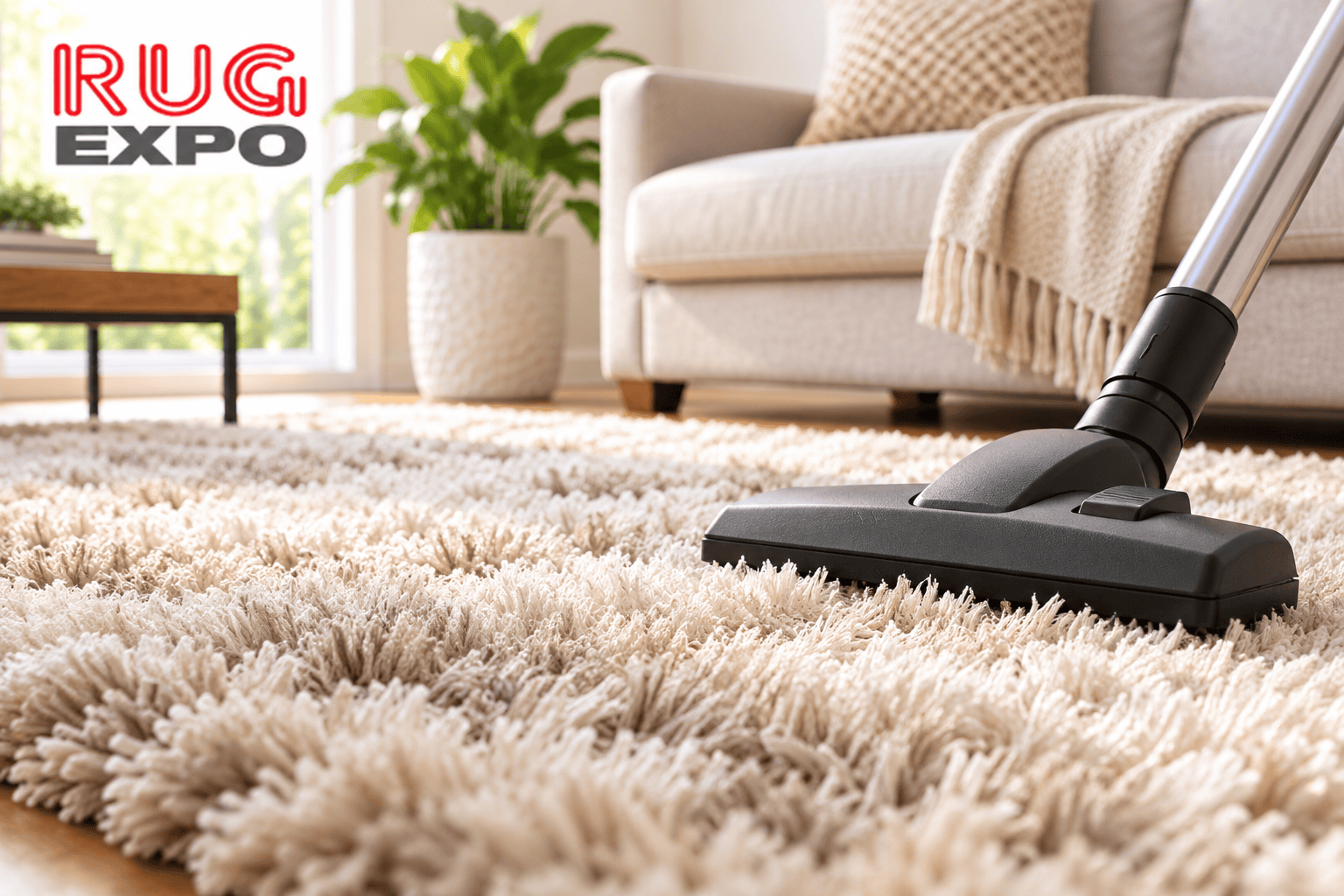
Vacuuming helps remove loose dust, crumbs, and debris before they become embedded deep within the rug. However, the wrong vacuum setting or attachment can pull at long fibers and damage their texture.
Follow these steps for safer vacuuming:
For high-pile rugs, vacuuming two to three times a week in busy areas may be useful, while less frequently used rugs may need cleaning less often. Adjust the routine according to foot traffic, pets, and visible dirt.
Also Read: How to Vacuum an Oriental Rug Without Damaging It
Spills can travel between the long fibers of a shag rug and become harder to remove if left untreated. Prompt action helps prevent stains from spreading and reduces the need for intensive cleaning.
First, remove any solid material carefully with a spoon or blunt edge. For liquid spills, use a clean, absorbent white cloth to blot the affected area. Work from the outside toward the center to limit spreading.
Avoid rubbing or scrubbing the fibers vigorously. This can push the spill deeper into the pile, distort the fibers, and make the affected area look matted.
If additional cleaning is necessary, check the rug’s care label and test a suitable cleaner on a hidden area first. Apply only the amount recommended for the material, and avoid soaking the rug or backing.
Different stains require different treatments. For example, oily spills, colored beverages, and pet accidents may need specialized products. If the stain persists or the rug is valuable or delicate, consult a rug-cleaning professional rather than repeatedly applying household cleaners.
Shag rugs can retain odors when dust, pet hair, food particles, or moisture accumulate in the pile. Regular vacuuming and prompt spill treatment are the first steps toward keeping a rug fresh.
Baking soda is sometimes recommended for deodorizing carpets, but it is not suitable for every shag rug. Fine particles can become trapped in deep fibers and may be difficult to remove completely. Before using any powder or deodorizer, check the manufacturer’s instructions and test a hidden section if the product is permitted.
Never use fragrance to mask a persistent musty smell. Lingering odors may indicate trapped moisture or contamination that requires more thorough attention.
If a rug becomes damp, address the moisture promptly. Prolonged dampness can encourage unpleasant odors and potentially lead to mold growth, particularly in the backing or flooring beneath the rug.
Whether you can steam clean or dry clean a shag rug depends on its construction and care requirements. There is no single method that is safe for every high-pile rug.
Steam cleaning: Do not assume that a household steam cleaner is suitable for shag rugs. Heat and moisture may affect certain fibers, dyes, adhesives, and backings. Deep pile can also take longer to dry. Use this method only if the rug manufacturer explicitly permits it and the equipment is appropriate for the rug.
Dry cleaning: Some rugs benefit from specialized low-moisture or professional cleaning methods, but the term “dry cleaning” does not mean every product marketed for dry use is automatically safe. Powders and solvents can leave residue or affect delicate fibers if used incorrectly.
Also Read: Dry Rug Cleaning Guide: How to Clean a Rug Without Washing It
Wet cleaning: Water-based washing may be appropriate for some rugs but unsuitable for others. Wool, natural fibers, dyed materials, and rugs with sensitive backings require particular care.
Always identify the material and review the care instructions before choosing a cleaning method. When the label is missing or the rug’s construction is uncertain, seek professional advice.
Also Read: Steam Clean vs Wash: What’s the Best Way to Clean Your Rug?
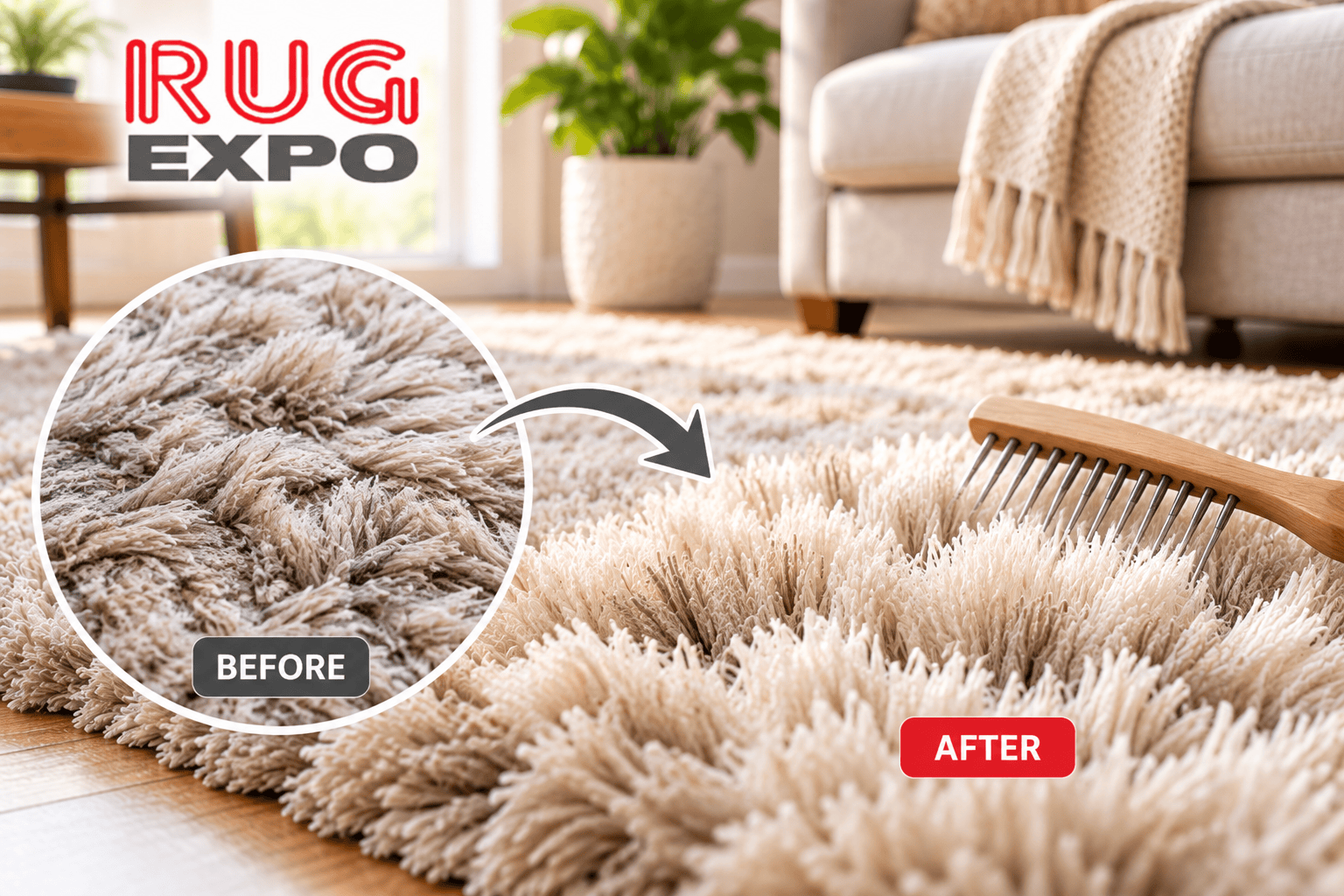
If a shag rug looks flat where people frequently walk or sit, its fibers may have become compressed or tangled. Gentle grooming can sometimes improve the appearance.
Start by vacuuming the area with an appropriate attachment. Once the rug is clean and dry, use your fingers or a soft, rug-safe brush to separate the fibers gently. Work in small sections without pulling or forcing tangled strands.
Avoid aggressive raking, hard scrubbing, or applying heat to fluff the pile. These methods may break fibers or damage the rug’s texture. Some compression caused by regular use is normal, and not every flattened area can be restored completely.
Rotating the rug periodically, where practical, can distribute foot traffic more evenly and help reduce localized wear.
To protect the rug’s appearance and extend its useful life, avoid these common mistakes:
A gentle routine and prompt attention to spills can help prevent many of these problems.
Also Read: How to Remove Common Rug Stains: A Complete Stain Removal Guide
Home maintenance is useful for removing everyday dust and handling minor spills, but it cannot always remove deeply embedded soil, persistent odors, or difficult stains.
Consider professional cleaning when your shag rug has widespread soiling, recurring odors, stubborn stains, significant matting, or fibers that require specialized treatment. Professional assessment is particularly helpful for valuable wool rugs, delicate natural fibers, and rugs with uncertain care requirements.
For homeowners in San Diego, local conditions and household habits can also influence rug maintenance. Sand and outdoor debris may enter the home, while strong sunlight through windows can contribute to fading over time. Regular vacuuming, sensible placement, and prompt spill treatment can help protect your rug between professional cleanings.
If your shag rug needs more than routine maintenance, explore Rug Expo’s professional rug cleaning service in San Diego to learn about available cleaning options.
Also Read: What Happens During a Professional Area Rug Cleaning?
Vacuum a shag rug more frequently in busy areas and less frequently in rooms with limited foot traffic. Two to three times a week may be appropriate for heavily used spaces, provided you use a suitable attachment and gentle settings.
Begin by removing loose debris with a suitable vacuum attachment. Blot spills with a clean cloth, use only a material-compatible cleaner when necessary, and avoid excessive moisture. Follow the rug’s care label for any deeper cleaning.
Yes, if the vacuum has a suitable setting or attachment. A suction-only tool is often preferable to a rotating brush that may pull at long fibers. Check the vacuum and rug manufacturers’ recommendations before cleaning.
Vacuum gently, then separate the fibers with your fingers or a soft, rug-safe brush when the rug is clean and dry. Avoid forceful brushing or heat, as these can damage the pile.
Professional cleaning may be needed for deep-seated dirt, persistent odors, difficult stains, or significant matting. The appropriate cleaning method depends on the rug’s material, dye stability, backing, and overall condition.
Cleaning a shag rug without flattening its pile starts with gentle vacuuming, careful spot treatment, and proper drying. Avoid harsh brushes, excessive moisture, and untested cleaning products, and always consider the rug’s material before choosing a cleaning method.
With consistent maintenance and professional help when necessary, you can preserve the comfort and appearance of your shag rug for years to come.


Enjoy a complimentary professional rug cleaning with your qualifying in-store rug purchase.
Error: Contact form not found.
We'll use your details to send your voucher and
manage this offer.
Marketing updates are optional.







































Leave a Comment