
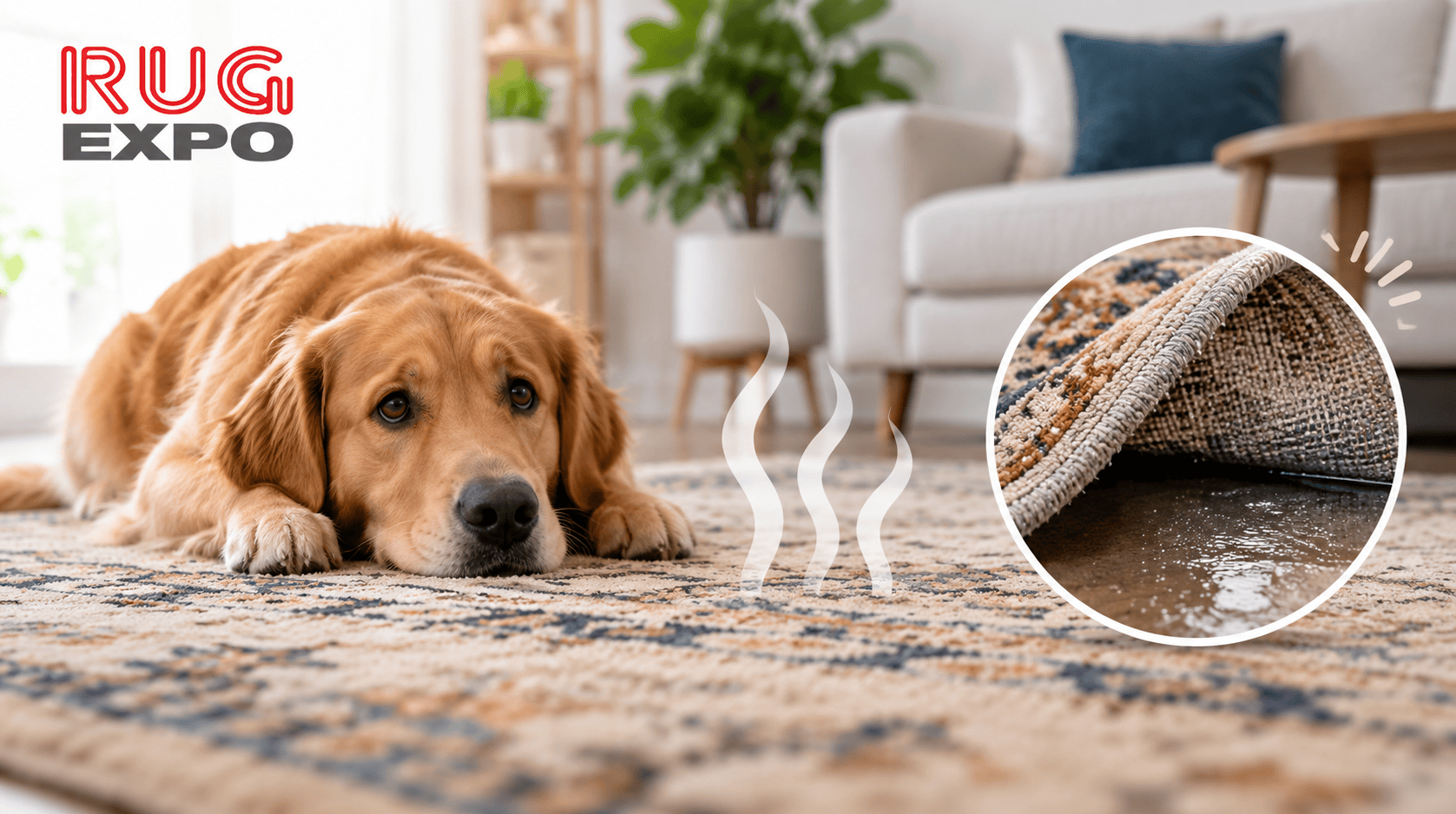
Have you noticed an unpleasant smell coming from your rug after cleaning? A rug may smell musty, sour, or even worse after washing. This can happen when moisture remains trapped in the fibers, old stains resurface, or cleaning products leave residue behind.
If you are wondering, why does my rug smell after cleaning, the cause often depends on the rug’s material, how it was cleaned, and how thoroughly it dried. Identifying the source of the odor is the first step toward removing it safely.
In this guide, we explain six common causes of rug odors after cleaning, practical solutions, and when professional rug cleaning may be necessary.
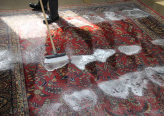
A rug can develop an unpleasant odor after cleaning when moisture, dirt, pet urine, or cleaning residue remains trapped in its fibers or backing. In some cases, cleaning brings old contaminants closer to the surface, making an existing odor more noticeable.
The most common causes include:
Understanding which issue is affecting your rug helps you choose the right solution without damaging its fibers.
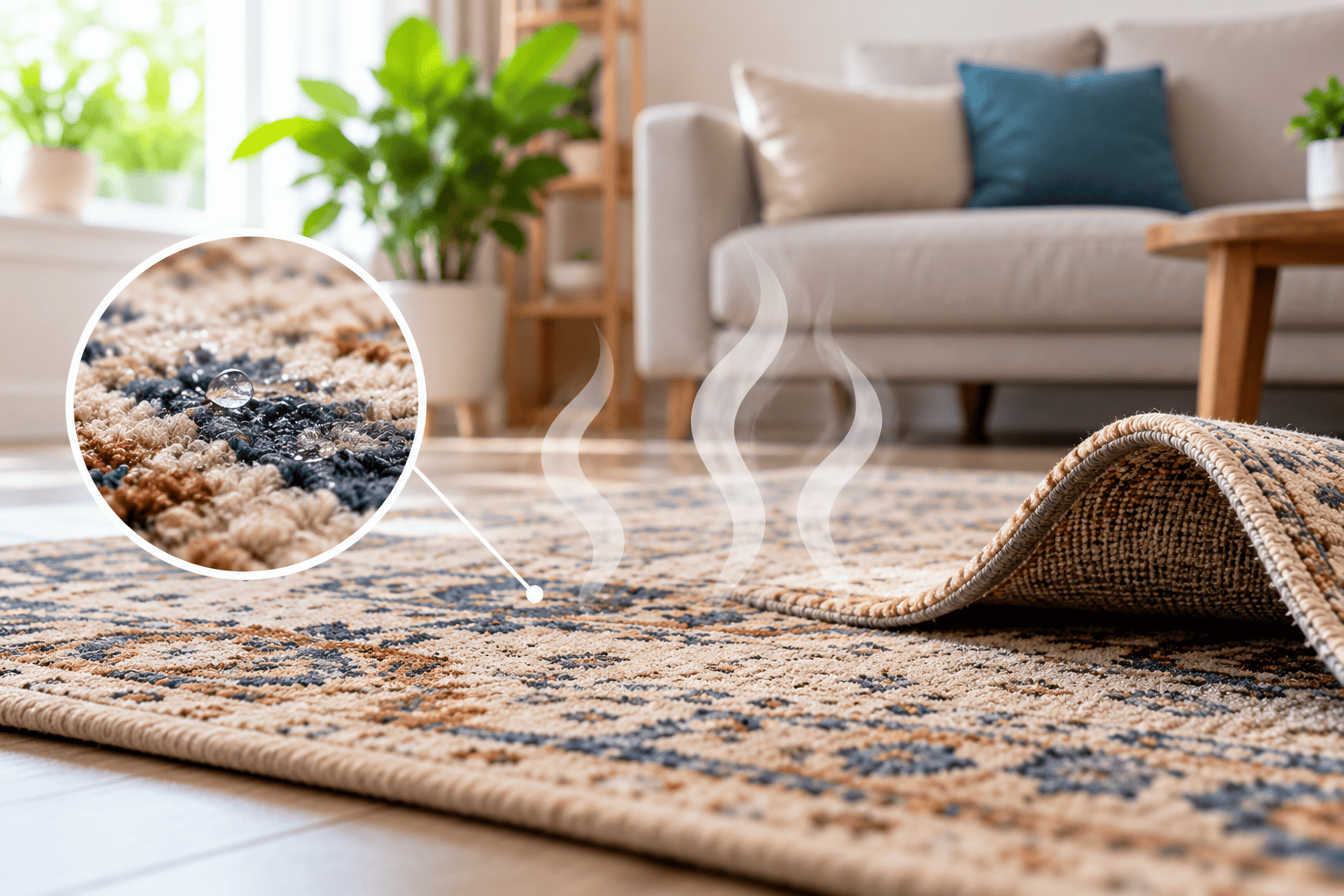
One of the most common reasons a rug smells after cleaning is incomplete drying. When water remains trapped in thick fibers, the backing, or the rug’s foundation, it can create a musty smell.
This is especially common with thick wool rugs, dense area rugs, and rugs cleaned in rooms with limited airflow. High indoor humidity can also slow the drying process.
If the rug continues to smell musty or remains damp after an extended drying period, arrange a professional inspection. Prolonged moisture can damage some rug materials and may encourage microbial growth.
Pet urine is another common reason a rug develops an unpleasant smell after cleaning. Urine can penetrate beyond the visible surface and reach the rug’s backing or underlying floor.
Surface cleaning may remove visible stains without fully removing the odor-causing residue. When moisture returns during cleaning, previously unnoticed odors can become stronger.
Food spills, vomit, and other organic stains may cause similar problems.
Avoid soaking wool, silk, antique, or delicate rugs with household cleaning solutions. These materials may require specialized treatment to prevent color bleeding, fiber damage, or shrinkage.
Also Read: Will Professional Rug Cleaning Remove Pet Stains?
Using too much detergent or failing to rinse a rug properly can leave residue behind. This residue may attract dust and dirt, make the fibers feel sticky, and contribute to an unpleasant smell over time.
Some cleaning products also have strong fragrances that mix with existing odors rather than eliminating their source.
Follow the cleaning product’s instructions and use only the recommended amount. If you suspect detergent buildup, do not repeatedly apply more cleaner or rinse the entire rug without checking its material and construction.
For delicate or valuable rugs, professional cleaning may be the safest option. A trained cleaner can assess whether residue is present and determine an appropriate rinsing method.
A rug can look clean while still holding dust, oils, food particles, and other contaminants deep within its pile. Regular vacuuming removes loose debris from the surface, but it may not address everything trapped inside the rug.
When water is introduced during cleaning, these contaminants can release unpleasant odors. This is one reason an older rug may smell worse immediately after washing.
Vacuum the rug regularly using a setting appropriate for its material. Avoid aggressive brushing or strong suction on delicate fibers and fringes.
If the smell returns after routine cleaning, consider a professional assessment. The rug may need a deeper cleaning process suited to its fiber type, construction, and condition.
Also Read: How to Vacuum an Oriental Rug Without Damaging It
Not every rug can be cleaned in the same way. Wool, silk, cotton, synthetic fibers, and hand-knotted rugs can respond differently to water, heat, agitation, and cleaning chemicals.
Using excessive water, harsh detergents, or an unsuitable cleaning technique can leave a rug damp for too long or damage its fibers and dyes. A rug that is not properly rinsed and dried may also develop persistent odors.
Always check the rug’s care label and consider its material before cleaning. Avoid using steam, strong chemicals, or aggressive scrubbing unless the method is appropriate for the specific rug.
For Persian rugs, Oriental rugs, antique rugs, and other delicate pieces, consult a specialist familiar with their construction and dye stability. The right cleaning method helps protect the rug while addressing the source of the smell.
Sometimes, the odor does not come from the rug itself. Moisture may become trapped in the rug pad, carpet underneath, or hard flooring below the rug.
This can happen when a rug is placed back on the floor before it has dried completely. A damp pad can continue producing a musty smell even after the rug’s surface feels dry.
Carefully lift the rug and inspect the underside and the floor beneath it. If the rug pad is damp, allow it to dry completely if it is suitable for reuse. Replace a pad that remains contaminated or develops persistent odors.
Make sure both the rug and the floor are fully dry before putting the rug back in place. If the flooring remains damp or shows signs of damage, investigate the source of the moisture.
Also Read: How to Remove Common Rug Stains: A Complete Stain Removal Guide
Preventing odors is usually easier than treating them after they develop. A few simple precautions can help keep your rug fresh.
If your rug develops a persistent musty smell, avoid masking it with air fresheners. Addressing the source of the odor is more effective than covering it up.
Professional cleaning may be appropriate when a rug continues to smell after drying, pet urine has penetrated the backing, or detergent residue cannot be removed safely at home.
It is also worth considering professional care for wool rugs, silk rugs, Persian rugs, Oriental rugs, and other valuable or delicate pieces. Their materials and construction may require specialized cleaning and controlled drying.
For homeowners in San Diego, professional rug cleaning can help address stubborn odors while protecting the rug’s appearance and condition. An experienced cleaner can assess the material, identify possible sources of the smell, and recommend a suitable treatment.
At Rug Expo, you can explore professional rug cleaning services when home cleaning methods are not enough. The right approach depends on the rug’s condition and the cause of the odor.
Also Read: What Happens During a Professional Area Rug Cleaning?
A musty smell often indicates that moisture remains trapped in the rug’s fibers or backing. Slow drying and poor ventilation can contribute to the problem. Check the underside and allow the rug to dry thoroughly.
Drying time varies depending on the rug’s thickness, material, cleaning method, airflow, and humidity. A thin synthetic rug may dry relatively quickly, while a thick wool rug can take considerably longer. Always check that the backing is dry before returning the rug to normal use.
Baking soda may help absorb some surface odors, but it will not reliably eliminate deep pet urine contamination or moisture-related problems. Fine powder can also be difficult to remove from certain rug constructions. Check the manufacturer’s care instructions before using it.
Not necessarily. Repeated washing can add moisture and make the problem worse. First, identify whether the smell comes from trapped water, cleaning residue, pet stains, or the underlying pad. If the odor persists, seek professional advice before cleaning again.
Take persistent musty odors seriously, particularly if the rug remains damp, shows visible discoloration, or has been exposed to prolonged moisture. Stop using the affected area if you suspect mold growth, address the moisture source, and consider professional assessment.
If your rug smells after cleaning, the solution starts with identifying the source. Trapped moisture, pet stains, detergent residue, and contaminants deep within the fibers can all contribute to lingering odors.
Allow the rug to dry completely, avoid harsh DIY treatments, and seek professional help when the smell persists. With the right cleaning method and proper drying, you can help protect your rug and keep it looking and smelling fresh for longer.







































Leave a Comment