
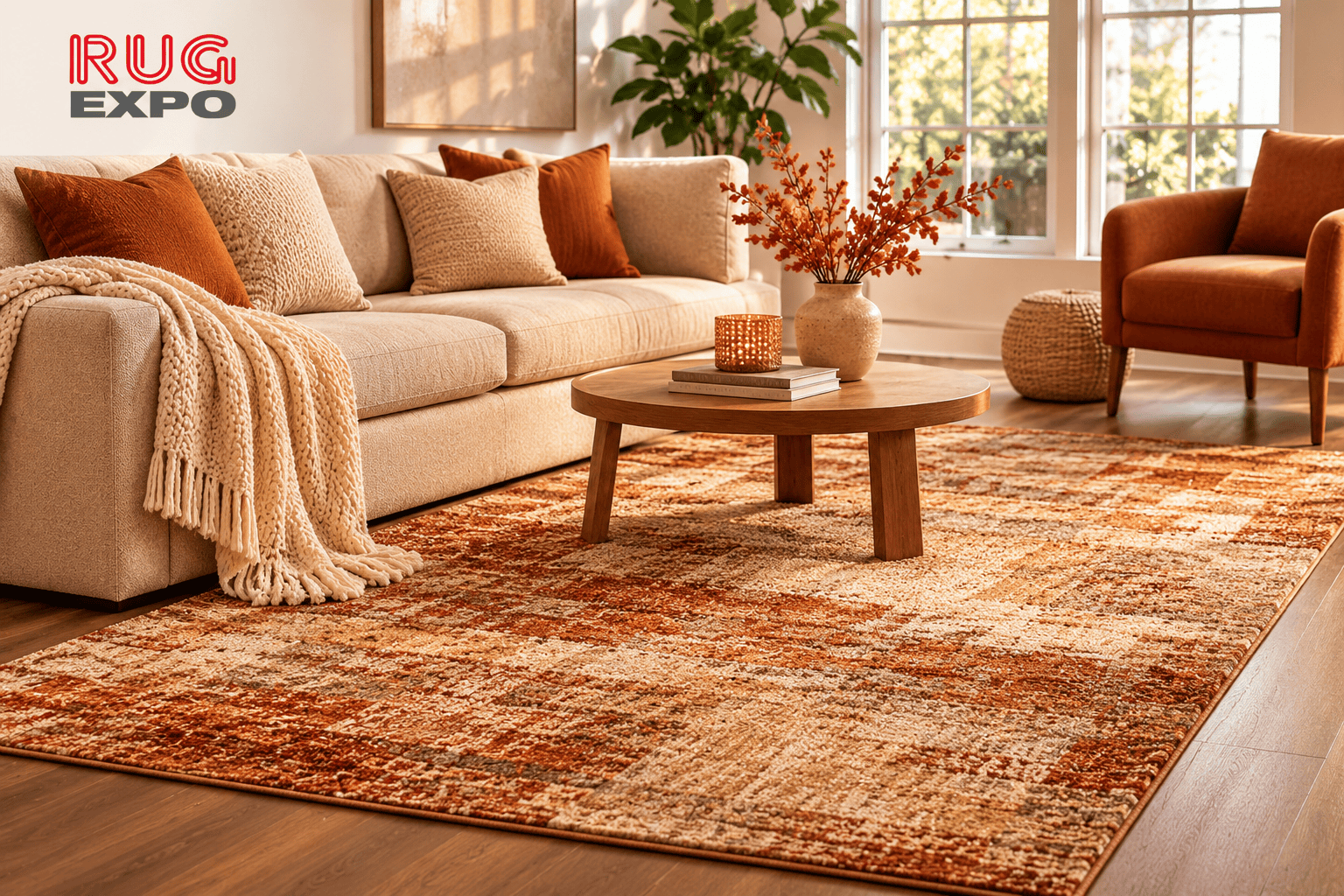
The right area rug can change how a room looks without requiring new furniture or a complete interior makeover. While cool grays and crisp neutrals have long been popular in contemporary interiors, warm-toned area rugs offer another way to bring color, depth, and character into a space.
From soft beige and caramel to rich brown and terracotta, these shades work across a range of decorating styles. Some create a subtle foundation for neutral interiors, while others introduce a stronger visual element.
Whether you’re furnishing a living room, updating a bedroom, or adding character to an open-plan space, understanding warm colors, materials, and patterns can help you find a rug that complements your home.
Warm-toned area rugs feature colors associated with natural elements such as earth, wood, clay, and sunlight. They generally have yellow, red, orange, or golden undertones that give a room a warmer appearance.
Some popular warm rug colors include:
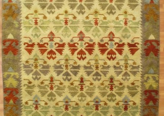
Beige and sand: Soft, understated shades that work with many interior palettes.
Brown and caramel: Rich colors that complement wooden furniture and natural finishes.
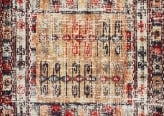
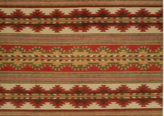
Terracotta and rust: Earthy reddish-orange shades that add character.
Camel and tan: Versatile mid-tones that balance light and dark furnishings.
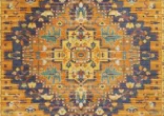
Ochre and mustard: Golden shades that introduce a stronger color accent.
These colors can appear in solid designs, traditional patterns, abstract compositions, and multicolored rugs.
Choosing a warm-toned rug becomes easier when you understand how different shades affect the overall appearance of a room.
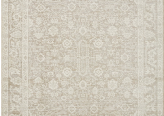
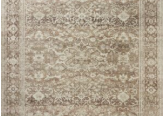
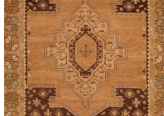
Brown and beige area rugs are versatile options for homes with wooden furniture, cream upholstery, and neutral walls.
Beige creates a lighter foundation, while brown introduces more depth and contrast. Combining both shades in a patterned rug can add visual interest without making the floor look overly decorative.
These combinations work particularly well in contemporary, transitional, rustic, and traditional interiors.
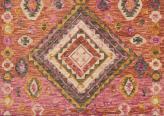
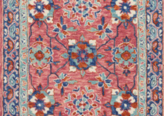
Terracotta area rugs are known for their earthy reddish-orange appearance. Inspired by natural clay, this shade can bring warmth and a distinctive color accent to otherwise neutral rooms.
Terracotta works well with cream walls, light oak furniture, natural wood finishes, and muted green accessories.
For a balanced look, consider a terracotta rug with subtle beige or ivory details rather than an entirely solid, saturated design.
Warm neutral rugs include shades such as oatmeal, ivory, sand, camel, and warm taupe.
Unlike cooler gray-based neutrals, these colors have softer golden or brown undertones. They are useful when you want a rug that blends naturally with existing furniture without becoming the main focal point.
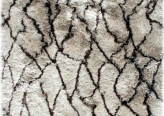
Textured weaves and understated patterns can make neutral rugs more visually interesting while keeping the overall appearance simple.
Color is only one part of choosing an area rug. The material also influences its texture, surface appearance, and overall feel.
Here are some commonly available options:
Wool: Wool rugs are valued for their natural texture, softness, and rich appearance. They are available in traditional patterns, subtle neutrals, and contemporary designs. Wool can be a good choice when you want a rug with a classic, substantial feel.
Jute and natural fibers: Jute rugs have a distinctive woven appearance with natural variations in color. Their earthy texture complements warm wood, linen upholstery, and relaxed interiors. They are often chosen for casual and organic-inspired spaces.
Synthetic fibers: Materials such as polypropylene and polyester offer a wide variety of colors, patterns, and finishes. They are worth considering when you want more design choices at different price points.
Cotton: Cotton rugs are available in lighter constructions and casual designs. Their relatively simple appearance works well in relaxed spaces where a less formal look is preferred.
The best material depends on the room, desired texture, cleaning requirements, and how you plan to use the rug.
Also Read: Buying a Rug? Here’s How Every Rug Material Really Holds Up
One advantage of warm-colored rugs is their flexibility. The same color family can look quite different depending on the furniture, patterns, and materials surrounding it.
Here are some combinations to consider:
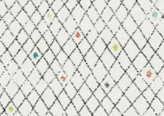
Modern interiors: Choose a beige or camel rug with a subtle geometric pattern. Pair it with clean-lined furniture and simple accessories.
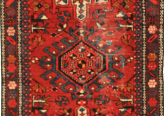
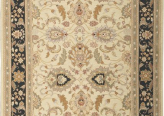
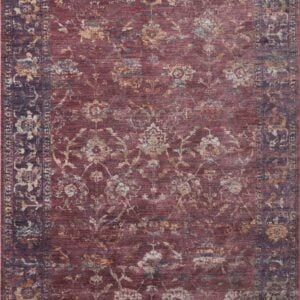
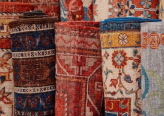
Traditional interiors: Brown, rust, and terracotta rugs with Persian-inspired motifs can complement wooden furniture and detailed furnishings.
Rustic interiors: Jute, tan, and earthy brown rugs work naturally with exposed wood, stone, and textured fabrics.
Minimalist interiors: A solid warm beige or ivory rug can soften a simple room without introducing too many decorative elements.
Transitional interiors: Look for rugs that combine brown, beige, and muted rust to connect traditional furniture with contemporary finishes.
The goal is to create a relationship between the rug and the existing room rather than matching every element exactly.
The right shade can also depend on where the rug will be placed.
Living rooms: Brown and beige rugs can provide a balanced foundation beneath sofas and coffee tables. If your furniture is neutral, a terracotta or rust-patterned rug can introduce a noticeable accent.
Bedrooms: Oatmeal, camel, and soft beige rugs work well with upholstered beds, wooden furniture, and warm lighting. Consider a softer texture for a more comfortable feel underfoot.
Dining rooms: Look for designs that complement your dining table and surrounding furniture. Multicolored patterns containing brown, rust, or beige can connect different finishes within the space.
Entryways and hallways: Mid-brown, rust, and patterned warm-toned runners can complement wooden flooring and create a welcoming entrance.
Before choosing a rug, look at the colors and finishes already present in the room.
Check the undertones: A beige rug with golden undertones may complement warm wooden flooring, while a cooler gray-beige can look disconnected from the same surroundings.
Consider the flooring: Light wood floors pair well with caramel, rust, and medium-brown rugs. Darker floors can benefit from beige, ivory, or lighter terracotta designs that provide contrast.
Balance patterns: If your furniture or curtains already have prominent patterns, consider a simpler rug. For plain furniture, a patterned design can introduce more visual interest.
Look at natural lighting: Rug colors can appear different under daylight and artificial lighting. If possible, view the rug in the room where it will be used before making a final decision.
Consider the overall size: The rug should suit the furniture arrangement and available floor space. Measure the area before purchasing to avoid choosing a design that feels too small or overwhelming.
Also Read: How to Choose High Traffic Area Rugs for a Living Room
Common warm tones include beige, camel, tan, brown, caramel, terracotta, rust, ochre, and mustard. These shades typically have yellow, red, orange, or golden undertones.
Yes. Brown and beige rugs work well in modern interiors because they complement wood finishes, neutral furniture, and simple decorative elements. Geometric and abstract patterns can give these traditional colors a more contemporary appearance.
Yes. Terracotta pairs particularly well with cream, beige, ivory, and light gray upholstery. It introduces color without requiring major changes to the rest of the room.
Neither is universally better. Warm neutrals such as sand, oatmeal, and camel can complement wood and earthy finishes, while gray rugs may suit cooler contemporary color schemes. Your existing furniture, flooring, and preferred interior style should guide the choice.
Wool, jute, cotton, polypropylene, and polyester are all available in warm color palettes. Choose according to the texture you prefer, the room’s requirements, maintenance needs, and budget.
Warm-toned area rugs offer plenty of design possibilities, whether you prefer understated beige, rich brown, or expressive terracotta. The right choice depends on how the color, material, pattern, and size work with your existing interior.
Instead of choosing a rug based on color alone, consider the overall room palette and the atmosphere you want to create.
At Rug Expo in San Diego, explore a variety of area rugs, traditional designs, contemporary styles, and different color options to find a rug that complements your home.





































Leave a Comment