
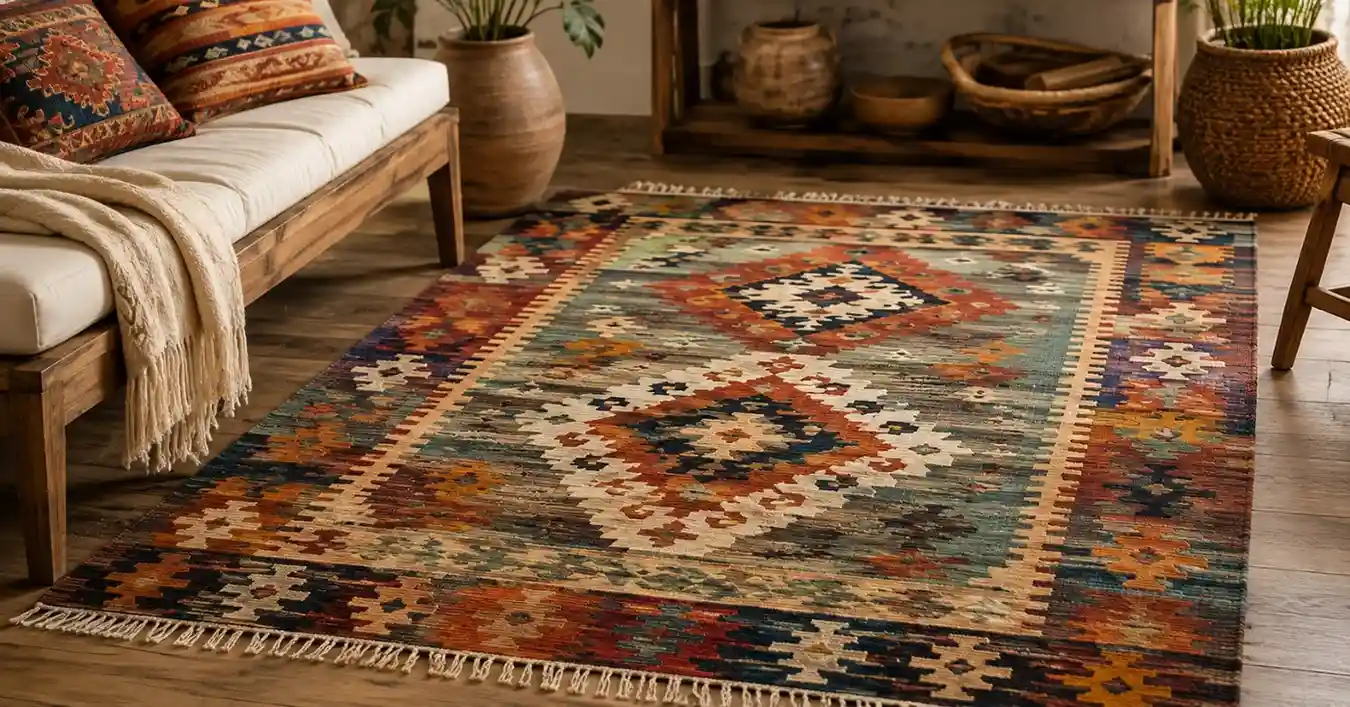
Choosing a Kilim rug is about more than selecting a beautiful pattern—it’s about investing in authentic craftsmanship, quality materials, and lasting value. However, while machine-made Kilim-style rugs have become increasingly popular due to their lower prices, they often lack the durability, character, and artistry of genuine hand-woven Kilim rugs. For homeowners, collectors, and interior designers, knowing how to distinguish a handmade Kilim from a machine-made imitation can help you make a confident purchasing decision.
Authentic hand woven Kilim rugs are created by skilled artisans using traditional flatweave techniques that have been passed down through generations. Each rug tells a story through its unique patterns, natural fibers, and handcrafted details. Machine made versions may resemble these traditional designs but are manufactured quickly using synthetic materials and automated equipment.
This guide explains the key characteristics that separate authentic hand woven Kilim rugs from machine made alternatives, helping you recognize genuine craftsmanship before making your investment.
A hand woven Kilim rug can be identified by its flatweave construction, natural wool fibers, hand woven fringe, slight pattern variations, and visible craftsmanship on both sides of the rug. Machine made Kilim rugs typically feature perfectly uniform designs, synthetic materials, sewn-on fringe, and machine finished edges. Examining the rug’s weave, texture, materials, and construction is the most reliable way to determine whether it is genuinely handmade.
A hand woven Kilim rug is a flatweave created without knots. Instead, skilled artisans interlace warp and weft threads to produce a lightweight yet durable textile with distinctive geometric or tribal-inspired patterns. Unlike traditional pile rugs, Kilims have a smooth, reversible surface that showcases the same design on both sides.
Originating in regions such as Turkey, Iran, Afghanistan, Pakistan, and India, Kilim rugs have been woven for centuries and remain highly valued for their craftsmanship, versatility, and cultural significance. Their lightweight construction makes them suitable for living rooms, dining rooms, bedrooms, hallways, and entryways, while their timeless patterns complement both traditional and modern interiors.
Why Authenticity Matters
Buying an authentic hand woven Kilim rug offers far more than decorative appeal. Handmade rugs are crafted using traditional techniques and quality materials that contribute to their beauty, durability, and long-term value. While machine made rugs may initially appear similar, they rarely provide the same level of craftsmanship or longevity.
For homeowners seeking a rug that combines beauty with lasting performance, an authentic Kilim is a worthwhile investment.
Although both styles may look similar at first glance, several important differences become apparent upon closer inspection.
| Feature | Hand Woven Kilim | Machine Made Kilim |
| Construction | Hand woven flatweave | Machine woven |
| Materials | Wool, cotton, natural fibers | Mostly synthetic fibers |
| Pattern | Slight variations | Perfectly identical |
| Fringe | Part of the rug structure | Sewn on after production |
| Texture | Natural, handcrafted feel | Uniform surface |
| Durability | Excellent | Moderate |
| Repairable | Yes | Limited |
| Investment Value | High | Low |
The combination of traditional weaving techniques and natural materials gives authentic Kilims a character that machine made rugs cannot fully replicate.
Understanding these characteristics will help you recognize genuine craftsmanship and avoid confusing handmade rugs with machine made reproductions.
One of the easiest ways to identify a handmade Kilim is by looking at its reverse side. Because Kilim rugs are flatwoven rather than knotted, both sides should display nearly identical patterns and colors. There should be no glued backing or fabric covering the construction.
Machine made rugs often include additional backing materials or coatings that conceal the weaving process.
Handmade rugs are woven individually by artisans, making minor variations completely normal. You may notice small differences in spacing, motif alignment, or color placement throughout the rug.
These subtle irregularities are not flaws—they’re evidence of authentic hand craftsmanship. In contrast, machine made rugs display perfectly repeated patterns with identical spacing across the entire design.
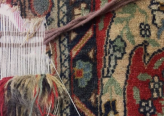
The fringe provides another reliable clue. On authentic hand woven rugs, the fringe is created from the rug’s foundation threads and is woven directly into the structure of the rug.
Machine made rugs often have fringe that is stitched or glued onto the edges after manufacturing. Carefully inspecting how the fringe connects to the rug can reveal whether it is genuinely handmade.
Authentic Kilim rugs usually have a natural texture that reflects the characteristics of wool or cotton fibers. They feel substantial yet flexible and may include slight variations in thickness due to hand weaving.
Machine made rugs generally have a smoother, more uniform texture because synthetic fibers and automated production create consistent results.
The edges of a hand woven Kilim are typically hand-finished and may show small variations that reflect the artisan’s craftsmanship. While these edges remain strong and durable, they rarely appear perfectly uniform.
Machine made rugs usually feature precisely stitched edges that are identical from one end to the other. Perfect consistency often indicates machine production rather than handmade construction.
The materials used in a Kilim rug are one of the strongest indicators of authenticity. Traditional hand woven Kilims are typically made from 100% wool, cotton, or a combination of both. Wool provides durability, softness, and natural stain resistance, while cotton is often used for the foundation because of its strength and flexibility.
Machine made Kilim rugs are commonly manufactured using polypropylene, polyester, nylon, or other synthetic fibers. These rug materials may look attractive initially but often lack the texture, resilience, and long-term value of natural fibers. A genuine wool Kilim feels warm, slightly textured, and soft, whereas synthetic rugs usually feel smoother and more uniform.
One of the most desirable characteristics of an authentic hand woven Kilim is abrash, a natural variation in color that occurs when artisans dye wool in small batches using traditional techniques. These subtle shifts in shade add depth and personality to the rug, making every piece unique.
Machine made rugs use computerized dyeing processes that produce perfectly consistent colors across the entire surface. While uniform coloring may appear flawless, the absence of abrash often indicates machine production rather than handmade craftsmanship.
Authentic handmade Kilim rugs are woven entirely by hand, so slight variations in size or symmetry are normal. One edge may be marginally wider, or the geometric patterns may not align with perfect precision. These small inconsistencies are a hallmark of genuine craftsmanship rather than defects.
Machine made rugs are produced using automated machinery that creates perfectly symmetrical dimensions and precisely repeated designs. If a rug appears completely identical from every angle, it is more likely to be machine made.
The origin of a Kilim rug can provide valuable insight into its authenticity. Many of the world’s finest hand woven rugs come from regions with centuries-old weaving traditions.
| Country | Known For |
| Turkey | Bold tribal patterns, geometric motifs |
| Iran | Fine craftsmanship, traditional Persian influences |
| Afghanistan | Earthy colors, durable wool |
| Pakistan | Fine flatweaves with detailed weaving |
| India | Excellent craftsmanship and value |
Turkey
Turkish Kilims are celebrated for their bold geometric motifs, vibrant colors, and tribal heritage. They remain some of the most recognizable handmade flatweave rugs in the world.
Iran (Persia)
Persian Kilims are known for their refined craftsmanship, balanced designs, and exceptional weaving quality. Many feature intricate regional patterns that reflect generations of artisan expertise.
Afghanistan
Afghan Kilims are admired for their earthy color palettes, durable wool construction, and distinctive tribal designs, making them popular in both traditional and contemporary interiors.
Pakistan
Pakistani Kilims often blend traditional craftsmanship with elegant geometric motifs. Their fine weaving and durable materials make them a practical choice for everyday living spaces.
India
Indian artisans produce beautiful hand woven Kilims inspired by Persian, Turkish, and tribal traditions. These rugs offer excellent craftsmanship and exceptional value while maintaining the authenticity of handmade weaving techniques.
Even experienced buyers can find it difficult to distinguish authentic handmade rugs from high-quality machine made reproductions. Purchasing from a reputable rug retailer provides added confidence that you’re investing in genuine craftsmanship.
Trusted rug dealers can explain the rug’s origin, construction, materials, and maintenance requirements while offering authenticity guidance, professional appraisals, and long-term rug care services. Choosing an established retailer also provides better support if you need cleaning, restoration, or repairs in the future.
| Material | Authenticity | Durability | Appearance | Best For |
| Wool | Excellent | Excellent | Rich, Natural Texture | Authentic Handmade Kilims |
| Cotton | Excellent | Very Good | Soft & Flexible | Rug Foundation |
| Wool Blend | Very Good | Very Good | Natural Look | Everyday Living |
| Synthetic Fibers | Low | Moderate | Uniform Appearance | Budget-Friendly Rugs |
Purchasing a Kilim rug is an investment, and avoiding a few common mistakes can help ensure you choose an authentic handmade piece that will last for years.
Taking the time to examine these details helps you make a more informed buying decision and protects your investment.
Selecting an authentic hand-woven Kilim becomes much easier when you can compare different rugs in person and receive expert guidance. At Rug Expo, homeowners can explore one of Southern California’s largest collections of handmade rugs while also learning how to recognize authentic craftsmanship.
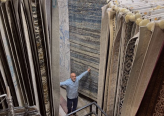
In addition, our 10,000+ rug showroom features a carefully curated selection of hand-woven Kilim, flatweave, Persian, Oriental, tribal, transitional, and contemporary rugs in popular sizes, including 5×8, 8×10, 9×12, runners, and oversized area rugs. Furthermore, our knowledgeable team helps customers understand rug construction, materials, weaving techniques, and sizing so they can purchase with confidence.
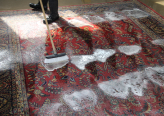
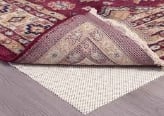
Beyond rug selection, Rug Expo also offers professional rug cleaning, repair, restoration, appraisal services, and premium rug pad recommendations. As a result, customers can rely on Rug Expo for comprehensive rug care and guidance before and after their purchase.
As a result, customers can rely on Rug Expo for comprehensive rug care and guidance before and after their purchase.
These services help preserve the beauty, value, and longevity of your handmade investment for generations.
Look for a reversible flatweave construction, hand woven fringe, natural wool fibers, slight pattern variations, and minor irregularities that indicate artisan craftsmanship.
Yes. Handmade Kilim rugs offer superior craftsmanship, long-lasting durability, timeless style, and better long-term value than many machine made alternatives.
Small variations in pattern, size, and color occur naturally during the handweaving process. These details are signs of authenticity rather than defects.
Most authentic Kilims are woven using natural wool and cotton. Some may also feature natural plant-based dyes that create subtle color variations.
Yes. With proper care, handmade Kilim rugs can last for decades because of their high-quality materials and traditional weaving techniques.
Some machine made rugs closely imitate traditional Kilim patterns, but careful inspection of the weave, fringe, materials, and texture usually reveals the difference.
Turkey, Iran, Afghanistan, Pakistan, and India are among the most respected producers of authentic hand woven Kilim rugs.
Vacuum gently without a beater bar, rotate the rug periodically, clean spills promptly, and have it professionally cleaned when necessary to preserve its fibers and colors.
Yes. Additionally, skilled rug restoration specialists can often repair worn edges, damaged fringe, or small tears while preserving the rug’s original craftsmanship.
Rug Expo offers a large selection of authentic handmade Kilim rugs, expert buying guidance, professional appraisal, cleaning, repair, restoration services, and one of the largest rug showrooms in San Diego.
Knowing how to identify a Kilim hand woven rug allows you to shop with confidence and appreciate the craftsmanship behind every authentic piece. By examining the weave, fringe, fibers, texture, pattern variations, and country of origin, you can distinguish genuine handmade Kilims from machine made alternatives and choose a rug that offers lasting beauty and value.
If you’re looking for an authentic handcrafted Kilim, then visit Rug Expo to explore our extensive collection of handmade rugs in a variety of styles, colors, and sizes.. Our experienced rug specialists can help you identify authentic craftsmanship, recommend the right rug for your home, and provide professional cleaning, restoration, and appraisal services to protect your investment for years to come.























Leave a Comment