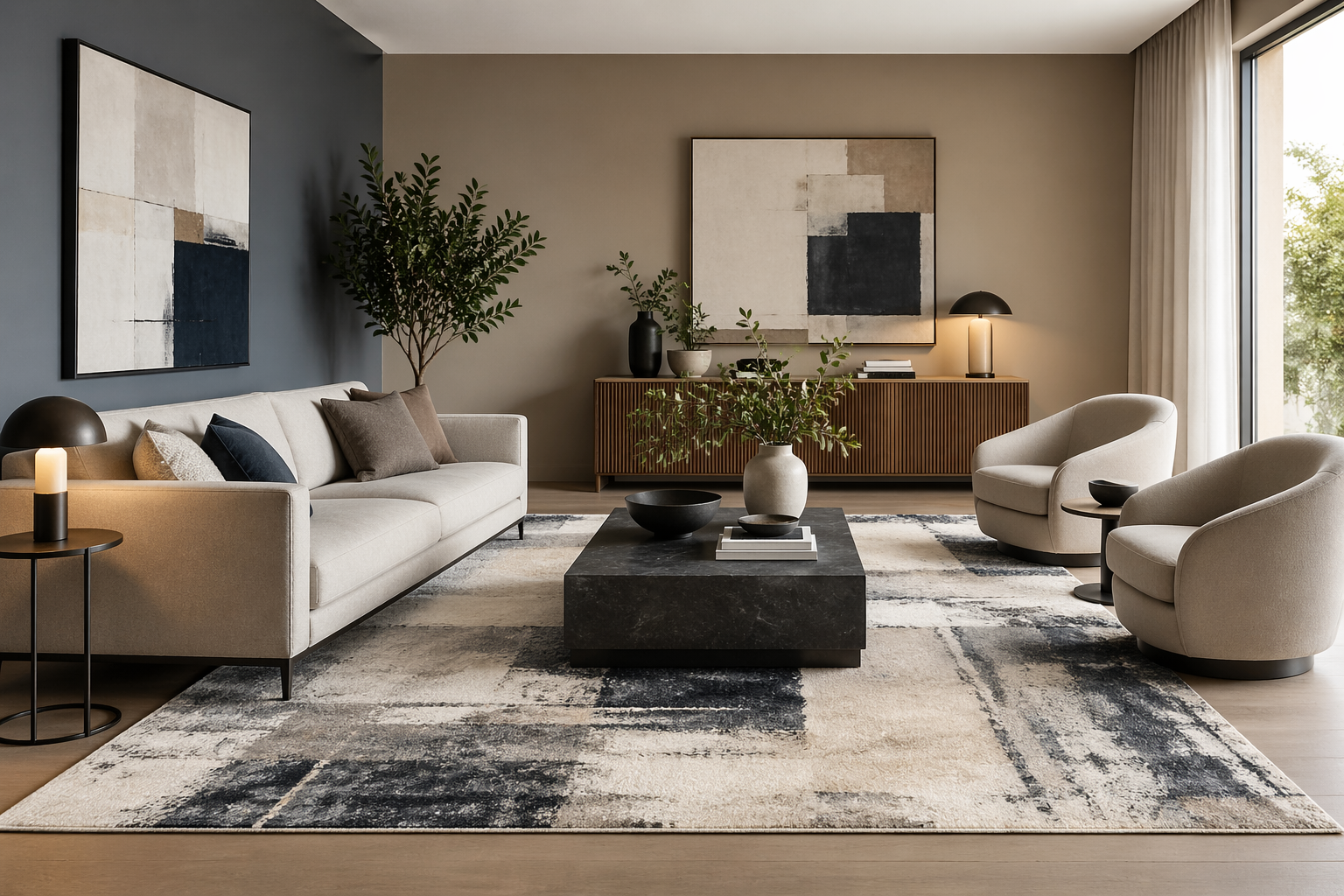
Creating a well-balanced living room design requires careful coordination between flooring elements, furniture, and coffee tables. A thoughtfully selected contemporary rug plays a central role that ties the entire space together through color, texture, and proportion. However, achieving visual harmony is not just about choosing a stylish rug, it requires understanding rug color, furniture coordination, and spatial balance. This guide explains how to coordinate a contemporary rug within a living space using practical interior design principles.
How to Choose the Right Rug Color for Your Living Room
Selecting the right rug color requires evaluating the existing design elements and defining the intended atmosphere of the space.
Identify Existing Dominant Colors: Analyze the primary tones in sofas, wall paint, flooring, and curtains to understand the room’s base palette. This ensures the modern rug complements the established color structure instead of conflicting with it.
Define the Design Mood: Decide whether the space should feel calm, vibrant, minimal, or luxurious, as this determines whether neutral, bold, or patterned rug colors are more appropriate.
Select a Base Rug Color: Choose a foundational rug color that supports the room’s dominant tones. This base color acts as the anchor for the overall design composition of the living room rug.
Incorporate Accent Shades: Ensure the rug includes subtle accent tones that reflect or complement decorative elements such as cushions, artwork, or coffee table décor.
Evaluate Lighting Conditions: Observe how natural and artificial lighting affects rug color perception, as lighting can significantly alter how a contemporary rug appears in different parts of the day.
The decision between a lighter or darker rug depends on contrast, spatial perception, and overall design goals.
Design Choice
Effect
Best Use Cases
Lighter rug than sofa
A lighter rug enhances brightness and creates a more open and airy feel in the room, especially useful in compact or low-light living spaces.
Small rooms or darker interiors needing visual expansion
Darker rug than sofa
A darker rug grounds the space and adds depth, making larger rooms feel more structured and defined.
Spacious living rooms with high ceilings or abundant light
Matching tone rug
A rug in a similar tone to the sofa creates a seamless and uniform visual flow, ideal for minimalist interiors.
Modern, monochromatic design themes
Patterned rug
A patterned modern rug adds visual interest and helps break monotony when paired with solid-colored furniture.
Neutral or simple sofa arrangements
How to Match a Rug with Coffee Tables and Decor Elements
Once the rug color and sofa pairing are defined, the next step is integrating the coffee table and décor elements.
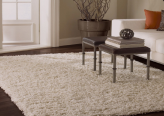
Wooden coffee tables pair best with a modern rug that either complements natural tones or introduces soft contrast.
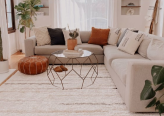
Glass coffee tables work well with patterned living room rugs, allowing the rug design to visually anchor the space.
Metal furniture pairs best with geometric or neutral contemporary rugs that balance industrial textures.
Decorative accessories should reflect at least one tone from the rug to maintain visual consistency.
Can You Mix Patterns Between Rugs and Furniture
Pattern mixing in interior design is possible when applied with balance, proportion, and controlled color usage.
Combine different pattern scales: Large-patterned rugs should be paired with smaller, subtler furniture textures to avoid visual competition and maintain hierarchy in design elements.
Maintain a consistent color palette: Even when mixing patterns, using a unified color theme ensures that the contemporary rug and furniture still feel connected and intentional.
Limit bold patterns to one dominant element: If the rug features strong geometric or abstract designs, furniture upholstery should remain relatively neutral to maintain visual clarity.
Introduce neutral balancing elements: Neutral curtains, walls, or flooring help absorb visual complexity and allow patterned combinations to feel more structured and refined.
Common Rug Matching Mistakes to Avoid
Even a high-quality living room rug can fail visually if design principles are ignored.
Selecting a rug without considering undertones: Ignoring whether sofa and wall tones are warm or cool can lead to visual mismatch and lack of cohesion in the room.
Choosing an incorrectly sized rug: A rug that is too small fails to anchor furniture properly, making the living room feel fragmented and disconnected.
Overloading patterns: Combining bold patterns in both furniture and rugs without neutral elements can create visual clutter and reduce design clarity.
Ignoring lighting conditions: Rug color perception changes significantly under different lighting, which can lead to unexpected results if not evaluated beforehand.
Failing to coordinate with flooring: The underlying floor color plays a major role in how a modern rug appears and ignoring it can weaken the overall design composition.
How Do Designers Create Perfect Rug Combinations
Professional designers use structured layering techniques to design balanced living spaces.
Designers often start with a neutral base palette and build layered accent colors through textiles, furniture, and décor elements, ensuring the contemporary rug acts as a stabilizing foundation.
Rug selection is aligned with architectural elements, such as flooring, wall paint, and natural lighting to ensure long-term visual harmony.
Texture variation is strategically used, combining soft rugs with structured furniture to create contrast without visual imbalance.
Designers also use rugs to define spatial zones in open layouts, ensuring each seating area feels distinct yet visually connected within the overall living space.
What Rug Styles Work Best with Contemporary Interiors
Different styles of living room rugs work better depending on modern interior themes.
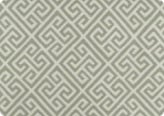
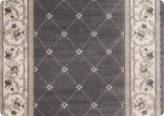
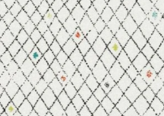
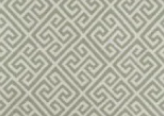
Geometric rugs: These designs introduce structure and rhythm, making them ideal for modern interiors with clean furniture lines and minimal décor.
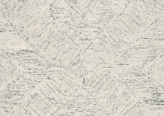
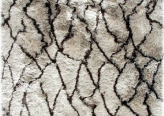
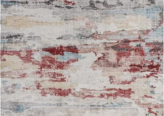
Abstract rugs: Abstract designs offer artistic depth while maintaining a subtle and refined appearance suitable for contemporary living rooms.
Solid textured rugs: Single-tone rugs with visible texture provide understated elegance while maintaining focus on furniture and architectural elements.
Linear designs: Striped or linear contemporary rug patterns enhance spatial flow and work well in narrow or elongated living rooms.
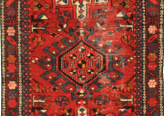
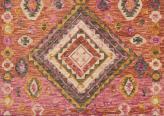
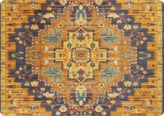
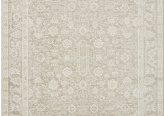
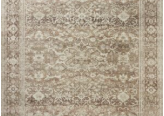
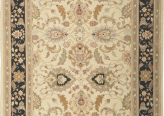
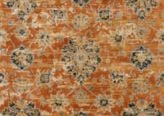
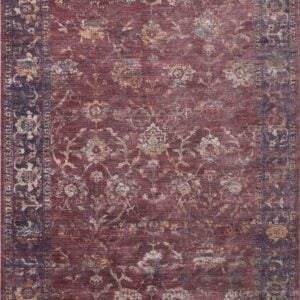
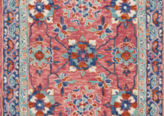
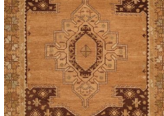
Muted hybrid patterns: Updated classic patterns in softened tones bridge traditional warmth with modern simplicity, making them versatile in mixed-style interiors.
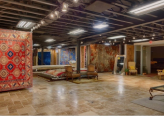
Finding the right contemporary rug becomes significantly easier with expert guidance. Rug Expo offers a wide selection of living room rugs, including neutral, patterned, and textured designs suited for a variety of interior styles. Contact the team of experts to discuss your requirement, and get the right assistance.
What size rug works best for a contemporary living room layout?
A large living room rug that fits under at least the front legs of furniture creates the most balanced layout and anchors the seating area effectively.
Do contemporary rugs work in small living rooms?
Yes, a light-colored modern rug can make small living rooms appear larger and more open.
Should all furniture legs sit on the rug?
Not necessarily. However, placing front legs of sofas and chairs on the living room rug improves visual connection.
What rug material works best for high-traffic living rooms?
Durable materials like wool blends or tightly woven synthetics are ideal for long-lasting contemporary rugs in active spaces.
About Author
Bijan
Bijan Farokhi is the owner of Rug Expo, bringing decades of expertise in fine handmade, antique, and luxury rugs. With a passion for craftsmanship and customer service, he has built one of San Diego’s most trusted destinations for premium rugs, rug cleaning, and restoration services.


















































Leave a Comment