
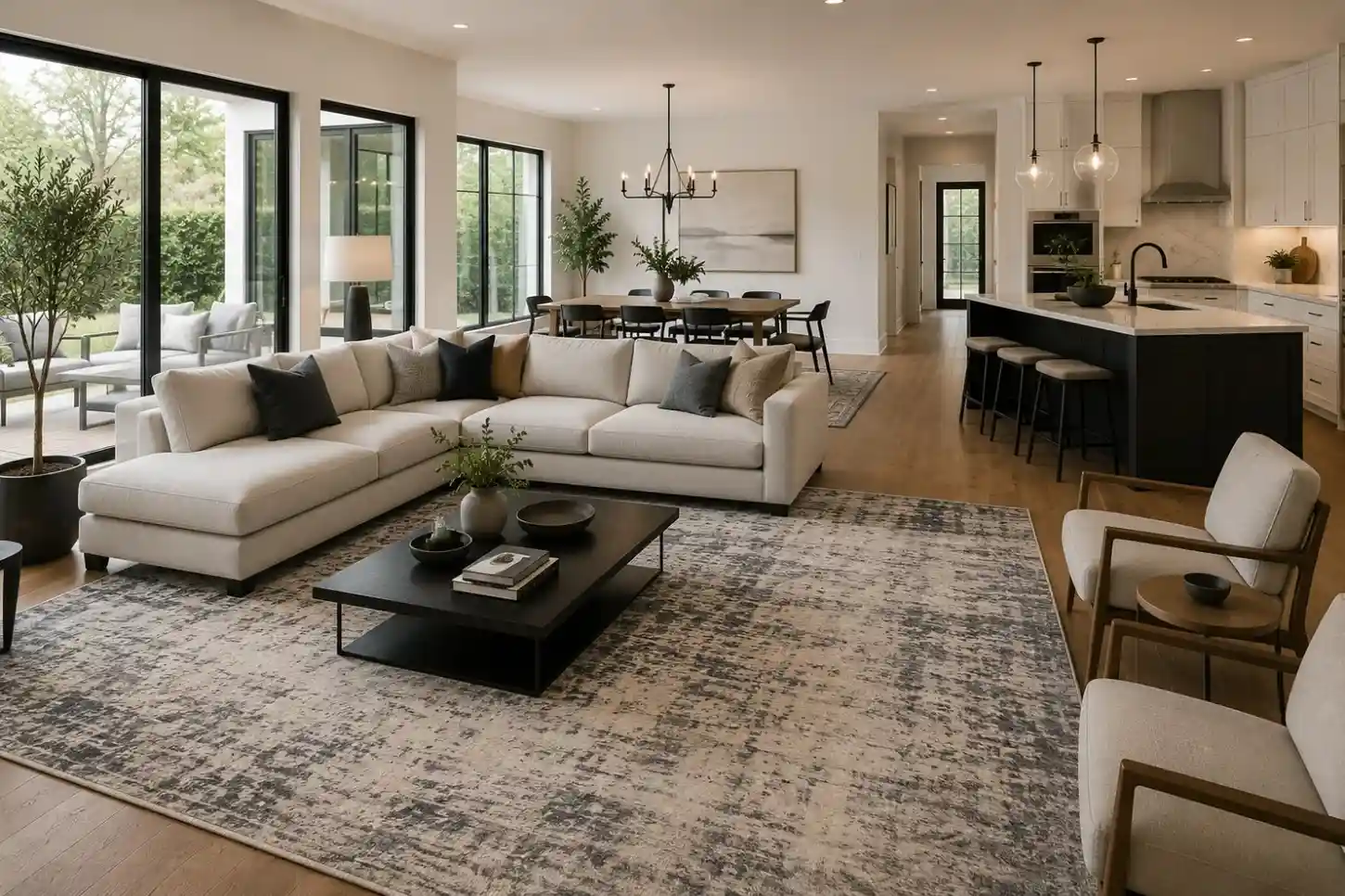
The best modern rug for an open floor plan should define individual living areas while maintaining a cohesive overall design. Choose a rug size that anchors the furniture in each zone, coordinate colors and patterns throughout the space, and select durable materials suited to each area’s level of foot traffic. Large rugs, neutral palettes, and consistent design elements create a balanced, visually connected open-concept home.
An open floor plan combines two or more living spaces, such as the living room, dining room, and kitchen, into one large, connected area with minimal interior walls. While this layout creates a bright, spacious feel, it can also make it challenging to define individual zones. Modern area rugs provide a simple yet effective way to visually separate each space while maintaining a cohesive overall design.
In an open floor plan, rugs do much more than add comfort underfoot. They help establish clear activity zones, improve acoustics by reducing noise, protect flooring, and create a sense of structure within large spaces. A well-chosen modern rug for an open floor also ties together furniture, colors, and décor, making the entire layout feel balanced and intentional.
Before selecting a rug, determine how your open floor plan will function. Common zones include:
Each zone should have its own appropriately sized rug while maintaining visual harmony throughout the space.
Selecting the correct rug size ensures that each area feels intentional rather than disconnected.
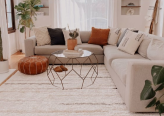
Choose an 8×10, 9×12, or 10×14 rug for living room so that at least the front legs of all seating furniture rest on the rug.
Select a dining room rug that extends 24–30 inches beyond the dining table on all sides to allow chairs to remain on the rug when pulled out.
Use a 3×5 rug or 5×8 entryway runner rug to create a welcoming transition into the home.
A 5×7 rug or 6×9 area rug provides enough coverage for desks and chairs while helping define a productive workspace.
Read our blog – Best Modern Area Rugs for High Traffic – Durable Styles That Last
| Space | Recommended Rug Size |
| Living Room | 8×10, 9×12, 10×14 |
| Dining Room | 8×10 or 9×12 |
| Bedroom | 8×10 or 9×12 |
| Entryway | 3×5 or 5×8 |
| Home Office | 5×8 or 6×9 |
| Reading Nook | 5×8 |
One Large Rug vs Multiple Rugs
Choosing between a single oversized rug and multiple coordinating rugs depends on the layout of your home.
| Feature | One Large Rug | Multiple Rugs |
| Visual Continuity | Excellent | Very Good |
| Space Definition | Good | Excellent |
| Design Flexibility | Moderate | Excellent |
| Easy to Update | Moderate | Excellent |
| Best For | Loft-style homes | Large open floor plans |
Choosing the Right Color Palette
Modern rugs for open floor concept homes benefit from rugs that create continuity without overwhelming the space.
Neutral Colors
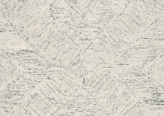
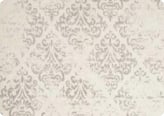
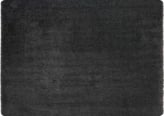
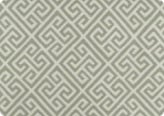
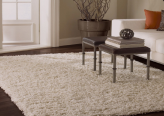
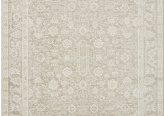
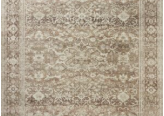
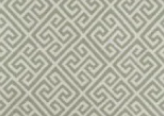
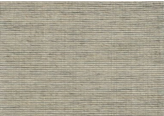
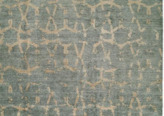
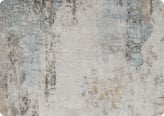
Neutral-colored rugs create a calm, timeless foundation that complements a wide range of furniture styles and décor. These shades make open floor plans feel bright, spacious, and cohesive while allowing accent pieces to stand out.
Popular Neutral Rug Colors
Bold Colors
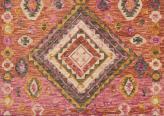
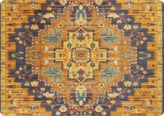
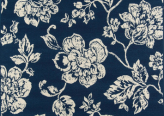
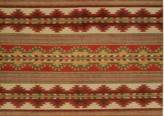
Bold-colored rugs add personality, create visual interest, and help define individual zones within an open floor plan. They work especially well as statement pieces in living rooms or dining areas without disrupting the overall flow of the space.
Popular Bold Rug Colors
Coordinating Tones
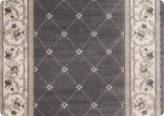
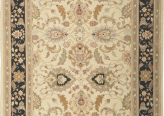
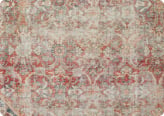
Rather than choosing identical rugs throughout your home, select complementary color palettes that create harmony while giving each space its own character. Coordinating tones help maintain a unified design across an open-concept layout.
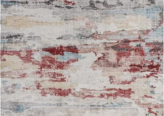
Popular Coordinating Color Combinations
Naturally durable, soft, and resilient, wool rugs are ideal for living rooms and other frequently used spaces where comfort and longevity are priorities.
Polypropylene rugs offer excellent stain resistance and easy maintenance, making them a practical option for dining rooms, kitchens, and homes with children or pets.
Polyester rugs provide a plush feel underfoot while maintaining vibrant colors, making them a great choice for family rooms and bedrooms.
Washable synthetic rugs simplify maintenance and are ideal for homes with kids, pets, or areas prone to spills.
| Feature | Low-Pile | High-Pile |
| Easy Cleaning | Excellent | Good |
| High-Traffic Areas | Excellent | Good |
| Comfort | Good | Excellent |
| Dining Room | Best | Not Recommended |
| Living Room | Excellent | Cozy Option |
Anchor sofas and chairs by placing at least the front legs on the rug to create a cohesive seating area.
Ensure the rug is large enough for dining chairs to remain on it, even when pulled out from the table.
Kitchen Rugs
Use washable runner rugs or low-pile area rugs in work zones to provide comfort while allowing for easy cleaning.
Choose durable, low-pile rugs that can withstand dirt, moisture, and frequent foot traffic.
Interior designers often recommend using rugs as “visual walls” in open floor plans. Rather than dividing the room with furniture alone, strategically placed rugs create clear zones while maintaining the spacious feel that makes open-concept homes so appealing. Selecting coordinating materials, colors, and proportions helps every area feel connected without appearing identical.
Designing an open-concept home starts with selecting rugs that fit your layout, lifestyle, and personal style. At Rug Expo, our experienced design consultants help homeowners choose modern rugs that create cohesive, functional living spaces.
Rug Expo offers:
What size modern rug is best for an open floor plan?
Most open-concept living rooms work well with 8×10, 9×12, or 10×14 rugs, depending on the room size and furniture layout.
Should all modern rugs match in an open floor plan?
No. Rugs should coordinate through complementary colors, patterns, or textures rather than being identical, creating a cohesive yet visually interesting design.
Can you use multiple rugs in one open space?
Yes. Multiple rugs are an excellent way to define separate areas such as the living room, dining room, and home office while maintaining a unified look.
What is the best rug material for an open-concept home?
Wool is ideal for premium durability and comfort, while polypropylene and washable synthetic rugs are great choices for busy households with children or pets.
Should I use a rug pad under my modern rug?
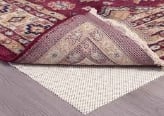
Yes. A quality rug pad helps prevent slipping, protects your flooring, extends the rug’s lifespan, and adds extra cushioning.
Does Rug Expo help homeowners choose modern rugs for open floor plans?
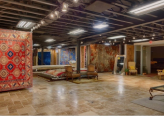
Yes. Rug Expo provides expert sizing consultations, a try-before-you-buy program, and a showroom with over 10,000 rugs, making it easier to find the perfect modern rug for any open-concept home.
Conclusion
Selecting the right modern rug for an open floor plan is about creating balance, defining functional spaces, and maintaining a cohesive design throughout your home. By choosing the right size, material, color palette, and placement, you can enhance both the style and functionality of your open-concept layout. Whether you’re furnishing a new home or refreshing your existing space, Rug Expo offers expert guidance, one of Southern California’s largest rug selections, and professional services to help you create a beautifully connected interior.









































Leave a Comment