
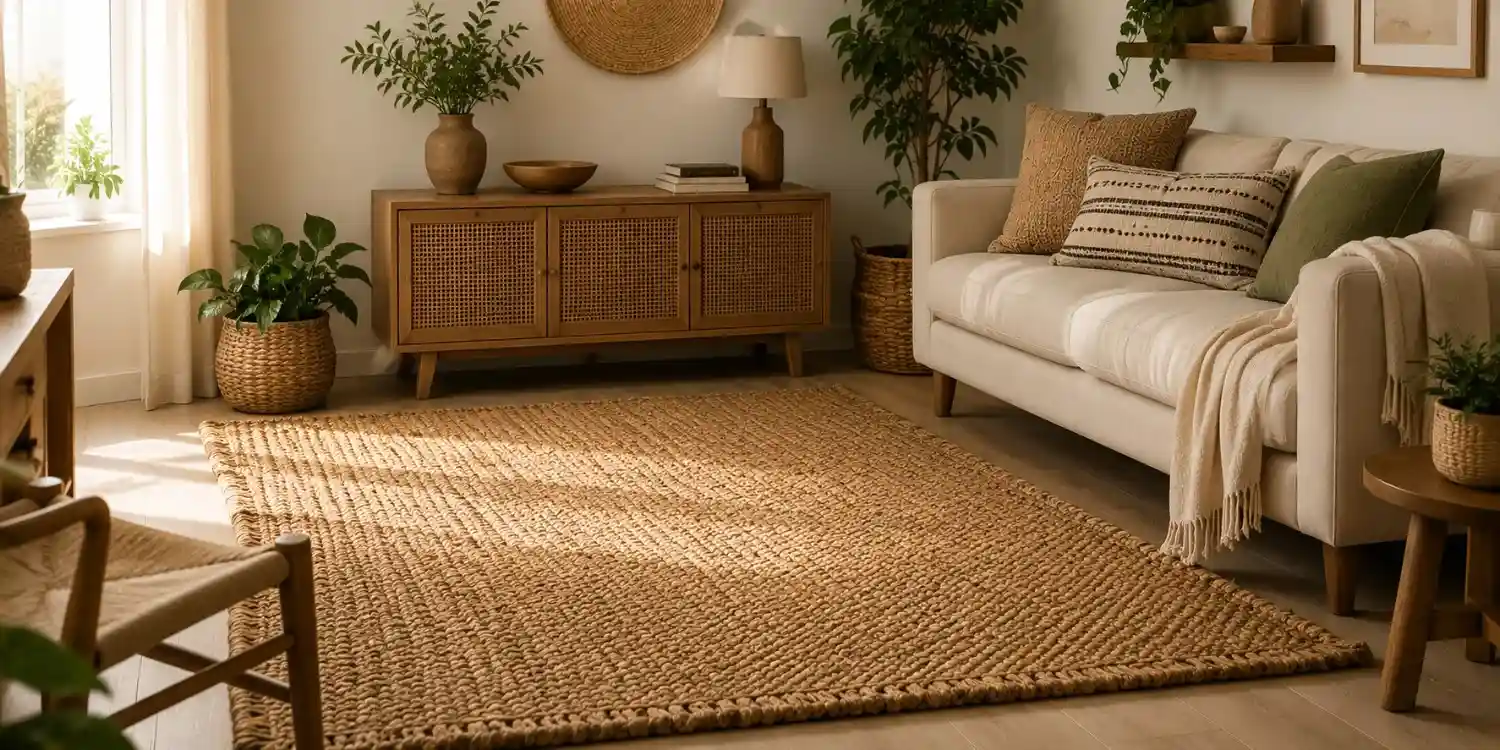
Jute rugs are durable, stylish, and eco-friendly, but they aren’t suitable for every room. Because jute is a natural fiber that absorbs moisture and stains easily, it should generally be avoided in bathrooms, laundry rooms, damp basements, and outdoor spaces. They perform best in dry, low-moisture areas like living rooms, bedrooms, home offices, and formal dining rooms where they can maintain their appearance and last for years.
Jute rugs have become a favorite among homeowners because they bring natural texture, warmth, and timeless style to almost any interior. Made from renewable plant fibers, they are an eco-friendly choice that complements modern, coastal, farmhouse, Scandinavian, and bohemian décor. In addition to their visual appeal, jute rugs are durable enough for everyday use in the right environments and pair beautifully with both neutral and colorful interiors.
Unlike synthetic rugs, jute is a natural plant fiber that is biodegradable, sustainable, and soft underfoot. However, it is also highly absorbent, which means it doesn’t perform well in damp or frequently wet areas.
Read our blog –What Is a Jute Rug
Bathrooms have constant exposure to water, steam, and humidity. Because jute fibers absorb moisture quickly, they can develop mold, mildew, unpleasant odors, and discoloration if repeatedly exposed to damp conditions.
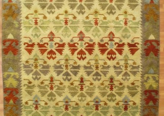
Better Alternative
The kitchen is one of the highest-risk areas for spills, grease, and food stains. Since jute is difficult to deep clean and absorbs liquids quickly, everyday cooking messes can permanently stain the fibers and shorten the rug’s lifespan.
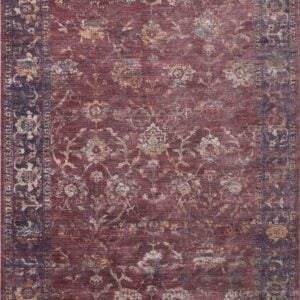
Better Alternative
Laundry rooms often experience moisture from washing machines, utility sinks, and wet clothing. Continuous exposure to humidity can weaken jute fibers over time and increase the risk of mildew.
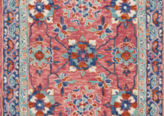
Better Alternative
Although they have a natural appearance, jute rugs are not designed for outdoor use. Rain, direct sunlight, and fluctuating weather conditions can cause the fibers to deteriorate, fade, and break down more quickly.
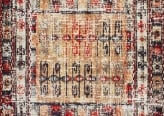
Better Alternative
Basements are often more humid than other areas of the home, making them less suitable for natural fiber rugs. Excess moisture can lead to mildew, odors, and damage to the rug over time.
Better Alternative
| Room | Recommended | Why |
| Living Room | Excellent | Dry environment and natural style |
| Bedroom | Excellent | Soft, warm, and comfortable |
| Home Office | Excellent | Low moisture and moderate traffic |
| Dining Room | Good | Works well if spills are cleaned promptly |
| Entryway | Good | Choose a durable weave and use a rug pad |
| Bathroom | Avoid | High humidity and moisture |
| Kitchen | Avoid | Food and liquid spills |
| Laundry Room | Avoid | Moisture exposure |
| Basement | Avoid | Damp conditions |
| Outdoor Patio | Avoid | Weather damage |
Choosing the right rug size ensures your rug enhances the room rather than overwhelming or underfilling it.
| Room | Recommended Rug Size |
| Small Living Room | 5’×7′ rug |
| Standard Living Room | 8’×10′ rug |
| Large Living Room | 9’×12′ rug |
| Bedroom | 8’×10′ rug or 9’×12′ rug |
| Dining Room | 8’×10′ rug or larger |
| Entryway | Runner rug (2’6″×8′ or 3’×10′) |
Pro Tip: Your dining room rug should extend at least 24–30 inches beyond the table so chairs stay on the rug when pulled out.
Choosing a rug shape that complements your furniture layout helps create a balanced and visually appealing space.
| Room Type | Best Rug Shape |
| Living Room | Rectangular |
| Bedroom | Rectangular |
| Dining Room (Round Table) | Round rug |
| Dining Room (Rectangular Table) | Rectangular |
| Entryway | Runner |
| Reading Nook | Round |
| Room | Better Rug Material |
| Bathroom | Cotton or Washable Rugs |
| Kitchen | Polypropylene |
| Outdoor Patio | Outdoor Polypropylene |
| Laundry Room | Washable Synthetic |
| Basement | Performance Fiber |
With proper care, a jute rug can last for many years.
Interior designers recommend using jute rugs in dry, well-ventilated spaces where their natural beauty can shine without exposure to excess moisture. Pairing a jute rug with a quality rug pad helps improve stability, protects flooring, and extends the rug’s lifespan. For rooms prone to spills or humidity, choosing a washable or synthetic alternative is often the more practical option.
At Rug Expo, you’ll find an extensive collection of high-quality jute rugs in a variety of sizes, shapes, weaves, and designs to suit every room in your home. Whether you’re decorating a cozy bedroom, a spacious living room, or a welcoming entryway, our experts can help you select the ideal rug based on your space, lifestyle, and décor preferences.
Avoid bathrooms, kitchens, laundry rooms, damp basements, and outdoor areas because moisture can damage natural jute fibers.
Jute rugs absorb water quickly and should not be exposed to excessive moisture, as it can lead to staining, mold, or mildew.
They are generally not recommended for kitchens due to frequent spills, grease, and food stains.
Living rooms, bedrooms, home offices, entryways, and dry dining rooms are excellent places for jute rugs.
Vacuum regularly, blot spills immediately, and avoid steam cleaning or soaking the rug with water.
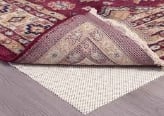
Yes. A rug pad helps prevent slipping, adds cushioning, protects your flooring, and extends the life of the rug.
Jute rugs are a stylish, sustainable, and versatile choice, but they perform best in dry indoor spaces. Avoid placing them in moisture-prone areas such as bathrooms, kitchens, laundry rooms, basements, and outdoor patios where water and humidity can shorten their lifespan. By choosing the right room, size, and shape, and with guidance from Rug Expo—you can enjoy the natural beauty of a jute rug for years while selecting alternative materials where greater moisture resistance is needed.


































Leave a Comment