

Traditional hand knotted rugs bring craftsmanship, character, and long-lasting beauty into a home. Unlike mass-produced rugs, each hand knotted piece is created by individually tying knots to a foundation, making every rug distinctive in texture, pattern, and construction.
But when shopping online, it can be difficult to know whether a rug is genuinely hand knotted, whether the materials are accurately described, and whether the retailer has the expertise to help you make an informed purchase. Knowing where to buy traditional hand knotted rugs—and what to look for before purchasing—can help you choose a rug that fits your home, lifestyle, and expectations.
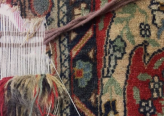
A traditional hand knotted rug is made by individually tying knots around the foundation threads of the rug. The knots are built row by row to create the pile, while the warp and weft provide the foundation that holds the structure together.
This process requires considerable time and craftsmanship. Traditional hand knotted rugs are commonly made from materials such as wool, silk, or wool-silk blends and may feature Persian, Oriental, tribal, floral, geometric, or other traditional designs.
Because they are handmade, small variations in pattern, color, texture, or dimensions can occur. These variations are often part of the character of a handmade rug rather than signs of a manufacturing defect.
A hand knotted rug is constructed by tying individual knots by hand rather than producing the pile through automated machinery. The knot structure, back of the rug, fringe, materials, and overall craftsmanship can help distinguish a hand knotted rug from other construction types.
Traditional hand knotted rugs are available through several types of sellers, but the level of expertise and product information can vary considerably.
A specialized rug showroom allows you to see, touch, and compare rugs before purchasing. You can evaluate colors under real lighting, examine the texture and construction, compare different sizes, and discuss your needs with a rug specialist.
For higher-value handmade rugs, visiting a showroom can be particularly useful because photographs do not always communicate the full texture, pile, or color variation of a rug.
Specialized online retailers can provide access to a wider selection of traditional rugs without requiring you to visit a store. Look for detailed product descriptions that identify the rug’s construction, material, dimensions, origin, condition, and care requirements.
A reputable online retailer should also provide multiple photographs and make it easy to contact someone who can answer questions about the rug.
Large marketplaces may offer thousands of rugs at different price points. However, seller expertise and product descriptions can vary significantly.
When purchasing from a general marketplace, pay particular attention to the stated construction. Terms such as “handmade,” “hand finished,” and “hand tufted” do not necessarily mean the rug is hand knotted.
Antique and estate dealers can be a useful source for vintage and antique hand knotted rugs. When buying an older rug, ask about its age, origin, condition, repairs, previous restoration, and any available provenance or appraisal documentation.
Choosing the retailer is just as important as choosing the rug. A reputable rug specialist should provide enough information for you to understand what you are buying before making a purchase.
The product description should clearly identify whether the rug is:
If the construction is unclear, ask the retailer before purchasing.
Look for specific information about the fibers used, such as wool, silk, cotton, or a blend. “Natural fiber” alone may not provide enough information to evaluate the rug.
Material affects durability, texture, maintenance, appearance, and suitability for different rooms.
The exact dimensions should be clearly listed. This is especially important when purchasing online because photographs can make a rug appear larger or smaller than it actually is.
Popular traditional rug sizes include 5×8, 6×9, 8×10, 9×12, and 10×14, while runners are commonly used in hallways, kitchens, and other narrow spaces.
Look for photographs that show more than the overall design. Ideally, product images should allow you to examine:
Detailed photographs are particularly important for vintage and antique rugs.
If a rug is vintage, antique, or previously owned, the retailer should disclose relevant condition information.
Ask whether the rug has:
Knowing the condition before purchasing helps you understand both the value and maintenance requirements of the rug.
Always review the retailer’s return policy before purchasing a rug online. Check the return period, refund conditions, shipping responsibilities, restocking fees, and requirements for returning the rug.
Identifying a hand knotted rug requires looking beyond the front design. Construction details provide important clues.
Turn the rug over and look at the construction. A hand knotted rug generally reveals the individual knot structure on the back rather than a uniform manufactured backing.
Fringe can provide clues about how a rug was constructed. On many hand knotted rugs, the fringe is connected to the foundation of the rug rather than simply being decorative material attached afterward.
Handmade rugs may contain subtle variations in pattern, knot placement, color, or shape. These differences are natural results of human craftsmanship.
Run your hand across the surface and examine the texture. Hand knotted rugs can have a distinctive pile and texture that differs from machine-made construction.
If you are buying online, do not hesitate to ask directly:
“Is this rug hand knotted, and can you provide photographs of the back and construction?”
A knowledgeable rug retailer should be able to explain how the rug was made.
For additional identification tips, see our related blog How to Identify Authentic Hand knotted Rugs?
Material selection depends on where the rug will be used and the characteristics you want from it.
Wool is one of the most popular materials for traditional hand knotted rugs. It provides a comfortable feel, good resilience, and durability for everyday spaces.
Wool rugs work particularly well in living rooms, bedrooms, dining rooms, and other areas where durability and comfort matter.
This offers a finer texture and allows artisans to create intricate designs and details. Silk rugs are generally better suited to decorative or lower-traffic areas where their delicate characteristics can be appreciated.
A wool and silk combination can balance durability with decorative detail. These rugs can provide visual depth and a refined appearance while retaining some of the practical qualities associated with wool.
Traditional rugs are available in many design traditions, colors, and patterns, making it possible to find a style that complements both classic and updated interiors.
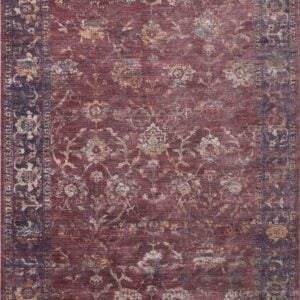
Persian rugs are known for detailed patterns, traditional borders, medallions, and floral motifs. Styles and characteristics vary by region, with names such as Tabriz and Heriz representing specific design traditions.
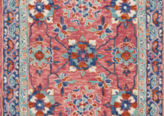
Oriental rugs can feature floral, geometric, medallion, and border designs inspired by various weaving traditions across Asia and surrounding regions.
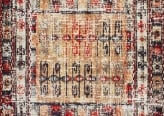
Tribal-inspired rugs often feature geometric motifs, strong borders, and distinctive color combinations. Their designs can work particularly well in casual, rustic, eclectic, and transitional interiors.
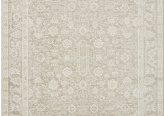
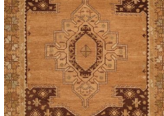
Transitional rugs combine traditional-inspired motifs with updated colors and patterns. They can be a practical choice when you want the character of traditional rug design without creating an overly formal appearance.
Understanding construction helps you compare rugs accurately before making a purchase.
| Feature | Hand knotted | Hand-Tufted | Flatweave | Machine-Made |
| Construction | Individual knots | Tufted by hand | Woven without traditional pile | Machine produced |
| Craftsmanship | High | High | High | Automated |
| Texture | Dimensional | Often plush | Low profile | Generally uniform |
| Durability | Excellent | Very Good | Very Good | Varies |
| Common Materials | Wool, silk | Wool, synthetic | Wool, cotton, blends | Synthetic and natural blends |
| Lifespan | Often long-lasting | Moderate to long | Long with proper care | Varies |
| Investment Potential | Generally higher | Moderate | Moderate | Generally lower |
Construction alone does not determine whether a rug is right for your home. Consider traffic, maintenance, room size, budget, design preferences, and expected lifespan before making your decision.
Start With the Room
Consider where the rug will be used before choosing its design and material.
Traditional hand knotted rugs can work well in:
Select the Right Size
The rug should complement your furniture arrangement rather than overwhelm or disappear within the room.
Common area rug sizes include:
Runner rugs can work well in hallways, kitchens, entryways, and other narrow spaces.
For more sizing information, see our blog Understanding Standard Rug Sizes for Homes
Choose a Suitable Color
Traditional rugs are available in a wide range of colors, including:
Choose rug colors that complement your furniture, flooring, wall colors, and overall design rather than matching every element exactly.
Consider Traffic Level
For high-traffic areas, durable wool construction can be a practical choice. More delicate materials such as silk may be better suited to decorative spaces with less foot traffic.
Use this checklist before completing your purchase:
Before purchasing a traditional hand knotted rug, ask:
These questions can help you make a more informed decision, especially when buying a higher-value handmade rug.
For shoppers in San Diego, buying from a specialized rug showroom provides an opportunity to evaluate handmade rugs beyond online photographs.
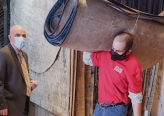
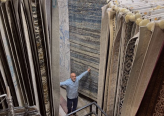
Rug Expo offers a collection of traditional and hand knotted rugs in a variety of materials, sizes, colors, and designs. Its 10,000+ rug showroom allows customers to see and compare rugs in person, examine their texture and construction, and receive guidance based on their room and lifestyle.
The collection includes traditional, Persian, Oriental, transitional, vintage-inspired, wool, and hand knotted rugs suitable for a range of interiors.
Rug Expo also provides professional services that help homeowners care for their rugs after purchase, including rug cleaning, repair, restoration, appraisal, and rug pad recommendations.
Explore Traditional Hand knotted Rugs at Rug Expo
Whether you are furnishing a living room, dining room, bedroom, hallway, or entryway, Rug Expo offers traditional rug options in different sizes, colors, materials, and designs.
Explore related collections:
Visiting a showroom can be particularly helpful when comparing handmade rugs because you can evaluate the actual color, texture, scale, and craftsmanship before making a decision.
A quality hand knotted rug can provide years of use when maintained appropriately.
Vacuum Regularly
Regular vacuuming helps remove surface dirt and debris before it becomes embedded in the fibers.
Clean Spills Promptly
Blot spills rather than aggressively rubbing the affected area. Quick attention can help prevent stains from setting.
Use an Appropriate Rug Pad
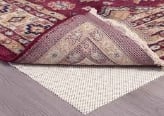
A suitable rug pad can help reduce movement, provide cushioning, protect flooring, and minimize friction between the rug and floor.
Rotate the Rug
Periodic rotation can help distribute foot traffic and sunlight exposure more evenly.
Schedule Professional Cleaning
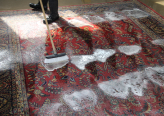
Traditional, handmade, vintage, and antique rugs may require specialized cleaning methods. Professional cleaning helps protect the fibers and construction while addressing embedded dirt.
For additional maintenance information, explore Professional Techniques for Persian Rug Maintenance
Look for a specialized rug retailer that provides detailed construction and material information, accurate dimensions, quality photographs, transparent policies, and knowledgeable customer support. A physical showroom can provide an additional opportunity to inspect the rug before purchasing.
Examine the back, knot structure, fringe, pile, and overall craftsmanship. Ask the retailer to confirm the construction and provide detailed photographs if you are shopping online.
Check the construction, material, dimensions, origin, condition, photographs, return policy, shipping terms, and care requirements before purchasing.
They can be an excellent choice for homeowners who value craftsmanship, durability, unique character, and long-term use. The value of an individual rug depends on factors such as material, craftsmanship, condition, size, design, age, and origin.
Wool is a popular choice for durability and everyday use, while silk is valued for its fine texture and intricate detail. Wool-silk blends offer a combination of characteristics from both materials.
Many traditional Persian rugs are hand knotted, but construction can vary. Always verify the specific rug’s construction rather than assuming it based solely on the style or origin.
Prices vary based on size, material, craftsmanship, knot density, age, condition, origin, and design. A reputable retailer should be able to explain the factors that influence the price.
The right size depends on the room and furniture arrangement. Common sizes include 5×8, 6×9, 8×10, and 9×12, while runners work well in hallways and narrow spaces.
Yes. Professional cleaning is often recommended for valuable, handmade, wool, silk, vintage, and antique rugs because specialized techniques can help protect their fibers and construction.
Many hand knotted rugs can be repaired or restored. The appropriate repair technique depends on the type and extent of damage, the rug’s construction, and its materials.
Hand knotted rugs are made by individually tying knots to the foundation, while hand-tufted rugs are created by pushing yarn through a foundation using a tufting tool. Their construction, texture, durability, and price can differ.
Online shopping can provide convenience and selection, while a showroom allows you to physically inspect the rug’s color, texture, scale, and craftsmanship. For valuable handmade rugs, seeing the rug in person can provide additional confidence.
Before purchasing, confirm:
Knowing where to buy traditional hand knotted rugs and what to look for can make the purchasing process much easier. Instead of choosing a rug based only on its pattern or price, evaluate its construction, material, dimensions, condition, craftsmanship, and the expertise of the retailer.
A specialized rug retailer can provide valuable guidance throughout the process, from selecting the right size and material to understanding cleaning and long-term care. For shoppers who want to inspect rugs before buying, a physical showroom also provides an advantage by allowing you to compare actual colors, textures, patterns, and craftsmanship.
At Rug Expo, customers can explore thousands of rugs in the San Diego showroom, including traditional, hand knotted, Persian, Oriental, wool, vintage, and transitional styles. With professional cleaning, repair, restoration, appraisal, and rug pad services, Rug Expo can help you care for your rug well beyond the initial purchase.
























Leave a Comment