
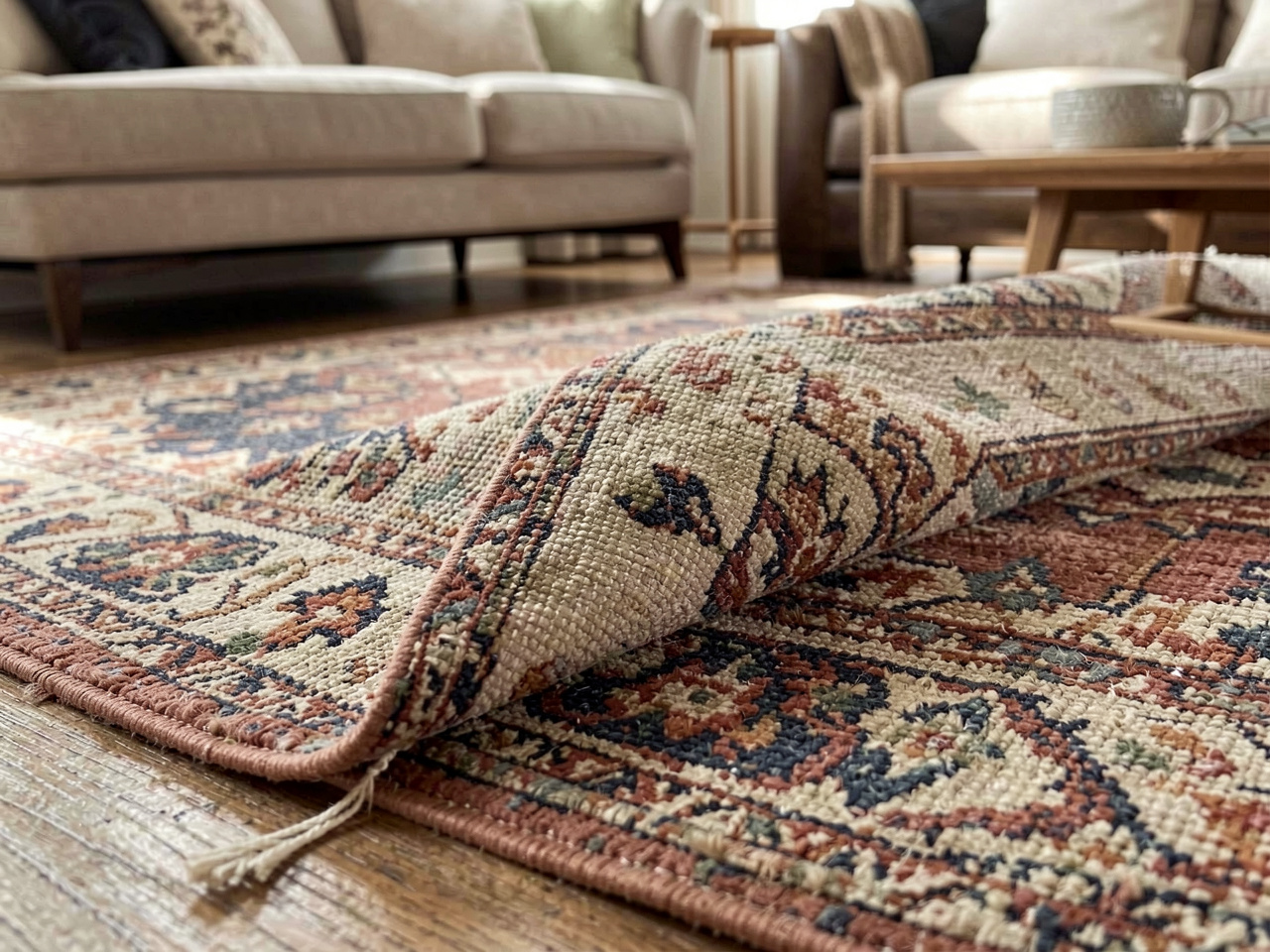
Few things are more frustrating than admiring a beautiful rug only to see its corners curling up. Not only does this make your space look unfinished, it can create a tripping hazard, especially in high-traffic areas like entryways, hallways, and living rooms.
If you’ve ever wondered how to uncurl a rug quickly and effectively, you’re not alone. Rug corners curl for many reasons, from storage and shipping to humidity and everyday use. The good news? Most curling issues can be resolved at home using simple, proven methods.
In this guide, we’ll explain why rug corners curl, how to flatten them, what to avoid, and how to prevent the problem from returning.
Before learning how to uncurl a rug, it helps to understand what causes the problem in the first place.
Common causes of curling rug corners include:
Over time, these factors cause rug fibers or backing to “remember” their rolled shape, leading to curled edges.
Curled corners aren’t just cosmetic, they can create a safety issue, especially in homes with kids, pets, or older adults. Fixing them keeps your space both beautiful and safe.
Here are the techniques that consistently work, from quick fixes to longer-lasting solutions.
This method is one of the simplest and most effective for mild curling.
Steps:
This helps relax the rug fibers and counteracts the original curl.
Best for: New area rugs or recently unrolled pieces that arrived tightly rolled.
Looking for more rug options while you troubleshoot? Check out Rugs for Sale. (Rug Expo Area Rug Store San Diego, CA)
Gravity can be your friend.
What to use:
Place the weight evenly on each curled corner and leave it for several days.
Pro tip: Place a cloth between heavy objects and the rug to prevent cloth or pile marks.
Heat helps relax rug fibers and backing, making them easier to reshape.
Safe methods include:
Warm the curled edge slowly, then flatten it with a heavy object as it cools.
Avoid high heat, especially on delicate or synthetic area rugs, it can warp or damage fibers.
Sometimes the simplest approach works best.
Steps:
This gives the backing a chance to settle into a flatter position.
For curling that keeps coming back, especially in high-traffic areas, rug tape can help.
Why it works:
Double-sided tape secures the rug edge directly to the floor, keeping corners flat and stable.
Best for: Lightweight area rugs, runners, and hall rugs.
Always use tape designed for rugs to avoid floor damage.
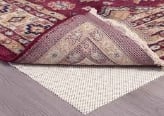
One of the best long-term solutions, a rug pad helps prevent future curling.
Benefits of a good rug pad:
Choose a pad that’s slightly smaller than your rug so it doesn’t show at the edges.
Check out our Rug Care & Services and keep your rugs flat and safe.
Steam is particularly effective for natural fiber rugs like wool, which respond well to controlled moisture and heat.
How to steam:
Steam softens fiber memory and helps reset the rug’s shape.
Avoid these common mistakes:
These can permanently damage fibers or backing.
Read our blog Complete Rug Size Guide for Every Room
The timeline varies by material and severity:
Patience is key especially with thicker, higher-quality rugs.
Once your rug is flat, prevention makes all the difference.
Tips to keep edges flat:
These habits reduce the stress that leads to curling in the first place.
If curling persists despite trying multiple methods, it might be time to consult an expert, especially for handmade, antique, or delicate rugs.
At Rug Expo San Diego, specialists can evaluate your rug and recommend safe, effective solutions tailored to its material and construction.
Consider professional help if:
Better-made rugs typically resist curling longer because they use:
Investing in quality helps minimize maintenance issues over time.
Explore durable designs at Rug Expo. Choose from across various styles to match your taste.
Curling rug corners can be annoying, but they’re almost never permanent. With the right approach and a bit of patience, your rug can lie flat again boosting both comfort and style in your home.
Knowing how to uncurl a rug not only protects your investment, but also enhances safety and makes every room feel complete.
A flat rug looks better, feels better underfoot, and creates a more polished space overall.































Leave a Comment