

Wool rug shedding is one of the most common concerns people have after bringing a new wool rug into their home. You may notice small fibers collecting on the floor, in corners, or inside your vacuum. While this can be frustrating, some shedding is completely normal for many wool rugs.
So, why do wool rugs shed? How long should it last? And when should you be concerned? Understanding wool rugs and shedding can help you care for your rug properly and recognize the difference between normal loose fibers and actual rug damage.
Wool is a natural fiber made up of individual strands. During the manufacturing and finishing process, some shorter or loose fibers can remain within the rug’s pile. Regular foot traffic and vacuuming can gradually bring these fibers to the surface.
This is why wool rug shedding fibers are often most noticeable when a rug is new.
The amount of shedding depends on several factors, including:
Shedding does not automatically mean that your rug is poorly made or damaged. In many cases, it is simply part of the rug settling into regular use.
Yes. Some wool rug shedding is normal, particularly during the first few weeks or months after purchase.
New rugs can release loose fibers as they are walked on and vacuumed. Over time, the amount of visible shedding should generally decrease.
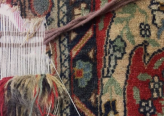
However, every rug is different. A hand-knotted wool rug, hand-tufted rug, and high-pile wool rug may have different shedding characteristics because they are constructed differently.
If shedding gradually decreases and the rug’s pile remains intact, there is usually little reason for concern.
There is no single timeline for every rug.
Many new wool rugs shed most noticeably during the first few months, with shedding gradually becoming less apparent as loose fibers are removed. Some rugs may continue to shed lightly for longer depending on their construction, wool fibers, pile, and level of use.
Instead of focusing on a specific deadline, look for a gradual reduction in shedding.
If your rug continues to shed heavily or begins developing thin or bald areas, it may be time to have it inspected by a professional rug specialist.
You may not be able to stop initial shedding completely, but proper care can help manage it.
Regular vacuuming removes loose fibers before they accumulate around your home. Use a vacuum setting appropriate for wool rugs and avoid overly aggressive agitation.
If your rug’s care instructions recommend suction-only vacuuming, avoid using a rotating brush or beater bar that can pull unnecessarily on the pile.
Wool is durable, but aggressive brushing and scrubbing can loosen fibers. For spills, follow the manufacturer’s care instructions and avoid repeatedly rubbing the affected area.
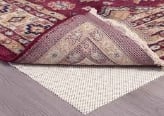
A quality rug pad helps keep your rug stable and can reduce unnecessary movement and friction. This is particularly helpful in busy areas such as living rooms, hallways, and dining spaces.
If one part of the rug receives significantly more foot traffic, rotating it periodically can help distribute wear more evenly and reduce concentrated friction.
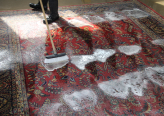
Professional cleaning can remove embedded dirt, loose fibers, and other debris while helping maintain the rug’s appearance and condition.
At Rug Expo in San Diego, professional rug cleaning is available for homeowners who want specialized care for their rugs. Because wool and handmade rugs can require different cleaning methods than standard synthetic rugs, professional evaluation can help determine the appropriate cleaning approach.
Normal shedding should generally become less noticeable over time. Excessive or unusual fiber loss deserves closer attention.
Consider having your rug professionally inspected if you notice:
There is an important difference between loose surface fibers and actual deterioration of the rug’s pile.
If you are unsure whether your wool rug shedding is normal, a rug professional can evaluate the construction and condition of the rug.
Also Read: Low Pile vs High Pile Rugs: Which Is Better?
If shedding is a major concern, you may wonder whether there are rugs that don’t shed.
No rug can necessarily be guaranteed to produce zero loose fibers, but some rug materials and constructions tend to shed less than others.
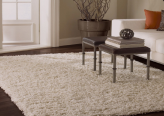
For shoppers specifically looking for non shedding area rugs, tightly constructed synthetic rugs can be an option to consider. Low-pile rugs can also be easier to maintain and may produce less noticeable surface fuzz than some high-pile or shag designs.
However, choosing a rug should involve more than shedding alone. Consider durability, material, construction, appearance, cleaning requirements, and where the rug will be used.
Yes. Fiber characteristics and construction can influence shedding.
The length and quality of wool fibers, yarn construction, pile density, and manufacturing method all affect how securely fibers are held within the rug.
That doesn’t mean a rug that sheds initially is automatically low quality. Natural wool rugs can release loose fibers during normal use even when they are well made.
The key is whether shedding decreases over time and whether the rug remains structurally sound.
For most homeowners, some initial shedding is simply part of owning a natural wool rug. Regular, gentle maintenance can help keep loose fibers under control while your rug settles into your home.
If shedding decreases over time and there are no signs of thinning or structural damage, it is generally considered part of normal rug behavior.
If you’re shopping for a wool rug or need help caring for one you already own, visiting a rug specialist can make the process easier. Rug Expo’s San Diego showroom offers an opportunity to explore rugs in person and get guidance based on your home’s style, traffic levels, and maintenance needs.
Wool rugs can shed loose or shorter fibers left over from manufacturing and finishing. Foot traffic and vacuuming bring these fibers to the surface, especially when the rug is new.
Shedding is usually most noticeable during the first few months and should gradually decrease. The exact timeline depends on the rug’s wool, construction, pile, traffic, and care.
You generally cannot eliminate initial shedding completely, but gentle regular vacuuming, avoiding excessive friction, using a rug pad, and proper maintenance can help reduce it.
Many wool rugs shed to some degree, particularly when new, but the amount varies significantly by fiber characteristics and construction.
Some low-pile and tightly constructed synthetic rugs tend to produce less noticeable shedding. If minimal shedding is important, ask a rug specialist about suitable materials and constructions.
Heavy or increasing shedding, bald spots, significant thinning, exposed backing, or fibers coming out in clumps may indicate a problem that should be evaluated by a professional.
























Leave a Comment