

Changing your rugs is a simple way to refresh your home for winter without replacing furniture or redesigning your entire space. The right rug can add warmth, introduce seasonal colors, and make living rooms and bedrooms feel more comfortable.
Learning how to swap rugs for winter also helps you coordinate your flooring with cushions, curtains, throws, and other home accessories. With a few thoughtful changes, you can create a cozy winter look while keeping your existing decor.
In this guide, we share practical winter rug styling ideas, tips for choosing colors and textures, and advice on layering, cleaning, and storing seasonal rugs.
Rugs influence how a room looks and feels. During colder months, many homeowners prefer softer textures, warmer colors, and layered fabrics that create a welcoming atmosphere.
A seasonal rug swap can help you:
You do not need to replace every rug in your home. Sometimes, rotating a rug, changing its position, or adding a suitable top layer is enough to create a fresh look.
Texture is one of the easiest ways to make a room feel more inviting during winter. Consider how a rug feels underfoot and how its surface complements your existing furniture.
Wool rugs are a popular option because wool fibers provide natural insulation and a soft feel. They can work well in living rooms, bedrooms, and other spaces where comfort matters.
Shag and high-pile rugs offer a plush appearance and a softer surface underfoot. They suit cozy seating areas and bedrooms, although they may require more maintenance than low-pile designs.
Textured flatweave rugs can provide warmth through their visual pattern without adding much height. They are worth considering in dining areas and busy spaces where chairs and furniture need to move easily.
Choose a texture that suits the room’s use, cleaning needs, and existing furnishings. A rug should feel comfortable while remaining practical for everyday life.
Winter decor does not have to mean using dark colors everywhere. The best rug color depends on your furniture, wall color, natural light, and preferred interior style.
Consider these color combinations when planning seasonal rug swaps:
Before choosing a new rug, look at the colors already present in your room. Pick one or two shades from your cushions, curtains, artwork, or furniture and look for a rug that complements them.
This approach creates a coordinated winter look without making the room feel overly themed.

A successful seasonal update connects the rug with the other textiles and accessories in the room. Instead of choosing each item separately, think about how the colors, patterns, and textures work together.
Start with your largest existing elements, such as the sofa, curtains, and wall color. Then choose a rug that complements these features.
For example, a beige sofa can work with a patterned rug in rust, navy, and cream. You can repeat one of those colors in cushions or a throw to create a consistent palette.
If your rug already has a bold pattern, choose simpler cushions and blankets. If your rug is neutral, introduce seasonal color through accessories.
You can also coordinate textures. A wool rug may pair well with knitted throws, woven baskets, and soft cushions, while a flatweave rug can balance heavier upholstered furniture.
The goal is to create visual harmony rather than make every item match exactly.
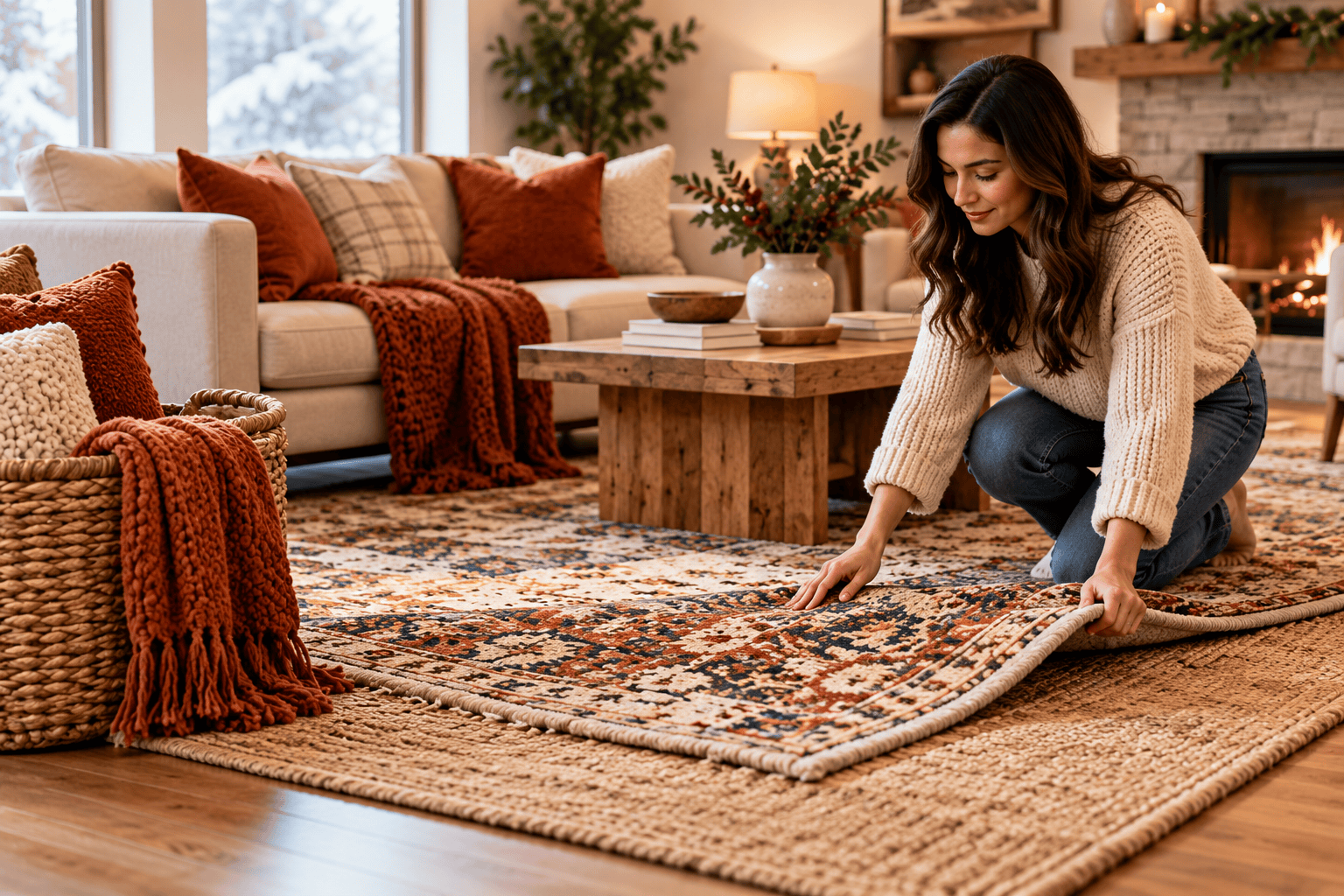
Layering rugs can add dimension and visual interest without requiring you to remove your existing floor covering. It works particularly well in living rooms, reading corners, and bedrooms.
A common approach is to place a larger, relatively simple rug underneath a smaller patterned rug.
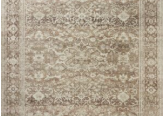
For example, a natural-fiber base rug can provide a subtle foundation for a smaller vintage-style or Persian-inspired rug. Alternatively, a neutral wool rug can support a smaller accent rug with a richer winter palette.
Keep these practical points in mind:
Layering is not suitable for every space. In high-traffic areas, a single well-sized rug may be safer and easier to maintain.
You do not need to change every rug at once. Focus on rooms where a seasonal update will make the biggest difference.
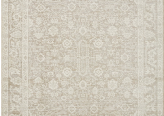
Living room: Choose a rug that anchors the seating area and complements your sofa and coffee table. Textured neutrals or traditional patterns can help create a welcoming atmosphere.
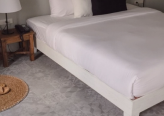
Bedroom: Consider a soft rug beside the bed or a larger design that extends beyond the bed frame. A comfortable surface can make the room feel more inviting when you get up in the morning.
Entryway: Select a durable, easy-to-clean rug that can handle frequent foot traffic. Use an appropriate rug pad to reduce slipping, especially when shoes bring in moisture or debris.
Dining room: Choose a rug large enough to accommodate the dining table and chairs, including when the chairs are pulled out. A lower-pile design is often easier to manage beneath dining furniture.
When choosing winter rugs, consider the room’s purpose first and appearance second. A beautiful rug should also work with your household’s daily routines.
Also Read: Choosing Bedroom Rugs That Feel Like Walking on a Cloud
If you are removing a rug for the season, take time to prepare it for storage. Dirt and spills left in the fibers can become harder to remove later.
Follow these basic steps:
Avoid storing rugs in damp basements or other areas where moisture can accumulate. Plastic wrapping can trap moisture if the rug is not completely dry, potentially leading to musty odors.
For silk rugs, antique rugs, and valuable hand-knotted pieces, seek specialist advice before cleaning or storing them. Their fibers, dyes, and construction may require extra care.
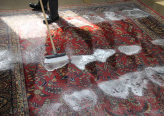
If a rug needs a deeper clean before storage, professional rug cleaning can help address accumulated dirt and stains using a method suited to the material.
Also Read: How to Store Rug Long Term: Rolling, Wrapping & Climate Control
A seasonal update should improve the room’s comfort and appearance without creating unnecessary maintenance or safety problems.
Avoid these common mistakes:
Before buying a replacement, consider whether moving or rotating your existing rug could achieve the same result. Small adjustments can sometimes refresh a room without additional purchases.
You can change your rugs when you begin updating your home’s seasonal textiles or when you want a warmer, more textured look. There is no fixed date; consider your climate, indoor comfort, and decorating preferences.
Wool rugs, plush rugs, and textured designs are popular choices for winter interiors. The best option depends on the room, foot traffic, maintenance requirements, and your preferred style.
Yes, provided both rugs are suitable for layering and remain secure. Choose compatible sizes, use an appropriate non-slip pad, and ensure the edges do not create a tripping hazard.
Clean the rug according to its care instructions, allow it to dry completely, and roll it for storage when appropriate. Use a breathable covering and keep it in a clean, dry environment.
Swapping rugs for winter is an easy way to refresh your home while making the most of your existing furniture and decor. By choosing suitable textures, coordinating colors, and considering where each rug will be used, you can create a comfortable and cohesive interior.
Before purchasing a new rug, assess what you already own and decide whether a simple rotation, a different room placement, or careful layering will achieve your desired look.
If you are exploring new styles, Rug Expo in San Diego offers a range of rugs to help you find an option that suits your space, personal taste, and everyday needs.































































Leave a Comment