
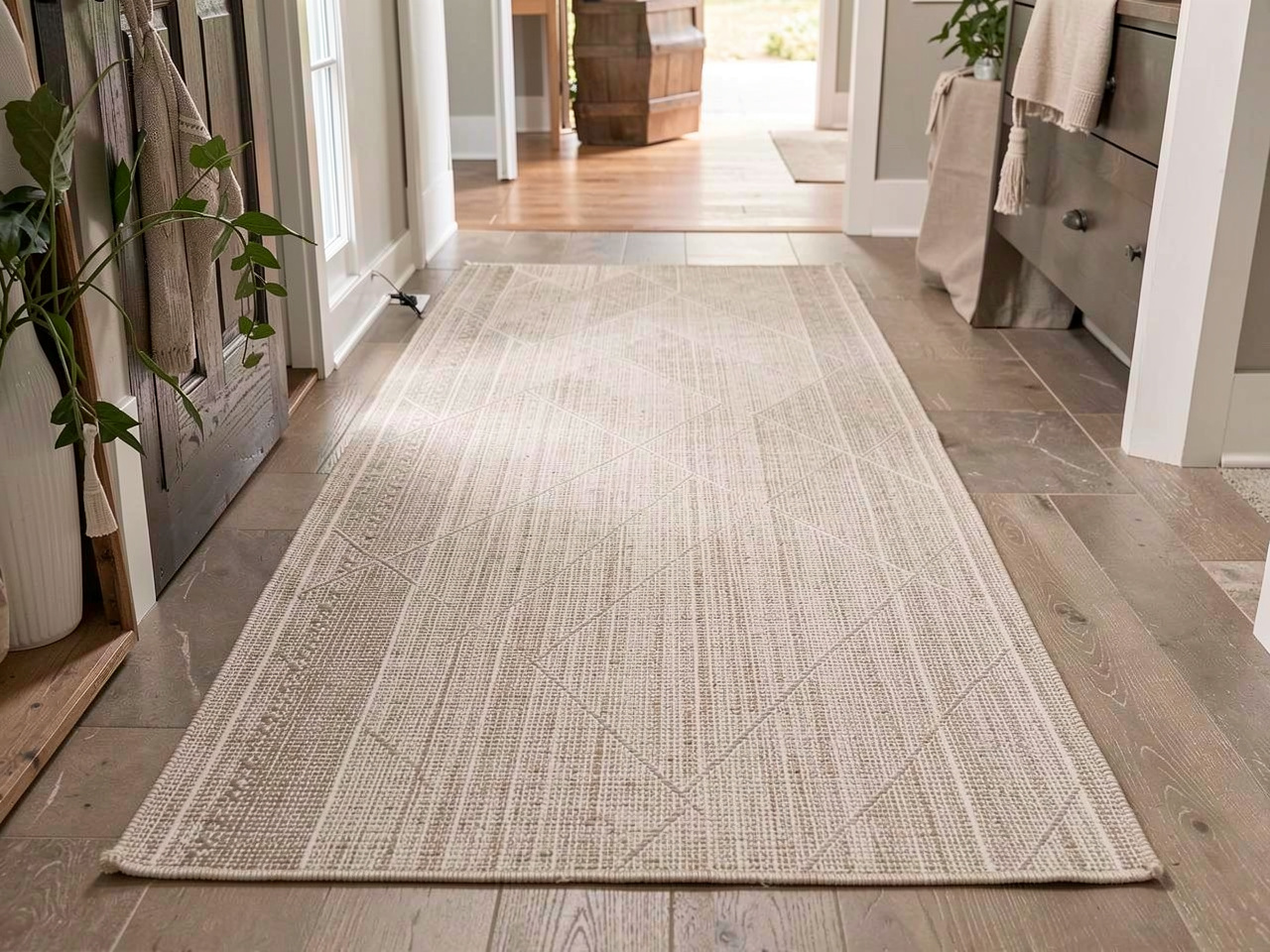
Your entryway is one of the hardest-working spaces in your home. It welcomes guests, absorbs dirt from shoes, handles wet umbrellas, and endures constant foot traffic, all while setting the tone for your interior style.
That’s why choosing the best entryway rugs isn’t just about looks. It’s about finding durable area rugs or runner rugs that resist dirt, handle moisture, and continue to look great year after year.
In this guide, you’ll learn:
Unlike rugs in living rooms or bedrooms, entryway rugs face daily wear. Shoes bring in dirt and grit, pets track mud, and moisture can weaken fibers over time.
Common challenges entryway rugs face:
Standard decorative rugs often wear out quickly in these conditions. Investing in the best entryway rugs or runner rugs helps protect your floors and prevents dirt from spreading throughout your home.
Not all rugs are built to survive an entryway. The best options share a few essential features:
Tightly woven or well-constructed rugs resist fraying, crushing, and uneven wear far better than loosely made styles.
Low-pile rugs trap less dirt, dry faster, and are easier to clean—making them ideal for busy entryways.
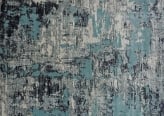
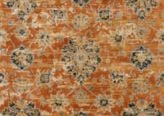
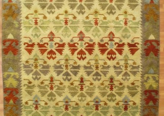
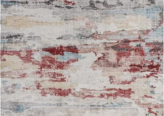
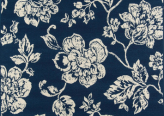
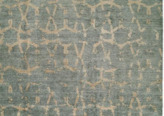
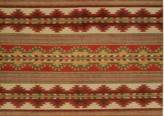
Multi-tonal patterns, textured weaves, and darker shades help disguise everyday mess and wear.
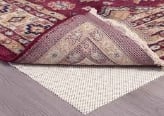
A quality rug pad adds safety, prevents shifting, and extends the life of your rug by reducing friction against the floor.
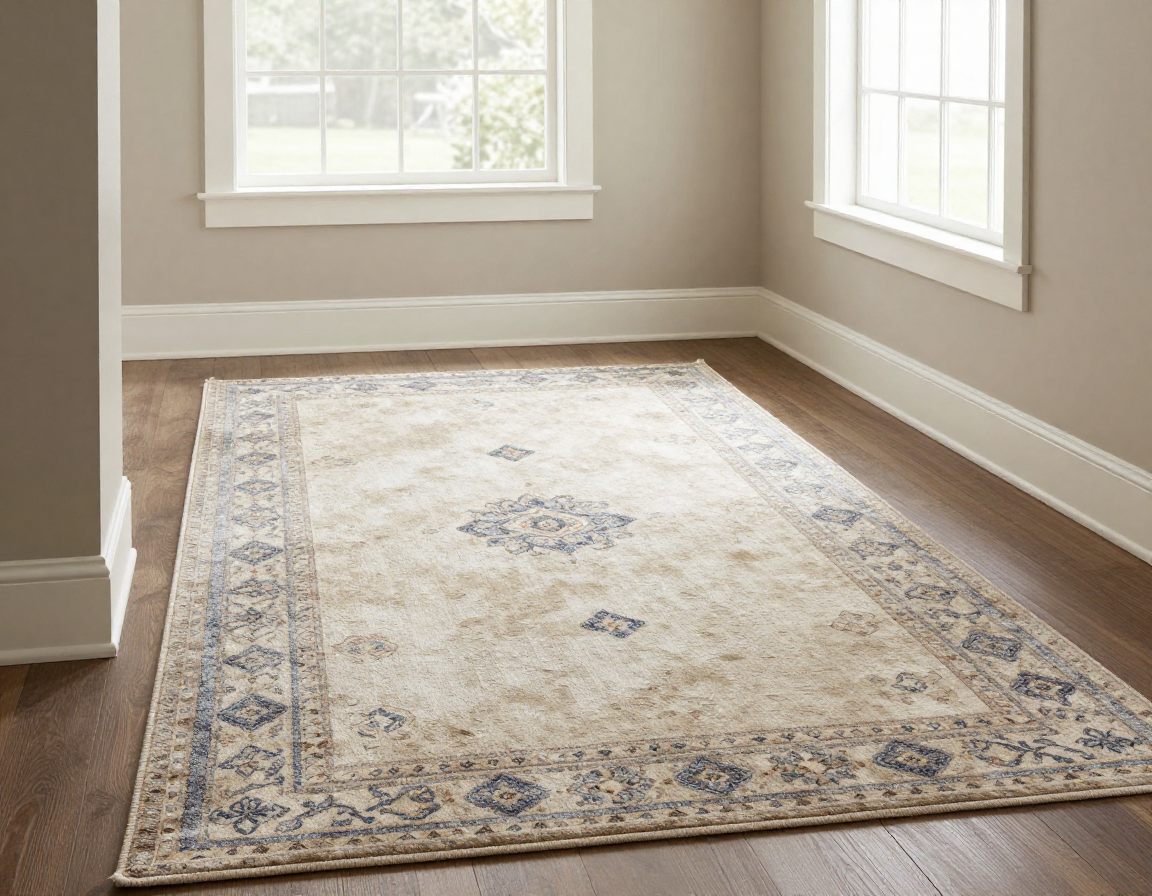
Wool Rugs
Wool is one of the most durable natural fibers used in rug making.
Why wool works well in entryways:
High-quality wool rugs are an excellent choice for main entryways where durability meets timeless design.
Modern synthetic rugs such as polypropylene or nylon are designed specifically for high-traffic environments.
Benefits include:
Synthetic Rugs are especially practical for homes with kids, pets, or frequent visitors.
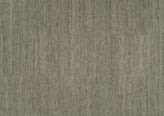
Natural fiber rugs add warmth and texture but perform best in dry or covered entryways.
Best for:
Explore textured jute and natural fiber rugs for sheltered entryways.
Area Rugs
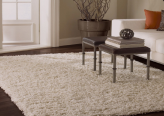
These work well in wide or open entryways where you want to make a strong visual statement. Choose a size that allows guests to take at least two steps before stepping onto hardwood or tile.
Browse durable area rugs for entryways designed for everyday use.
Runner Rugs
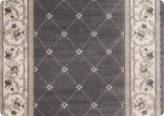
For narrow hallways and long entryways, runner rugs are ideal. They guide foot traffic, protect flooring, and visually elongate the space.
Shop runner rugs built for high-traffic entryways.
read : Handmade vs. Machine-Made Rugs: What’s the Real Difference?
Proper sizing improves both appearance and performance.
General sizing tips:
A well-sized rug looks intentional and wears more evenly over time.
Read also: Buying a Rug? Here’s How Every Rug Material Really Holds Up
Best Colors & Patterns for Hiding Dirt
Entryways don’t need to look dirty to do their job.
Top choices include:
Avoid very light solid rugs unless you’re prepared for frequent cleaning.
Even the best entryway rugs need routine care to last.
Simple habits that make a difference:
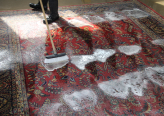
For deeper care, professional rug cleaning services can help preserve your rug’s appearance and structure.
Many homeowners rotate entryway rugs throughout the year:
This approach refreshes your décor and helps each rug last longer.
Even durable area rugs eventually show signs of wear.
It may be time to replace your rug if you notice:
Replacing or restoring a worn rug protects your floors and keeps your entryway looking polished.
A well-made rug may cost more upfront, but it saves money in the long run. Better materials, stronger construction, and proper support mean fewer replacements and better performance.
At Rug Expo, you’ll find a curated selection of area rugs and runner rugs designed specifically for high-traffic spaces, combining durability, craftsmanship, and timeless style.
Your entryway sets the tone for your entire home. Choosing the best entryway rugs ensures your space stays clean, welcoming, and stylish even with daily foot traffic.
With the right material, size, and design, an entryway rug doesn’t just welcome guests, it protects your home and lasts for years.








































Leave a Comment