
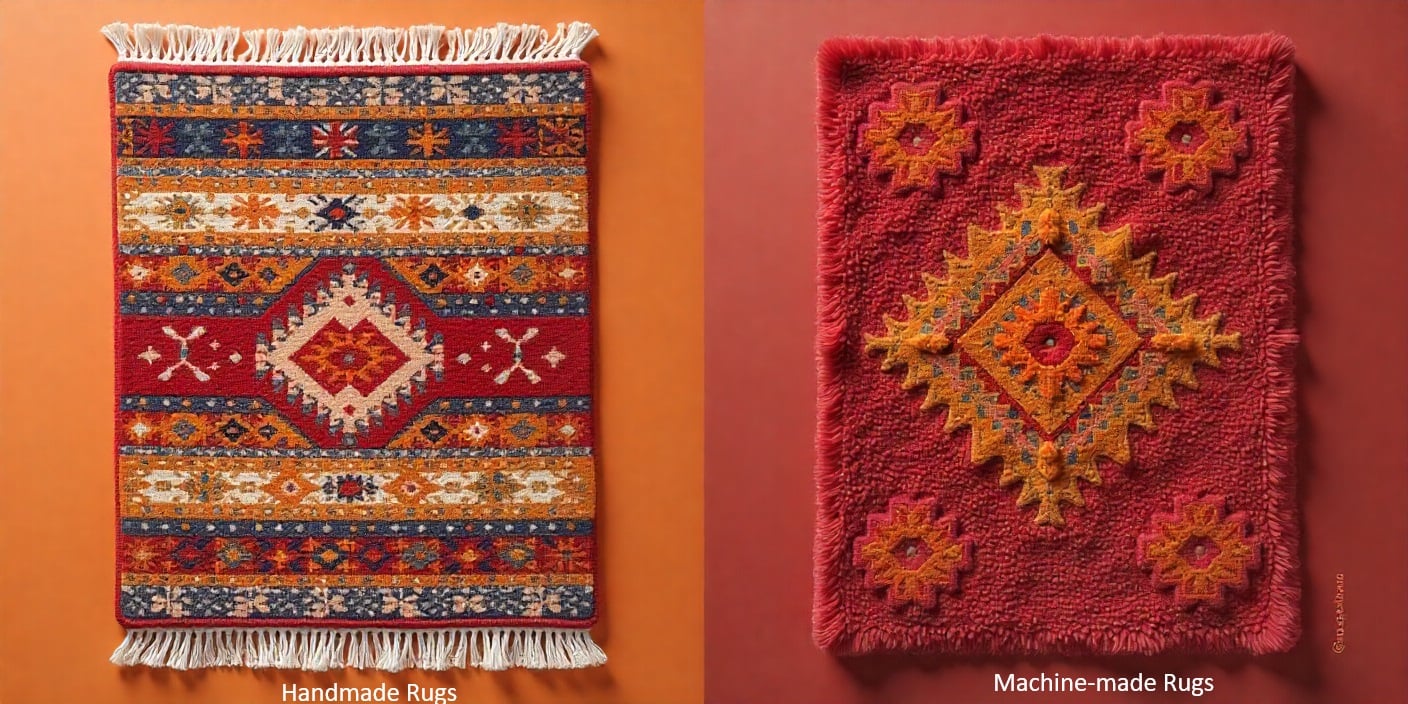
When shopping for area rugs, one of the most common questions buyers face is whether to choose handmade rugs or machine-made rugs. At first glance, the difference may appear to be about price or appearance alone, but the reality is more nuanced. Construction methods, materials, durability, maintenance, and long-term value all play a role in determining which rug type is right for a particular space. Understanding how handmade rugs differ from machine-made rugs helps buyers set realistic expectations and select products that align with their lifestyle, budget, and usage needs. This post breaks down the real differences in a clear, practical way to support informed rug buying decisions.
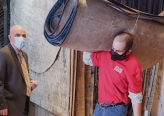
Here’s how rugs are made:
The following pointers will help you decode the key differences between handmade and machine-woven area rugs.
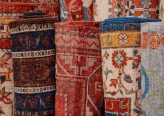
Artisanal rugs are commonly made from natural fibers such as wool, cotton, or silk. These materials offer breathability, natural insulation, and a softer feel underfoot. Many traditional Oriental rugs also use natural dyes, which can result in subtle color variations.
Power-loomed rugs typically use synthetic fibers such as polypropylene, nylon, or polyester. These materials are engineered for durability, stain resistance, and color consistency. While synthetic fibers may lack the organic texture of natural materials, they are often easier to maintain and more cost-effective for high-traffic area rugs.
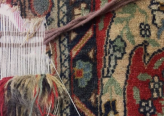
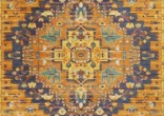
Handwoven rugs reflect the skill and experience of the artisan who created them. Small variations in knot size, pattern alignment, or color are common and are considered characteristics of hand craftsmanship rather than flaws. This individuality is especially evident in traditional Oriental rugs, where motifs and patterns are shaped by cultural traditions.
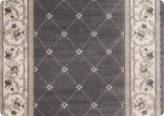
Power loomed rugs offer precision and uniformity. Designs are digitally programmed and replicated exactly across multiple rugs. This consistency can be beneficial when coordinating area rugs across multiple rooms or matching specific design requirements.
Durability is a major consideration when comparing hand-woven rugs and machine-made rugs. Hand-knotted rugs are known for their structural strength, as the knots form part of the rug’s foundation. With proper care, these rugs can last for decades and often age gracefully.
Machine-woven rugs are designed for moderate durability and everyday use. While modern manufacturing techniques have improved their performance, the backing and fibers may wear down over time. Once significant wear occurs, repair options are usually limited compared to handmade rugs.
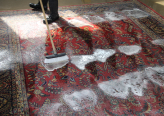
Maintenance needs differ significantly between handmade rugs and machine-woven rugs. Artisanal rugs benefit from regular vacuuming and occasional professional cleaning to preserve natural fibers and dyes. Proper care helps extend their lifespan and maintain structural integrity.
Machine made rugs are generally easier to maintain. Many are designed to resist stains and moisture, making them suitable for busy households or commercial environments. For buyers prioritizing convenience, factory-made area rugs often require less specialized care.
Price is often the deciding factor for many buyers. Artisanal rugs typically come with a higher upfront cost due to the time, skill, and materials involved in their production. However, their durability and repairability can translate into long-term value.
Machine-made rugs are more affordable and accessible, making them a practical choice for budget-conscious buyers or short-term needs. While they may not retain value over time, they make replacement easier when styles or requirements change.
From a sustainability perspective, handmade rugs often use renewable materials and support artisan communities. The longer lifespan of these rugs can also reduce replacement frequency, thereby contributing to a lower long-term environmental impact.
Machine made rugs are produced through industrial processes that consume more energy and rely heavily on synthetic materials. While some manufacturers are adopting recycled fibers, factory-made rugs generally have shorter life cycles than handmade alternatives.
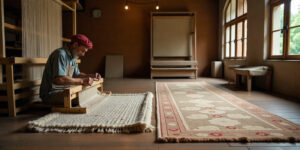
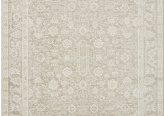
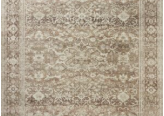
Handmade Area Rugs
Distinguishing between hand-woven rugs and machine-made rugs becomes easier with a few practical checks. First, you can check the label and product description, as they help identify materials, country of origin, and construction methods. Price can be an indicator as well, as exceptionally low prices often point to machine production rather than handcrafted work.
For a more detailed guide with expert tips on identifying authentic handmade rugs, check out Rug Expo’s blog on How to Identify Authentic Hand-Knotted Rugs.
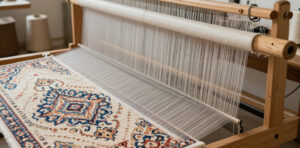
Read our blog : Best Entryway Rugs That Resist Dirt & Last Longer
Evaluating the following factors can help clarify whether a handwoven or a factory-made rug better suits your needs.
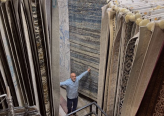
Choosing the right rug often benefits from seeing and feeling it in person. At Rug Expo, customers can explore a wide selection of handmade rugs and factory-made area rugs in various styles, materials, and constructions. Visiting the store allows you to compare textures, understand craftsmanship differences, and receive guidance based on your space and usage needs. Visit the Rug Expo store in San Diego to view quality rugs up close and make a confident, informed choice with expert assistance.
































Leave a Comment