

Living in a smaller space doesn’t mean sacrificing style or comfort. In fact, the right rug can completely transform a compact room, making it feel larger, brighter, and more inviting. When chosen thoughtfully, small rugs and well-placed area rugs don’t shrink a space, they visually expand it.
Whether you’re styling a cozy apartment, a compact living room, or a smaller bedroom, this guide will show you how to use rugs like a design pro to create the illusion of space while elevating your home’s overall look.
Yes. A properly sized rug can make a small room appear larger by visually connecting furniture, defining functional spaces, and creating a more open layout. Interior designers often recommend using a larger rug with furniture partially placed on it, along with light colors and simple patterns to maximize the feeling of space.
Many homeowners assume rugs make a room feel smaller. In reality, the opposite is often true. The right room rugs help define areas, anchor furniture, and create visual continuity, three key elements that make a space feel open and balanced.
Rugs can:
· Visually extend floor space
· Create structure without walls
· Add depth and dimension
· Draw the eye outward, making rooms appear larger
According to Houzz interior design survey, over 60% of designers use rugs specifically to define space and improve Visual flow in smaller rooms
The secret? Size, color, pattern, and placement, all working together.
| Room | Best Rug Size |
|---|---|
| Studio Apartment | 5×7 |
| Small Living Room | 6×9 |
| Bedroom | 5×7 |
| Dining Area | 6×9 |
| Entryway | Runner |
One of the biggest mistakes in small spaces is choosing a rug that’s too small or placing it awkwardly.
Go Bigger Than You Think
Counterintuitive, but true: a slightly larger area rug often makes a room feel more expansive than a tiny rug floating in the center. When furniture sits partially on the rug, the space reads as one cohesive zone instead of fragmented pieces.
Avoid “Floating” Rugs
Rugs that don’t connect to furniture can make a room feel disconnected. Even in small rooms, aim to place at least the front legs of key furniture pieces on the rug.
Color plays a powerful role in how we perceive space.
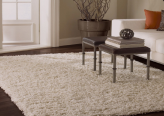
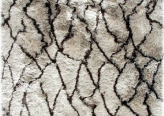
· Light neutrals like ivory, beige, and soft gray reflect light and open up rooms
· Subtle pastels add personality without overwhelming the space
· Very dark tones can feel heavy unless balanced with light walls and furnishings
When it comes to small rugs, lighter shades almost always make rooms feel more airy and open.
Patterns aren’t off-limits in small spaces, you just need to be selective.
Low-Contrast Patterns
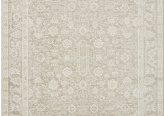
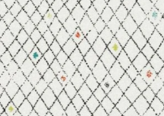
Tone-on-tone or gently textured designs add interest without visual clutter.
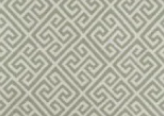
Linear & Geometric Designs
Stripes or geometric patterns can visually stretch a room, especially when aligned with the longest wall.
Skip Overly Busy Prints
High-contrast or oversized patterns can overwhelm a compact space and make it feel crowded instead of cozy.
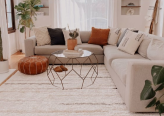
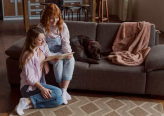
In smaller living areas, the right living room rugs can dramatically improve flow and scale.
Best Practices:
· Choose a rug large enough for the front legs of sofas and chairs.
· Stick to low-pile or flatweave styles for a streamlined look.
· Use lighter colors to reflect natural light.
A well-chosen rug anchors the seating area while keeping the room visually open.
Bedrooms should feel calm and spacious, even when square footage is limited.
How to Style Bedroom Rugs
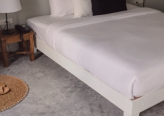
· Place a rug under the lower two-thirds of the bed.
· Choose soft textures that add warmth without bulk.
· Light or neutral tones work best for bedroom rugs in small rooms.
Prefer flexibility? Two smaller rugs on either side of the bed add symmetry and comfort without overpowering the space.
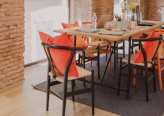
A thoughtfully chosen dining room rug can make a compact dining area feel intentional and bigger.
Key Tips:
· Choose a rug that extends beyond the table and chairs.
· Go for low-pile or flatweave rugs for easy chair movement.
· Patterns that hide stains are both practical and stylish.
Even in small dining spaces, a rug defines the area and adds visual depth.
The shape of your rug can significantly influence how spacious a room feels. Choosing a rug that complements the room’s layout helps create better visual flow and makes compact spaces appear larger.
Rectangular rugs are the most versatile option and work well in living rooms, bedrooms, and dining areas. They naturally follow the shape of most rooms and help create a balanced layout.
Round rugs soften sharp corners and are ideal for small reading nooks, breakfast areas, nurseries, or rooms with round furniture. They create the illusion of more open floor space by breaking up straight lines.
Runner rugs are perfect for narrow hallways, kitchens, entryways, and apartment corridors. Their elongated shape draws the eye forward, making tight spaces appear longer and more spacious.
Oval rugs provide a softer alternative to rectangular rugs and work beautifully beneath small dining tables or in compact sitting areas where a less formal look is desired.
| Room | Recommended Rug Shape |
|---|---|
| Living Room | Rectangular |
| Bedroom | Rectangular |
| Dining Room | Rectangular or Round |
| Hallway | Runner |
| Entryway | Runner or Round |
| Reading Nook | Round |
| Home Office | Rectangular |
Designer Tip: In most small rooms, rectangular rugs create the cleanest visual lines, while round rugs help soften tight layouts and make compact spaces feel more inviting.
The material of your rug affects not only its appearance but also its durability, maintenance, and comfort. Choosing the right material helps keep small spaces looking clean, bright, and inviting.
Wool rugs are naturally durable, stain-resistant, and soft underfoot. They work well in living rooms and bedrooms where comfort and longevity are important.
Cotton rugs are lightweight, affordable, and easy to clean, making them an excellent choice for bedrooms, apartments, and casual living spaces.
Polypropylene rugs are highly stain-resistant, moisture-resistant, and easy to maintain. They’re ideal for apartments, homes with children or pets, and high-traffic areas.
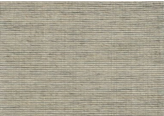
Natural fiber rugs such as jute and sisal add texture and warmth while maintaining a light, airy appearance. They are well suited for dining rooms, entryways, and minimalist interiors but should be protected from excessive moisture.
Synthetic rugs made from polyester or nylon offer excellent durability and are available in a wide range of colors and styles. They’re a practical option for busy households looking for easy maintenance.
| Material | Best For | Durability | Maintenance |
|---|---|---|---|
| Wool | Living Rooms | ★★★★★ | Moderate |
| Cotton | Bedrooms | ★★★☆☆ | Easy |
| Polypropylene | Apartments | ★★★★☆ | Easy |
| Jute | Dining Rooms | ★★★★☆ | Moderate |
| Sisal | Entryways | ★★★★★ | Moderate |
| Polyester | Family Rooms | ★★★★☆ | Easy |
Expert Tip: For small spaces, low-pile wool or polypropylene rugs are often the best choice. They are durable, easy to maintain, and create a clean, streamlined appearance that helps rooms feel larger and less cluttered.
Layering is a smart, designer-approved move for small spaces.
Start with a neutral base area rug, then layer a smaller, textured rug on top. This adds dimension without overwhelming the room and lets you introduce color or pattern subtly.
Done right, layered small rugs make a space feel curated, not cramped.
To make a room feel larger, your rug should complement not compete with your furniture.
· Echo furniture finishes or upholstery accents in the rug.
· Avoid drastic contrast between the rug and flooring.
· Let the rug act as a visual bridge between furniture pieces.
This cohesion helps the eye move smoothly across the room, enhancing the sense of space.
In open layouts, rugs define zones without walls.
Use coordinating room rugs to separate living, dining, and seating areas while maintaining a consistent color palette throughout. The result? Structure without sacrificing openness.
Read our blog : How to Layer Rugs: Design Tips for Depth & Comfort
Avoid these common pitfalls:
· Choosing rugs that are too small.
· Overly dark or busy patterns.
· Thick, high-pile rugs that add visual weight.
· Rugs placed without connecting to furniture.
Steering clear of these mistakes ensures your rugs expand your space instead of shrinking it.
When chosen thoughtfully, rugs do more than decorate, they transform how a room feels. At Rug Expo, our curated selection of area rugs, living room rugs, bedroom rugs, and dining room rug options makes it easy to find the perfect fit for small spaces.
With expert guidance and quality craftsmanship, even the smallest room can feel stylish, comfortable, and intentional.
Small spaces have incredible design potential. With the right rug size, color, and placement, you can make any room feel open, balanced, and beautifully put together.
The perfect rug doesn’t just fill a room, it expands it. Explore Rug Exposd’s rug collection and find a rug that makes your space feel bigger, brighter, and better.







































Leave a Comment