

Living with allergies isn’t just about sneezing in the spring. Dust, pet dander, and other airborne particles can make your home less comfortable, and rugs can collect some of these allergens over time. Hypoallergenic rugs are designed to minimize allergen buildup through features such as low-pile construction, tightly woven fibers, and easy-to-clean materials. They can be a practical choice for households looking to create a more allergy-friendly home.
This article explains what makes a rug hypoallergenic, which rug materials are better suited to allergy-prone homes, what features to look for, and how to maintain them. If you’re shopping for hypoallergenic area rugs in San Diego or online, these tips can help you choose an option that is easier to clean and maintain.
A hypoallergenic rug is designed to reduce the accumulation of common allergens such as dust, pet dander, and other particles. Features such as low-pile fibers, tight construction, and easy-to-clean materials can make a rug easier to maintain in an allergy-prone home.
For people searching for the best rug for allergies, the goal should be a rug that is easy to vacuum, does not easily trap debris, and can be cleaned regularly without damaging the fibers.
One of the biggest benefits of hypoallergenic area rugs is that many are designed to be easier to clean and maintain. Low-pile and tightly woven rugs can make it easier to remove dust, pet hair, and other particles during regular vacuuming.
Choosing an allergy-friendly rug can make regular cleaning easier, but a rug alone cannot prevent allergies. Keeping the rug clean and dry is equally important for managing dust and moisture.
If you’ve got carpets or rugs, chances are they’re full of stuff you don’t want to think about. Dust mites, pet dander, mold spores, and other tiny bits hide in thick rugs and are hard to get rid of.
Low-pile and tightly woven rugs can make it harder for dust and debris to become deeply embedded and easier to remove through regular vacuuming. However, no rug is completely allergen-free, so consistent cleaning remains important.
Pairing a hypoallergenic rug with a regular Cleaning rug routine or a good Rug cleaning service in San Diego can help keep your space feeling and smelling better, especially if you’ve got pets or live in a dusty area. It’s a reliable solution for anyone looking for rugs for allergy sufferers that also match their decor.

Not all rugs are built the same. Choosing one that’s actually helpful for allergies means paying attention to the materials, the way it’s made, and where you put it in your home.
Here’s how to figure out what’s right for you.
The material your rug is made from matters, but construction and maintenance are just as important. For allergy-prone homes, consider easy-to-clean materials such as polyester, polypropylene, or nylon, particularly when paired with a low-pile or tightly woven construction.
Wool can also be an option for some homes, but its suitability depends on the rug’s construction, maintenance requirements, and individual sensitivities.
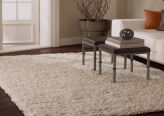
If you prefer natural fibers, tightly woven cotton and other easy-to-maintain constructions may be worth considering. In general, avoid very deep or shaggy piles if your priority is easy allergen removal because longer fibers can make vacuuming and cleaning more difficult.
We’ve got a great selection of these kinds of materials at Rug Expo, including some clean, simple Oriental Rugs that fit the bill perfectly.
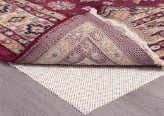
Low-pile rugs are often a practical choice for allergy-prone spaces because their shorter fibers make regular vacuuming easier. Look for tightly woven construction, smooth surfaces, washable options where appropriate, and backing that does not retain moisture.
When shopping, you can also look for relevant indoor-air-quality or textile certifications, depending on the product. Check each certification individually to understand what it tests for, as a certification does not necessarily mean that a rug is completely allergen-free.
Rugs like this pair nicely with air purifiers and a strong Cleaning rug routine, creating a cleaner home overall. These are ideal rugs for allergy sufferers because they work with your cleaning habits instead of against them.
Where you place a rug matters too. In allergy-prone areas such as bedrooms and living rooms, choose a size and design that leaves enough accessible floor space for regular cleaning. Smaller or low-pile rugs can also be easier to vacuum and maintain.
In high-traffic zones like hallways or entryways, go with something washable and durable. And in wet areas like bathrooms or kitchens, skip the rug altogether, too much risk for mold.
Even the best Hypoallergenic Rugs can’t work miracles if they’re placed somewhere that’s hard to clean or always damp. Strategically placing rugs for allergy sufferers in drier, easier-to-clean spaces gives you more control over allergens.

There’s real science behind how Hypoallergenic Rugs help keep your home healthier. It comes down to the fibers, how the rug is built, and whether it releases chemicals into the air. This stuff might sound technical, but knowing the basics can help you make better choices.
Let’s look at what’s really going on beneath your feet.
A tightly woven, low-pile rug can make routine cleaning easier. Compared with deep or shaggy piles, shorter fibers provide fewer areas for dust, pet hair, and debris to become deeply embedded and can be easier to vacuum thoroughly.
Some rug materials and finishes may have properties that affect static and dust attraction, but static resistance should not be treated as the primary indicator of a hypoallergenic rug. Focus first on pile height, construction, material, and ease of cleaning.
Keeping up with a solid cleaning rug plan is the cherry on top. Clean rugs last longer and help keep the air in your home clear. This makes them a great investment for rugs for allergy sufferers who need long-term results.
Some certifications to keep an eye out for:
At Rug Expo, even some of our hand-woven Persian Rugs meet these standards, proof that traditional designs and modern comfort can go hand-in-hand.
Choosing a hypoallergenic rug is only the first step. Regular vacuuming and appropriate deep cleaning are essential for reducing dust, pet dander, and other allergen buildup. Even rugs marketed as “allergy free rugs” still require routine maintenance.
We’ll explore some easy DIY methods, when it’s time to call the pros, and how often you should be giving your rug some TLC.
Vacuum regularly using a HEPA filter or effective particulate filtration system, particularly if your household is sensitive to dust. Avoid heavily fragranced powders and sprays if they irritate you.
Spot-clean according to the rug manufacturer’s care instructions. Avoid assuming that vinegar, baking soda, or machine washing is suitable for every rug material. For washable rugs, use a suitable fragrance-free or hypoallergenic detergent when recommended by the manufacturer.
Remember, the goal is to keep the rug clean without leaving any chemical residue behind.
Sometimes, you just gotta let the pros handle it, especially if your rug is expensive or delicate.
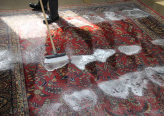
Hiring a Rug cleaning service in San Diego ensures you get deep cleaning without harsh chemicals. We offer gentle, effective cleanings that preserve your rug’s lifespan and allergy-friendliness.
Whether you’ve got synthetic runners or heirloom wool blends, we know how to clean without ruining the good stuff.
Vacuum rugs at least weekly, and consider more frequent cleaning in homes with pets, children, or heavy foot traffic. Deep cleaning can be scheduled every 6–12 months depending on the rug material, placement, traffic, and household needs. Always follow the manufacturer’s care instructions.
If you’re dealing with constant allergy flare-ups, you might need to increase frequency. Don’t forget the rest of the room, either, curtains, vents, and upholstery all play a part. But with consistent care, your Hypoallergenic Rugs can keep you breathing easier all year.

Let’s talk about comparisons. When it comes to allergies, the type of rug you choose can make all the difference. While traditional rugs are popular for their cozy feel, Hypoallergenic Rugs stand out when it comes to air quality and cleanliness.
Traditional rugs are available in many different pile heights and materials, so allergy performance depends on the specific rug rather than whether it is simply labeled “traditional.” Deep or shaggy piles can be more difficult to vacuum thoroughly, while low-pile and tightly woven rugs are generally easier to maintain.
Hypoallergenic rugs are typically selected for features that make allergen management easier, such as low-pile construction, tightly woven fibers, easy-to-clean materials, and appropriate moisture resistance.
Pair that with a consistent Rug cleaning service in San Diego like ours, and your home becomes way more allergy-friendly.
There’s a myth that hypoallergenic means fragile. Not true. These rugs often hold up better because they’re made to be cleaned more frequently. Plus, since they resist dirt and moisture better, they last longer before looking worn out.
And when things do go wrong, a tear, loose fringe, or pet accident, our Rug Repair Service can help restore it without affecting the hypoallergenic benefits.
Looking for allergy-friendly rugs doesn’t have to be a hassle. Whether you’re shopping in person or online, there are ways to make sure you find something safe and stylish.
If you’re shopping for hypoallergenic rugs in San Diego, Rug Expo offers a range of rug styles, sizes, materials, and constructions for different rooms and preferences. When comparing options, consider pile height, material, cleaning requirements, and how frequently the rug will be used.
You can even find options in our Clearance Rugs section. Just because it’s discounted doesn’t mean it can’t be good for your allergies.
If you’re browsing online, use filters to narrow down by material, weave, or certifications. Still unsure? Chat or call, many sites, including ours, have real people ready to answer questions.
A smart shopper always checks the fine print, material, backing type, and cleaning instructions. These details tell you whether the rug will be easy to care for or a dust magnet.
Look for materials and constructions that are easy to clean and suitable for your household.
Shorter, tighter fibers can make regular vacuuming and allergen removal easier.
Check the manufacturer’s specifications and understand what each certification covers.
Always check the manufacturer’s cleaning and care instructions before purchasing.
Consider the material, pile height, backing, placement, and how easily you can clean the rug.
We go over these questions with our customers every day. It’s part of what makes the shopping experience at Rug Expo easier and more reassuring.

Rugs are just one piece of the puzzle. Let’s talk about how to turn your space into an allergy-safe haven.
Use an air purifier with a HEPA filter in areas with rugs. Vacuum the rug and surrounding floors regularly, ideally once or twice a week. Clean furniture, curtains, and baseboards to prevent allergen buildup.
And don’t forget to lean on a good Rug cleaning service in San Diego when deep cleaning time rolls around. A clean rug means cleaner air.
Skip heavy drapes. Go with washable curtains or blinds. Pick furniture that’s easy to wipe down. And avoid clutter that collects dust.
And if pet stains or spills sneak up on you, our Rug Pet Stain Removal Service can save the day without using harsh chemicals.
If you’re going to invest in a better rug, make sure it gets proper care. Not every cleaner knows how to handle Hypoallergenic Rugs.
At Rug Expo, we know that cleaning for allergy-sensitive customers means being careful with every product and process. No heavy scents, no harsh cleaners, no soggy rugs.
And if your rug has value beyond its price tag, we also offer an in-house Rug Appraisal Service so you know exactly what you’re working with.
Ask if they use fragrance-free and chemical-free cleaning. Ask how they dry rugs. Ask if they’ve worked with allergy-safe rugs before.
A good cleaner will walk you through their process. They’ll treat your rug like it matters, because it does. If you’re working with someone like us, that’s the standard.
Allergies can make your home feel uncomfortable, but it doesn’t have to be that way. With the right choices, you can turn your space into a place where you breathe easy and live well.
Hypoallergenic rugs can be a practical choice for allergy-prone homes, especially when you choose a low-pile, easy-to-clean rug and maintain it regularly. They aren’t completely allergen-free, but the right material, construction, placement, and cleaning routine can help reduce allergen buildup.
If you’re looking for hypoallergenic area rugs or the best rug for allergies, consider your household’s specific needs, rug material, pile height, cleaning requirements, and room placement before making a decision. At Rug Expo, we can help you compare options for your home in San Diego.
Your home should feel good. And it can be one clean rug at a time.












































Leave a Comment