

Rugs are often long-term additions to a home, chosen for both comfort and appearance. Over time, homeowners look for ways to enhance their interiors without replacing foundational elements, and layering rugs is one such approach. When done correctly, layering rugs adds depth, warmth, and visual structure to a room while allowing existing rugs to be used more effectively. However, successful rug layering depends on choosing the right materials, sizes, and placements. Without proper planning, layered rugs can feel cluttered or impractical. This guide explains how to layer rugs in a balanced and functional way, helping you achieve comfort and design cohesion while protecting your investment.
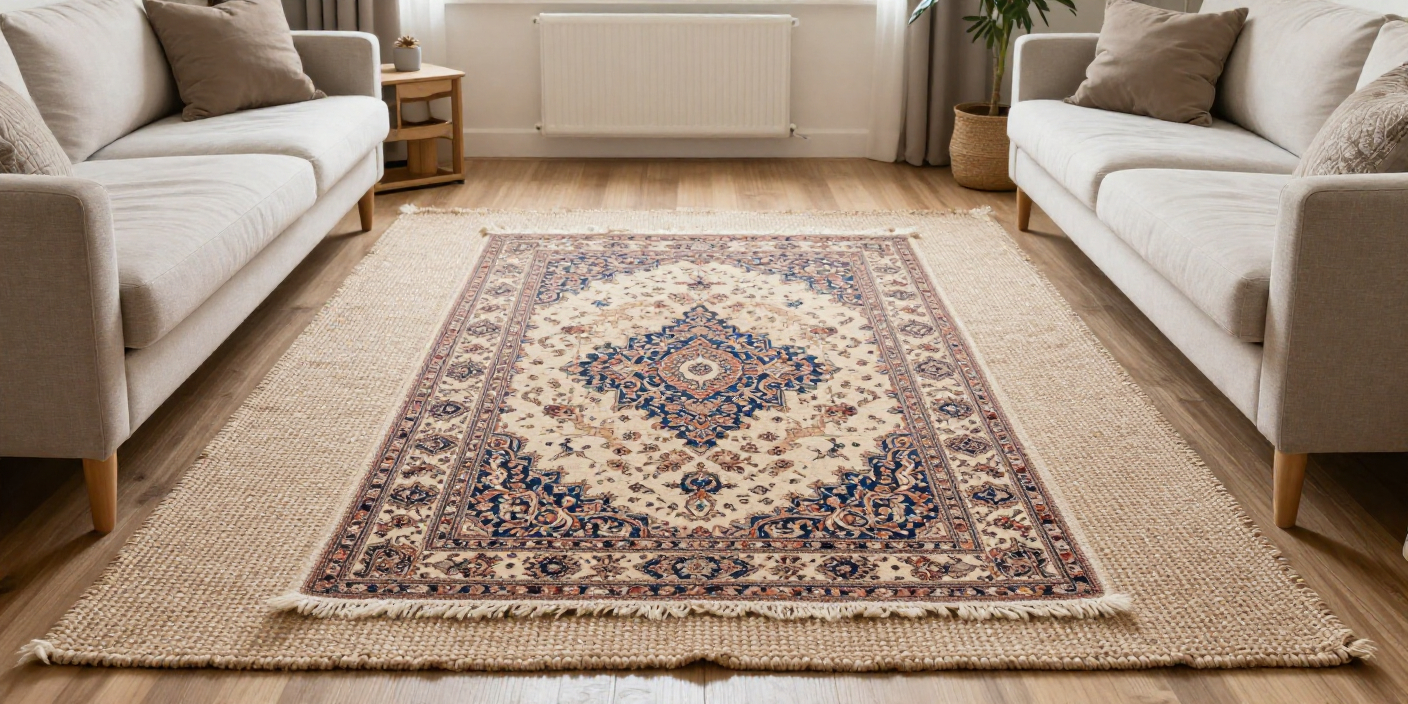
A layered arrangement typically includes a larger base rug that anchors the furniture and a smaller top rug that introduces pattern or texture. This approach allows homeowners to combine different rug styles and materials while improving comfort underfoot.
The base rug serves as the foundation of any layered arrangement and should be selected with durability and proportion in mind.
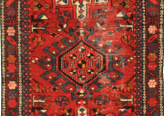
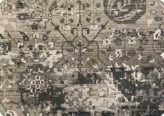
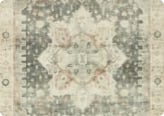
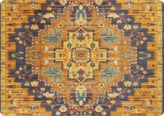
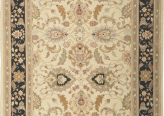
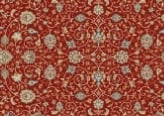
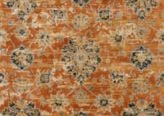
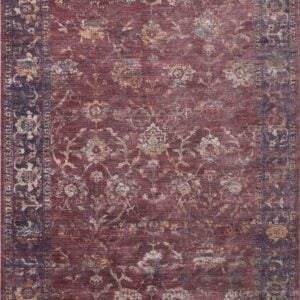
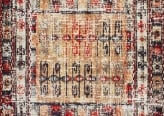
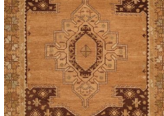
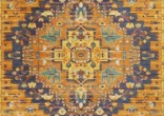
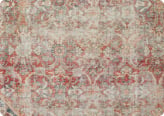
The top rug is the focal point of the layered composition and offers an opportunity to introduce pattern, color, and character. This layer should contrast with the base rug rather than blend into it. Oriental & Persian area rugs are often chosen as top layers for their detailed patterns and time-honored designs. When placed over a neutral base, these rugs add depth without overwhelming the space. Their visual richness helps break up large areas and creates a sense of warmth and refinement.
Material selection plays a significant role in both comfort and longevity. Layering allows designers to combine different fibers to achieve a balance between structure and softness. Pairing wool area rugs with natural fiber bases such as jute is a practical and popular choice. Wool provides cushioning and warmth, making it ideal for living rooms, bedrooms, and seating areas. At the same time, its resilience allows it to maintain its appearance even with regular use.
Successful rug layering relies on visual harmony. Color, pattern, and scale should work together rather than compete for attention. A neutral base rug allows for greater flexibility when choosing a patterned top rug. When both rugs feature patterns, one should remain subtle while the other should carry visual weight. This approach prevents the layered look from becoming visually overwhelming.Scale is equally important. Large patterns work best in spacious rooms, while smaller motifs are better suited to compact areas. Coordinating colors, rather than matching them exactly, helps maintain cohesion across layers.
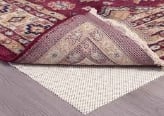
Design should always support daily use. Rug pads are essential when layering rugs, as they provide grip, reduce movement, and protect both rugs and flooring. Proper padding also enhances comfort and extends the life of each rug. Furniture placement helps secure layered rugs, especially in high-traffic areas. Ensuring that at least part of the furniture rests on the layered rugs minimizes shifting and keeps the arrangement in place.
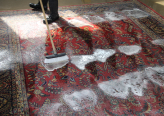
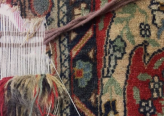
Layered rugs often involve different materials, each with specific care requirements. Planning for rug cleaning is an important part of the design process. Jute rugs should be kept dry and vacuumed regularly, while wool rugs benefit from routine maintenance and occasional professional cleaning. Oriental & Persian area rugs often require specialized care to preserve their fibers, dyes, and craftsmanship. Rotating rugs periodically ensures even wear and helps maintain their appearance over time.
Here are some common rug layering mistakes that most people make:
read our blog : Best Rugs for Small Spaces (That Actually Make Rooms Look Bigger)
Proper cleaning and maintenance are essential to preserving the appearance, comfort, and longevity of layered rugs, especially when different materials are involved. The following tips outline simple, effective ways to care for layered rugs over time.
Elevate Your Space with Layered Rugs Today
Discover the perfect combination of style, texture, and comfort by exploring a curated selection of Oriental & Persian area rugs, Jute rugs, and Wool rugs at Rug Expo. Start layering today to transform your room with depth and elegance. Visit our showroom or browse online to find rugs that inspire your next design statement.
























Leave a Comment